Jim O’Callaghan defends communications strategy during fuel protests
By Cillian Sherlock, Press Association
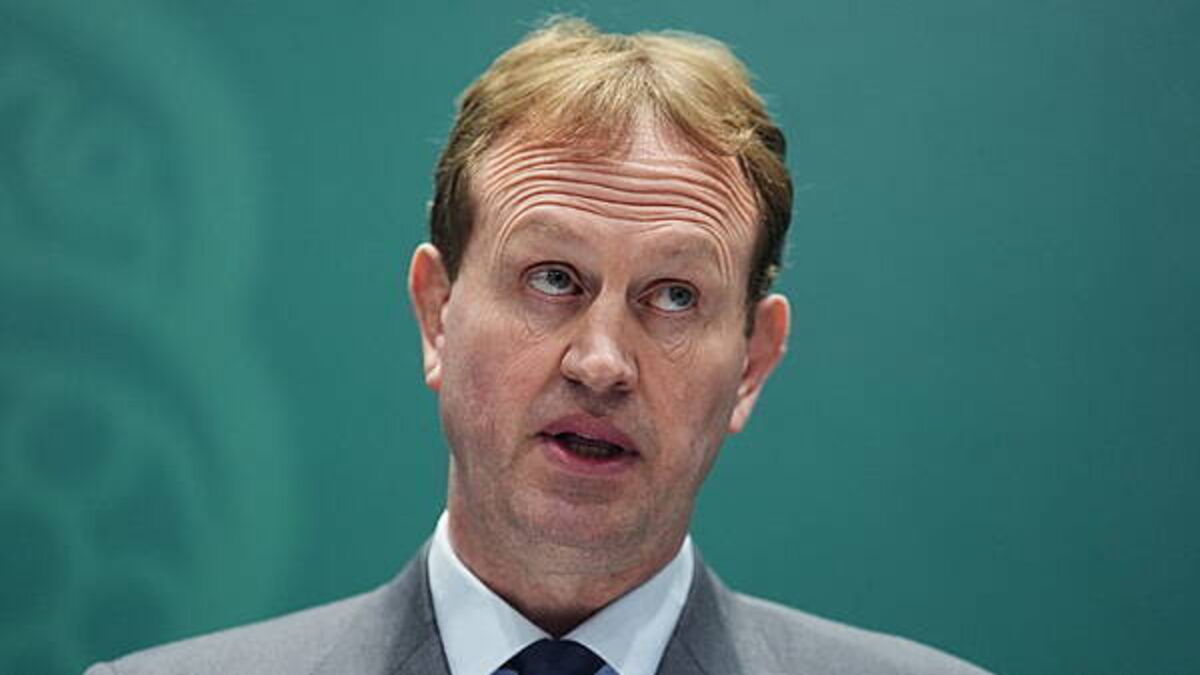
The Justice Minister has said he has no regrets about his communications strategy during nationwide fuel protests.
O’Callaghan was criticised for announcing that the Defence Forces would be called in to respond to the protests, which had strangled fuel distribution around the country through major blockades of critical infrastructure.
He issued a press release on a Thursday morning stating that the assistance of the Defence Forces had been requested, warning owners to move vehicles immediately and not to complain if they were damaged during their removal.
O’Callaghan announced the measure before the formal request to the Defence Forces had been submitted by An Garda Síochána.
Hours afterwards, the Defence Forces were described as being “on standby” to assist.

Two days later, a Defence Forces heavy-lift recovery truck was present when gardaí cleared the blockade at Whitegate oil refinery – but was not used.
The following day, a Defence Forces truck was filmed driving through a makeshift barrier at a similar protest at Galway docks.
After the protests, Social Democrats TD Gary Gannon said the original announcement had been a “failure” which led to an “entrenchment” of the position of blockaders.
The party’s deputy leader Cian O’Callaghan accused the minister of deciding to “fan the flames” – and joined Labour’s Ged Nash in comparing the Fianna Fáil TD to “Rambo”, while Independent Ireland TD Ken O’Flynn said “Big Jim, James Bond himself” had announced he was turning “the army on our own citizens”.
Defence Minister Helen McEntee also said “things at a senior level can be improved” when asked whether O’Callaghan had informed her that gardaí would be requesting the army’s help to remove blockades.
Asked on Wednesday if he regretted his communications strategy around the protests, the minister said: “No.”

He added: “I sometimes think if I hadn’t announced it as I did, I could face very legitimate questions from you when the Army did go in on Saturday morning: ‘Why didn’t you announce this, who knew about this, why wasn’t there communication from the Minister for Justice who knew this was happening?’.
“I think it’s unfair to criticise the minister for being transparent and to say what actually happened.
“It was certainly the case that the gardaí had requested assistance from the Army in respect of large trucks to remove them.”
Pressed on whether he could have waited until the formal request had been made, he said: “The form, I understand, was sent at 9:30am. I made an announcement 8am so like the process was in hand.
“There were discussions within senior levels of government on the Wednesday evening and the Thursday morning.
“And I think it’s important as a minister – particularly when I have political responsibility for An Garda Síochána – that I be transparent about important issues that the gardai are doing.”

Meanwhile, O’Callaghan said a process of consequences for fuel protesters was “ongoing”.
During the protests, he said those engaged in blockades would face legal consequences.
At the time, he said their licences and insurance coverage would be affected.
Asked for an update on this response to the protests, O’Callaghan said: “Obviously what wasn’t apparent at the time is that there were consequences for people who illegally park their trucks or their vehicles, and that’s a process that’s ongoing.
“The same way as if any of us parked a vehicle in the middle of O’Connell Street and didn’t move it – should we get tickets in respect of that?”