Catherine Connolly orders legal examination of Government’s draft asylum laws
By Grainne Ni Aodha, Press Association
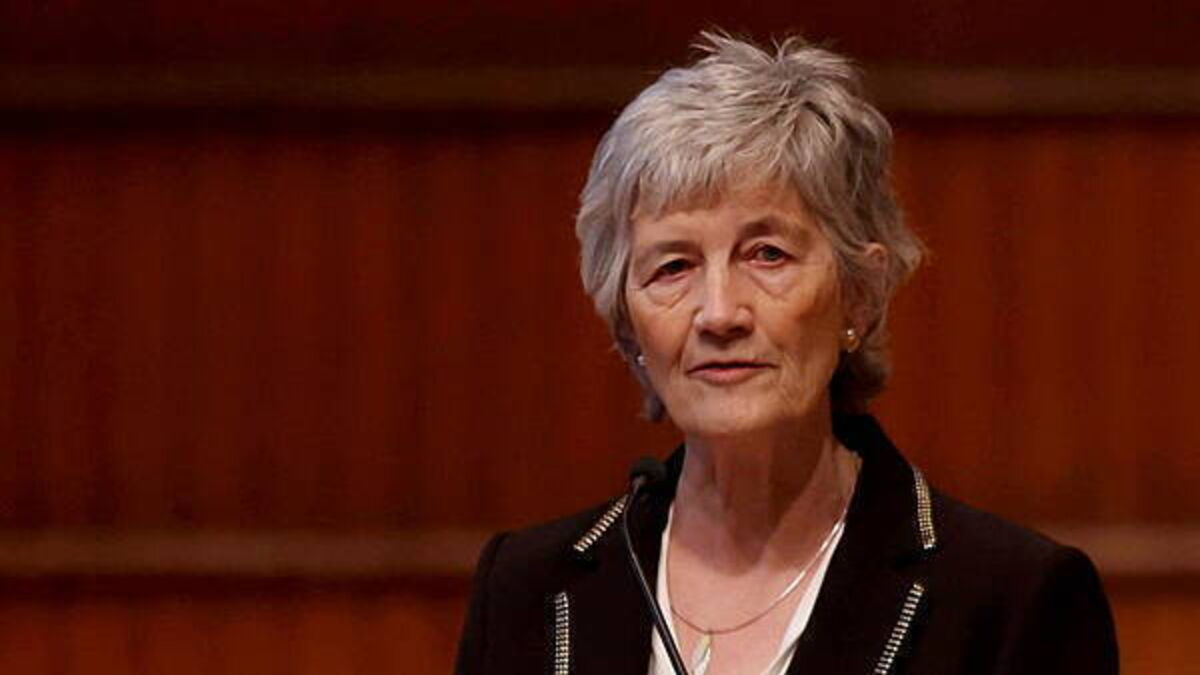
President Catherine Connolly has triggered a legal examination of the Government’s draft laws on the asylum system.
Connolly has convened the Council of State on Monday, where it will consider the constitutionality of Justice Minister Jim O’Callaghan’s International Protection Bill.
The council consists of Taoiseach Micheál Martin, Tánaiste Simon Harris, senior judges and Attorney General Rossa Fanning, as well as previous presidents, taoisigh and chief justices.
Connolly also made seven of her own appointments to the body in March.
The Bill, which O’Callaghan called “a pivotal step in our implementation of a rules-based migration and asylum system”, is part of EU-wide reform of rules on migration, and it was passed by the Dáil and Seanad in recent weeks.

A statement issued on Thursday afternoon said Ms Connolly has convened a meeting of the Council of State, under Article 26 of the Constitution, to be held at Áras an Uachtaráin on Monday at 2.30pm.
That article states the president can refer a Bill to the Supreme Court “for a decision on the question as to whether such Bill or any specified provision or provisions of such Bill is or are repugnant to this constitution or to any provision thereof”.
Connolly must first consult with the Council of State before referring legislation passed by the Dáil to the Supreme Court.
The Bill contains a swathe of immigration changes, including requiring a decision on asylum applications within three months and any appeals to be concluded in a further three months.
The changes also include a three-year wait time for people granted asylum in Ireland before they can apply for family reunification, and they must also prove they are self-sufficient.
The referral of the Bill comes after Ireland’s equality body said there had been “no meaningful engagement” on the Government’s legislation in the Dáil.
The Irish Human Rights and Equality Commission said among the amendments that were not debated were “core safeguards for children, for victims of trafficking, and for other vulnerable groups seeking international protection”.