Prison guard who foiled escape attempt goes to court over Defence Force tribunal
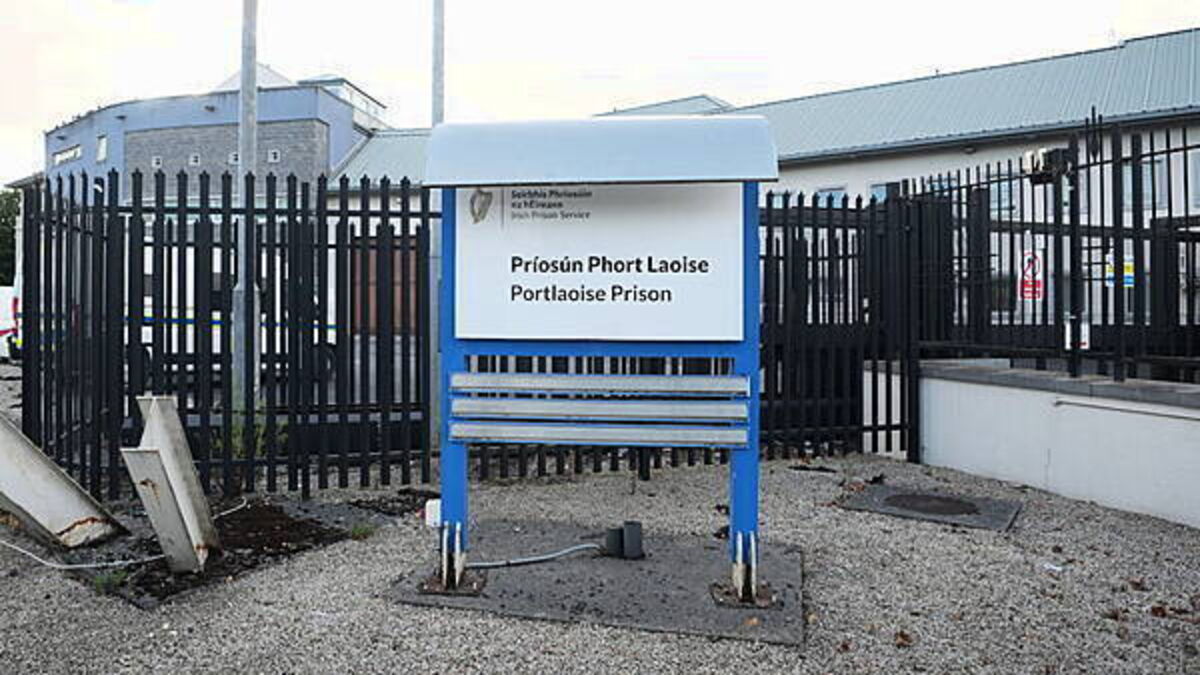
High Court Reporter
A former Portlaoise prison guard involved in a foiled 1988 escape attempt by a paramilitary prisoner, but who was later dismissed, has taken a High Court challenge against a Defence Force complaints process tribunal that refuses to hear from him.
Sean O'Brien (65) of Ballycumber, Co Offaly, has taken the case against 'the Tribunal of Inquiry into issues relating to the complaints processes in the Defence Forces and the culture surrounding the making of complaints'.
He lists the Minister for Defence, Ireland and the Attorney General as notice parties.
Mr O'Brien is asking the High Court to quash the tribunal's decision from April of last year, refusing him permission to make representations, as the terms of reference were limited to those employed by the Department of Defence or the Defence Forces.
Mr O'Brien submits he was a prison officer and civil servant at the prison from February 1980 to May 1989. He submits the Defence Forces had been "in control" of the prison by way of armed guard since 1973.
He claims the Defence Forces were the body responsible for the security of the prison and its occupants and that this placed him inside the terms of reference into the tribunal examining the complaints procedures.
Mr O'Brien claims he was the victim of "abuse" at the hands of the Defence Forces on the night of May 18th, 1988, when he says he was "instrumental" in apprehending prisoner Patrick McVeigh who attempted to escape after a UK warrant for his extradition was issued.
He claims that shots fired in his and the prisoner's direction were fired with "lethal intent" but narrowly missed them both.
Mr O'Brien says he believes his dismissal in May 1989 amounted to penalisation for reporting this and other "abuses" within the Defence Forces and that he had been precluded from participating in any inquiry that may have taken place as he was never interviewed about it.
He submits that the impact of the experience had a debilitating impact on his mental health and that he suffered PTSD and suicidal ideation.
At the High Court on Wednesday, Diarmuid Rossa Phelan SC, instructed by John Gerard Cullen Solicitors, for Mr O'Brien, said his client had been working under the Defence Forces at the time as they had taken control of the prison.
Mr Phelan said his client worked in the country's highest-security prison where INLA and IRA prisoners had to be separated.
Mr Phelan said the tribunal was concerned with civil servants and civilian employees at the Department of Defence and members of the Defence Forces but that this should not preclude Mr O'Brien from making representations, even though his official employer was the Department of Justice.
Counsel said his client was not seeking to "take on" the tribunal but wanted to have his voice heard regarding the handling of his abuse complaints.
Mr Phelan said his client was engaged in the service of the State at the time and acted with "commendable bravery that placed his life at risk" but those actions changed Mr O'Brien's life "from that moment".
"It [the tribunal] must inquire into the matters and processes of complaints of abuse. He [Mr O'Brien] squarely falls into this category," said counsel, who added that "not being heard was a further trauma".
Eileen Barrington SC, for the tribunal, said that Mr O'Brien's employment had been terminated due to absenteeism which began before the May 1988 incident.
Ms Barrington said it had been accepted that Mr O'Brien was an employee of the Department of Justice and had never been an employee of the Department of Defence.
Ms Barrington said the tribunal had fully considered Mr O'Brien's submissions and had given him a definitive answer.
Counsel said that to include Mr O'Brien in a Defence Forces complaints procedure investigation would "cast a very wide net" and that the tribunal had a three-year time limit.
Ms Barrington said it "couldn't be clearer" that the tribunal's obligated purpose was to look into those working at the Department of Defence or in the Defence Forces regarding a duty of care for those in their workplace.
She said the tribunal could not be extended to anyone who came across someone on the street who "gave them a box" but happens to work for the department or the military.
Ms Barrington said It was clear that the filters employed by the Tribunal were "obviously designed to capture a subset of persons" and there was no obligation to hear Mr O'Brien if he fell outside the terms of reference.
Ms Justice Miriam O'Regan reserved her judgement in the matter.
As part of a pilot project BreakingNews.ie has used AI to suggest headline options for this article. The final headline was chosen and edited by BreakingNews.ie journalists. Find out more