Admissibility of ‘decisive evidence’ in trial of Soldier F examined
By Rebecca Black, PA
The admissibility of “decisive evidence” in the trial of a former paratrooper accused of the murder of two men in Derry over 50 years ago is being examined.
It centres around statements made by two other soldiers which claim their colleague fired shots at Glenfada Park North on January 30th, 1972, the day when members of the British army's Parachute Regiment shot dead 13 civilians.
Soldier F, who cannot be identified, is accused of murdering James Wray and William McKinney.
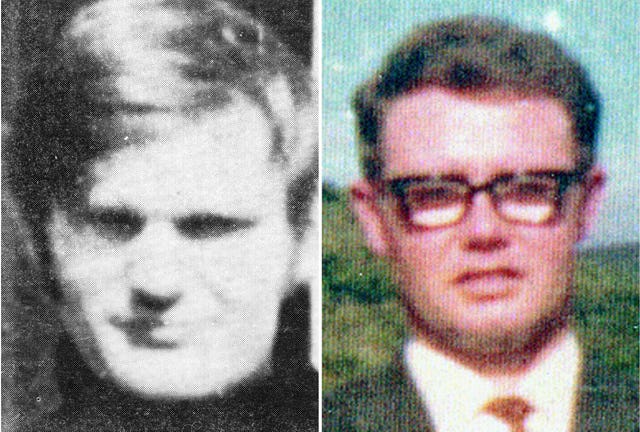
He is also charged with five attempted murders during the incident in Derry’s Bogside area, namely of Joseph Friel, Michael Quinn, Joe Mahon, Patrick O’Donnell and a person unknown.
He has pleaded not guilty to the seven counts.
The trial opened at Belfast Crown Court on Monday and heard the prosecution’s opening statement as well the statements of a number of people present at the shootings.
Soldier F is sitting behind a curtain during the non-jury trial, while relatives of the Wray and McKinney families and supporters watch on from the public gallery.
Outside the court, a number of supporters of Soldier F and the wider British army veterans’ community have gathered on each day of the trial so far.
On Wednesday, prosecution barrister Louis Mably KC outlined the contents of the statements made by Soldiers G and H about the events of the day.
They include statements made by both to the Royal Military Police on the night of the shootings, as well as statements to the Widgery Inquiry later in 1972 and a transcript of oral evidence they gave to that inquiry.
Mr Mably described the contents of the statements as “both truthful and untruthful”, with some of the contents consistent with other eyewitness evidence.
“They are truthful in some respects, but untruthful in others,” he said.
“Truthful in identifying which opened fire …. they had no good reason to lie about that.”
He argued that, taken together, “this is decisive evidence”.
“Statements of G and H taken together is obviously decisive evidence, the question of whether or not F opened fire,” he said.
The court also heard that Soldier G is understood to have died.
While Soldier H remains alive, the court heard they have been approached to give evidence to the trial, but their solicitor has indicated that if compelled to attend, they will exercise their privilege against self incrimination.
The trial continues.