Venus, Saturn and the Moon set to form rare ‘smiley face’ planet alignment
By Lynn Rusk, PA
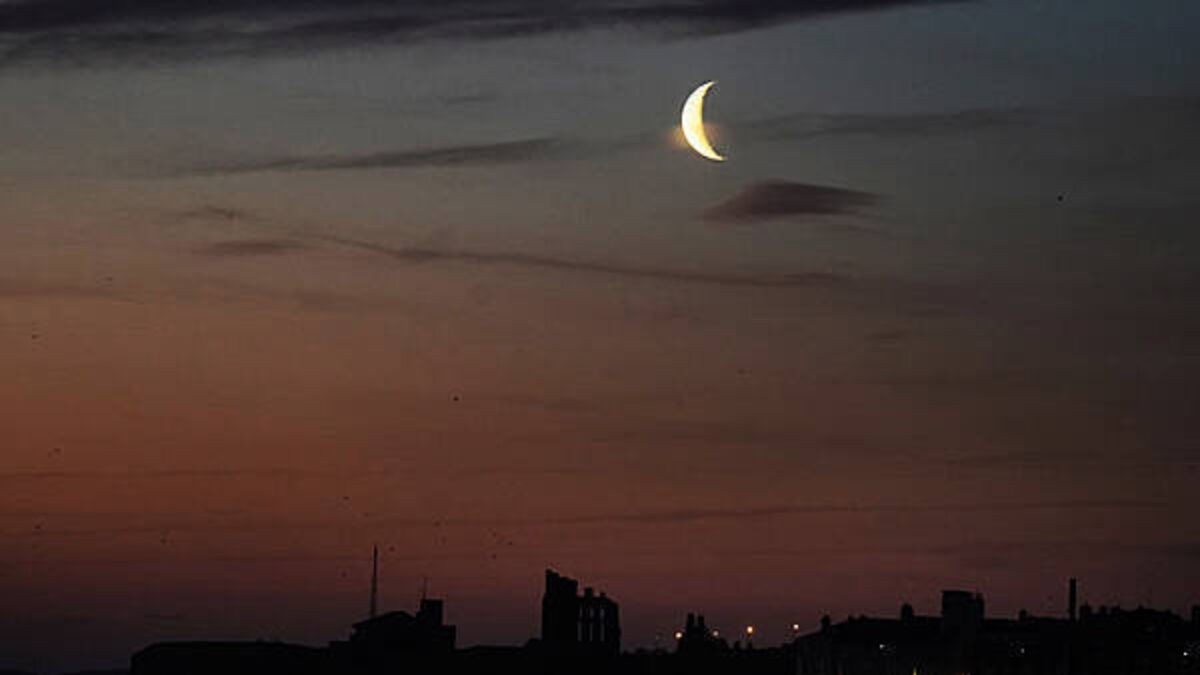
Stargazers will be treated to a rare sight this week as Venus, Saturn and the Moon align to create a “smiley face” formation in the night sky.
This rare alignment will be visible for about an hour at about 5.30am on Friday morning, with sunrise taking place at about 6am.
“On the morning of April 25, in the eastern sky just before sunrise you’ll be able to see a thin crescent moon,” Jessica Lee, an astronomer at London's Royal Observatory Greenwich, told the PA news agency.
“Above the Moon, Venus will be bright and easily visible.
“Below Venus on the other side of the crescent moon, Saturn will technically be visible.
“However, Saturn rises just before the Sun and the sky will be brightening by the minute.
“The planets pass through the same area of sky where we see the Moon, and so it won’t be rare for Saturn or Venus to be near the Moon – however how often we can interpret them as smiley faces, I think, depends on individual imaginations.”
Ms Lee has advised stargazers to rise at 5am in order to have a clear view and to look towards the east.
“You’ll need to turn your head sideways and really squint, but then you might be able to see the two planets as the eyes and the Moon as the mouth of the face,” she said.
No special equipment is required to view the event.
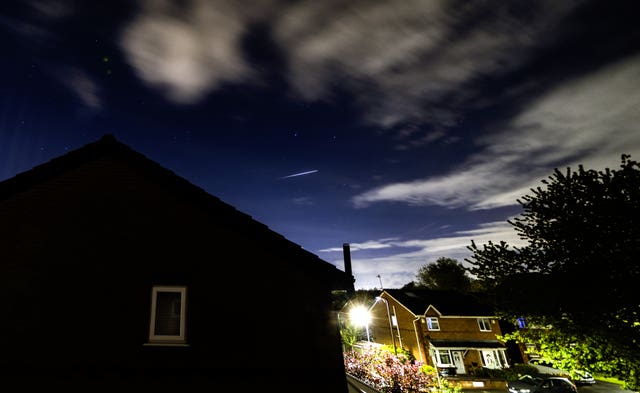
Another meteorological event taking place this week is the Lyrid meteor shower, with its peak occurring on Tuesday night.
The Lyrids take their name from the constellation of Lyra the Harp, from which the shooting stars appear to originate.
Meteor showers, or shooting stars, are caused when pieces of debris, known as meteorites, enter Earth’s atmosphere at speeds of around 43 miles per second, burning up and causing streaks of light.
The Lyrids occur between April 16th-25th every year.