Inflation could rise to 10% as Ukraine war impacts on fuel prices
Digital Desk Staff
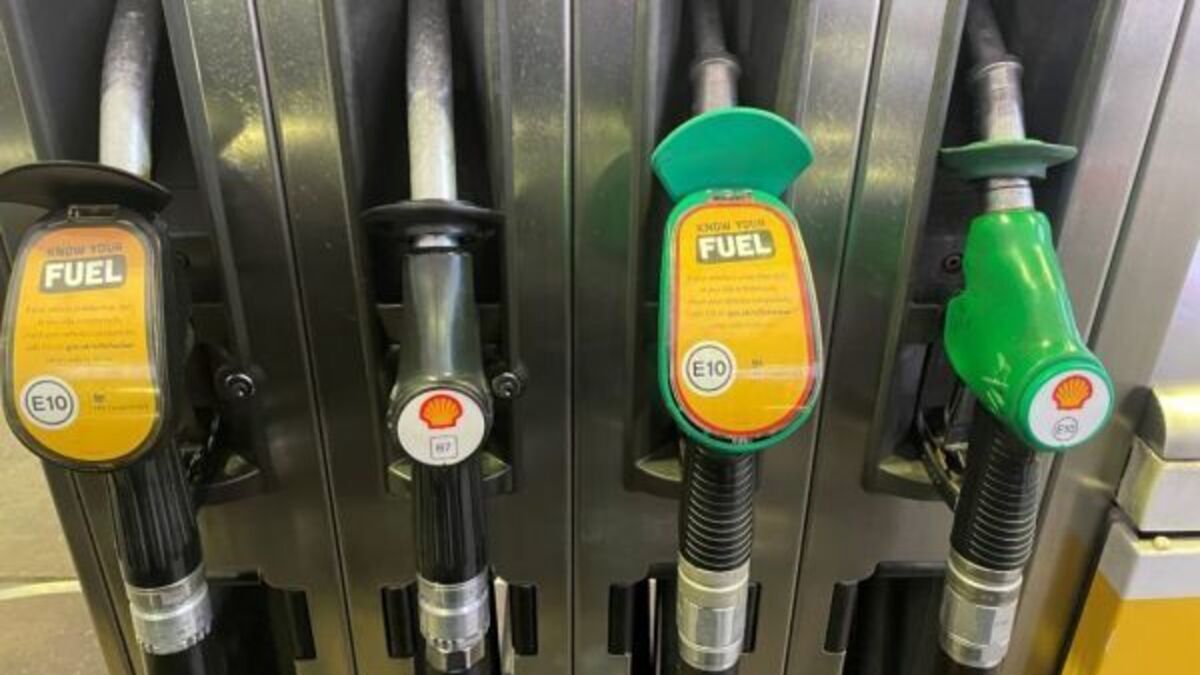
Inflation could spike as high as 10 per cent in the coming months, as the fallout from the Ukraine war sends crude oil rocketing and the price of a litre of fuel hovers at close to €2.
In just the past week since Russia launched its invasion, European gas prices have more than doubled, coal has surged by 85 per cent, and crude oil has climbed by a fifth.
As the Irish Examiner reports, Kieran McQuinn, economics professor at the Economic and Social Research Institute, (ESRI), said Irish inflation will now spike much higher than previously thought and peak later this year at 8.5 per cent.
The ESRI had previously expected inflation to average 4 per cent this year and peak at 6 per cent in March.
Mr McQuinn said if events in Ukraine become "even more horrific", pressure could build on EU policymakers to cut the use of Russian gas and oil.
"Who knows under such circumstances what the cost of energy would be in the short to medium term?" he said.
Senior economist Jim Power was even more pessimistic saying inflation could peak at close to 10 per cent.
Barrage of sanctions
"There is a distinct risk that oil and gas will remain high for a long time," he said adding that, in relation to food, inflation is picking up because Russia and Ukraine are big suppliers of food grains.
"Just over two weeks ago I was forecasting an average rate of 4 per cent this year and peaking in February or March at around 6 per cent," he said.
"It is now likely it is going to peak at close to 10 per cent."
While Russia faces a barrage of sanctions designed to isolate its economy, they exclude its exports of gas and oil because Europe needs the Russian fuel to power its economy.
Experts estimate that western European countries are paying €700m a day to Russia for their energy supplies, effectively blunting the effects of Western sanctions.
Tánaiste Leo Varadkar confirmed the Government is looking at reducing excise duties on fuel and energy supplies here given how they have been impacted by the Ukrainian invasion.
More than a third of the average cost of a litre of petrol goes on excise duties.
Taoiseach Micheál Martin chaired a ministerial meeting on the latest situation in Ukraine and its potential implications for Ireland.
The meeting heard that the economic aspects of the crisis, including sanctions and possible counter-measures, will be significant, potentially impacting inflation and critical supply chains, and will require "innovative" responses.
'Marginal supplier'
Dr Muireann Lynch, senior research officer and part of the energy economics team at the Economic Social Research Institute (ESRI) has warned that even though Ireland does not have a direct supply of gas from Russia, energy prices will rise if there are restrictions imposed on Russian fossil fuels.
Speaking on RTÉ radio’s News at One, Dr Lynch explained that Russia was a “marginal supplier” of gas to Europe, utilised whenever extra supplies were required, so restrictions would still have an impact.
Oil and gas prices tend to track together, she said and in Ireland 40 per cent of energy went on transport with a further 40 per cent going on heating for homes and businesses which meant that any increase in the price of gas and oil would hit consumers.
While demand for energy, particularly for heating, tends to go down in the summer, the situation was “still not going to be good” for those who need heat in the coming weeks.
All of the gas used in Ireland comes from offshore supplies or via the UK which uses a diverse range of suppliers. There would be a rise in gas and oil prices, she said.
Inflation was also driven by increased energy prices, so there would be other repercussions.
Dr Lynch warned that it was important not to start “slashing” energy prices as that would have an impact on climate considerations. How policymakers react would be important for the public, she added.
-Additional reporting by Vivienne Clarke