Trevor Laffan: Allow pets on public transport? It's a one-way ticket to disaster

Well, wonder no more because, very soon, it looks like you will be able to have that experience when animals are allowed to travel on public transport.
Human feet on the seat beside you might have left you feeling peeved once upon a time, but that could shortly be the least of your worries. Imagine a Great Dane peering over your shoulder while you try to read your newspaper, drooling on the crossword. Or a little terrier yapping his head off while you’re trying to grab a nap. Or having to suffer the smell of a creature badly in need of a shampoo, or maybe even something worse like a deposit he left on the floor.
Well, brace yourself, because dogs, cats and other pets are set to be allowed greater access to travel on bus, trains and trams from 2027, after the National Transport Authority (NTA) announced proposals to relax existing rules on the carriage of pets on public transport services.
However, they must not be allowed on seats and must remain on their owner’s lap or on the ground in a way that does not obstruct other passengers or passageways.
The proposed changes follow a consultation process conducted earlier this year in which, we are told, a large majority were strongly supportive of allowing pets to travel on public transport.
The animals must be kept apart from each other to ensure the safety and comfort of other customers and pets.
The NTA has also proposed that larger dogs may be carried provided they are on a lead and are muzzled. However, it said larger dogs may be refused transport if services are reaching capacity.
Not everybody is enthusiastic about the plan though.
And they are right to be concerned. Public order issues have been common on public transport for years and haven’t been easy to deal with up to now.
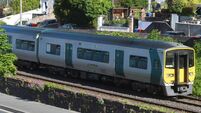
The Cork-Dublin rail line has acted like a ‘drug corridor’ for a long time, according to a representative of the National Bus and Rail Union.
An analysis by The Echo of almost 120 complaints made to Irish Rail in the past year about anti-social behaviour on Cork trains found 87% related to services between Cork and Dublin.
Complaints included intimidation, assault, disturbances, racism, alcohol and drug use, and smoking and vaping on trains.
The analysis also revealed that not only is bad behaviour very prevalent on Cork trains, but security would seem to be lax too.
The reporter recorded many complaints from commuters about drug abuse, homophobia, and fights taking place.
A water fight, a teenager smoking weed, people exiting the toilets together with needles in their arms, hot drinks thrown, multiple fights, and the open use of cocaine were among the issues reported on trains to and from Cork in the last year.
Another customer said that after the Ploughing Championships last year, “approximately 100 drunk teenagers got on the train at Portarlington” and spent the entire journey “standing on chairs and tables screaming” and shouting and banging the ceiling.
One said that a fight broke out between “a group of youths” on the train and that passengers had to intervene, despite there being a security guard on board.
“He did not intervene, he just stood there and looked at them and did nothing,” the person said.
Another described how two security staff were talking to a man “who was clearly drunk or on drugs”, but the staff got off before the train left Cork.
Another reported that, after waiting 15 minutes to use the toilet, they knocked and “when the door opened, two people emerged with needles in their hands.”
Who will prevent said pit bull from tearing the head off the little poodle in the next seat? And what happens when an animal leaves a deposit on the floor by your feet; who will instruct the owner to clean it up?
Keeping animals off the seats and away from other animals to protect the safety and comfort of passengers might work in a perfect world, but as we have seen, travelling on public transport is already far from perfect for many commuters. And that’s before an animal even sets a paw on a train or a bus.
We’ll have to wait and see what happens. Pets may very well sit contentedly in their owners’ laps without causing a nuisance. Alternatively, we could see utter chaos.
Just imagine dogs charging wildly up and down the carriage, barking and tearing lumps out of each other.
Owners shouting at their pets, trying frantically to gain control while sliding in the mess on the floor, while the conductor takes one look at the carnage and retreats to lock himself into the toilet.
Things may not get that bad, but people who can’t behave themselves on public transport under normal circumstances are unlikely to change the habit of a lifetime just because they have Fido with them.









 App?
App?


