‘Real’ and healthy food is fast becoming too expensive to buy
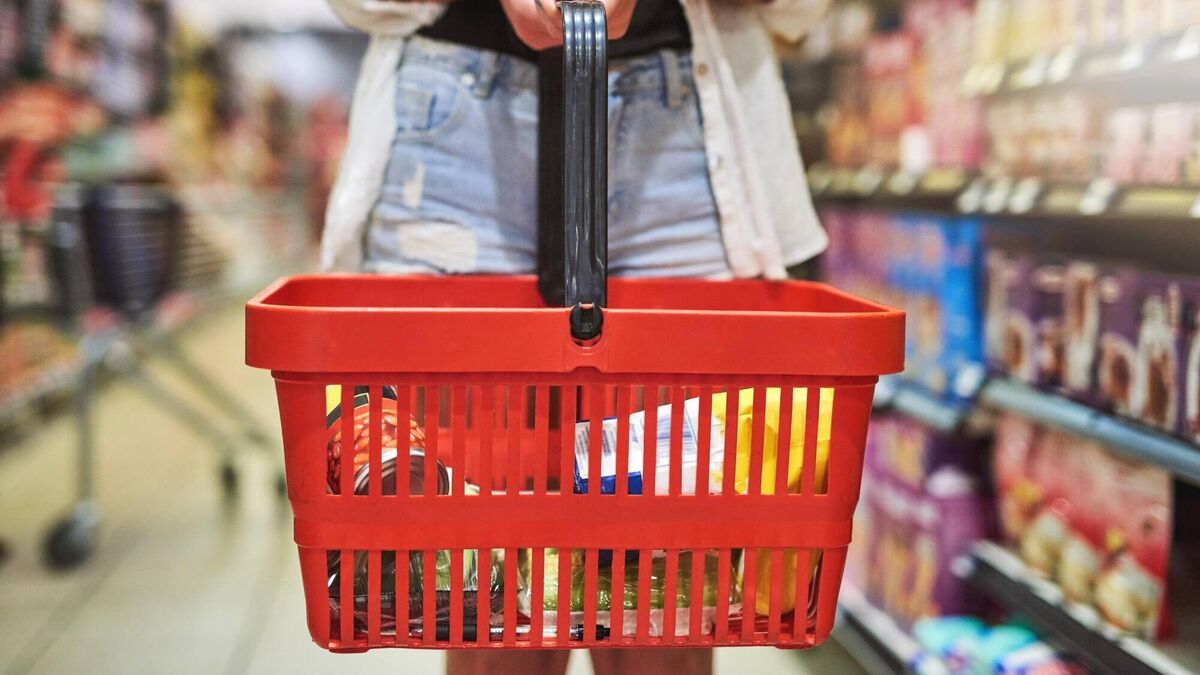
Shot of an unrecognizable woman holding a shopping basket at a grocery store
I had just bought two newspapers and a five-kilogram bag of local potatoes. Very local potatoes. Not even, like, the season’s New Potatoes. Ordinary potatoes. Grown only 15 minutes’ drive from where I live.
The cost of two newspapers and a small bag of local spuds?
Just under €20.
When the cashier told me the price, my jaw dropped. I didn’t argue, but took the receipt and studied it closely as I left the shop.
The small bag of local potatoes (and I stress “small” and “local”) cost me nearly a tenner!
When I opened the bag later on, I could nearly count how many spuds were in it.
The newspapers between them cost almost €9.
A woman with two small children in tow walked past me on the pavement as I stood looking in amazement at the till receipt.
Our eyes met. I showed her the receipt.
“This is crazy,” I said.
“This shop is always expensive,” she said.
“Maybe so,” I replied. “But it’s not just this shop. It’s every shop.”
Even what were formerly viewed as the more reasonable supermarket chains have become noticeably, indeed visibly – in terms of what you pay for what’s in your trolley - more expensive.
Is it just me or does everyone else whose children have grown up and left home find they’re now paying around the same price for the weekly trolley of groceries for two (and this by the way, in my case does NOT include alcohol, meat or central aisle sundries) that they used to pay for the weekly shop for the family of four or five only a few years ago?
I paid a butcher the guts of €70 recently for what I can recall was something along the lines of four lamb chops, four chicken breasts, a pound and a half of stewing beef, a couple of lamb shanks, and maybe a pound and a half of minced beef. I think I threw in a bunch each of locally-grown carrots and parsnips as well, and that was it.
My son and his girlfriend recently emigrated to new jobs and new lives in Scotland. They’re earning about the same as they made here.
The rent for their beautiful, spanking new apartment is the same as they paid for accommodation in Cork city, but other than that, he says, the general cost of living in Edinburgh, one of the world’s most attractive and cultured cities, is at least 30% below that of Ireland.
He can walk to work. His girlfriend catches a tram. They have sold their second car.
“Tell me,” I said, “what’s cheaper?”
“Honest to God, Mam,” he said, “everything. Everything’s cheaper.”
He was fascinated, he reported, by how the Scots were complaining that things used to be even cheaper prior to Brexit.
“I told them they should move to Ireland if they wanted to see what expensive means,” he quipped.
Meanwhile, over here we’re urged to be loyal and “buy local” – even though that means paying the guts of €10 for a small bag of local spuds?
Come off it.
Next Halloween, as the third phase of the government’s staggered restoration of full petrol prices comes into operation, we’ll quite likely face a bill of €2 a litre at the petrol pumps.
We had our first phase of the price restoration in June and the second this month, which left us paying an average of €1.73 per litre for petrol.
VHI has gone up by 7% and other health insurers like Irish Life and Laya have followed suit; the CSO has reported an unexpected rise in headline inflation with prices rising by nearly five per cent annually. Ireland is fast becoming too expensive to live in for many people.
Now, here’s the thing. An acquaintance of mine, who spent about a month with relatives in America over the summer, said the cost of ‘proper’ food was utterly staggering.
What she means by proper food was fresh fruit and vegetables and unprocessed meat. She accompanied her daughter shopping on a number of occasions and the cost of simple, unprocessed food was, she said, absolutely mind-blowing.
She was told that for some reason the cost of fresh produce in the USA has spiraled since the pandemic. It’s shot up to such an extent that highly processed convenience foods are actually now much cheaper than fresh produce you have to peel, chop and cook yourself.
Everywhere she went, reported this woman – who is an agile 70-something - there were tons of unbelievably obese people riding around on mobility scooters. Some of them were only in their twenties.
It was very hot, she said. She was told that their extreme body-weight made even walking in the heat impossible.
Basically, what has happened in America – and what is clearly already happening here – is that people are living in a nutritional nightmare.
People are eating merchandise, not food. I did a google. Do you know what the Number One vegetable eaten in America is now? French fries.
I wonder what the Number One vegetable for Ireland is now?
About six years ago, I interviewed a nutritional expert who told me about her attempts to encourage healthy eating habits in Irish families. One parent told her the children ate vegetables once or twice a week. When the expert investigated further, it emerged that the “vegetables” referred to were the toppings on frozen pizzas.
It started because many women went out to work, many men didn’t pick up the slack, and help out around the house, and people generally became time-poor.
Now, here in Ireland, real, healthy food that you have to prepare and cook yourself is becoming too expensive to buy. A recent study commissioned by a major supermarket chain showed that half of their customers had cut back, or intend to cut back, on spending on fruit and vegetables in an effort to manage their budgets, while 86% have, or intend to reduce their spending on organic and environmentally-friendly produce.
Can you blame people?
Nearly €10 for a small bag of locally-grown spuds?
Are you kidding me?







 App?
App?


