Why ACL injuries are surging across the GAA
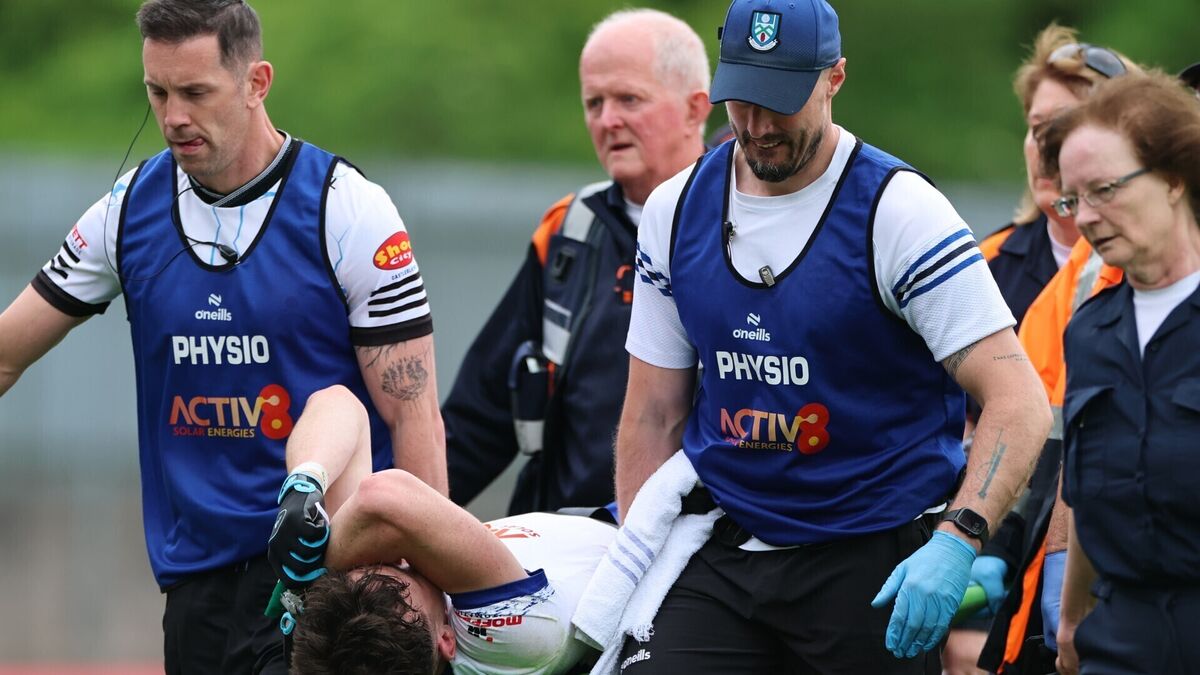
Monaghan’s Bobby McCaul leaves the field after suffering an ACL injury this year. Picture: James Crombie/INPHO
ACL injuries have become an uncomfortable story across the GAA, with players at all levels facing long spells on the sideline.
What was once considered an occasional setback now feels far more common, and the question being asked in dressing rooms, medical rooms, and county board offices is simple, why is this happening so often?
One of the biggest factors is the sheer intensity of the modern game. Training sessions have evolved dramatically over the past decade. What used to be two nights a week of football or hurling has become a blend of pitch work, gym sessions, conditioning blocks, and tactical drills.
Players are stronger, taller, faster, and covering more ground than ever before. That increased physical load places enormous pressure on joints, particularly the knee.

The calendar is another issue. The GAA season has tightened, with club and county fixtures running off in quick succession. Recovery windows are shorter, and players often move from league to championship without the natural breaks that once allowed the body to reset.
There is also the reality that players are now training like professionals while living amateur lives. Work, college, travel, and family commitments all add stress outside the sporting environment.
The playing surfaces themselves have changed too. Many pitches are in excellent condition, but harder ground during dry spells can increase the strain on joints. Artificial surfaces, while useful for winter training, have long been associated with higher ACL risk due to the increased grip underfoot.
Another factor is the rise in year-round activity. Younger players, in particular, are involved with school teams, club teams, development squads, and sometimes multiple codes. The load on teenagers and players in their early twenties is enormous.
ACL injuries will never be eliminated entirely, but the frequency we are seeing now is worrying. The hope is that the trend begins to reverse.






 App?
App?


