Throwback Thursday: Demise of Cork Hibs left a huge void in Cork soccer
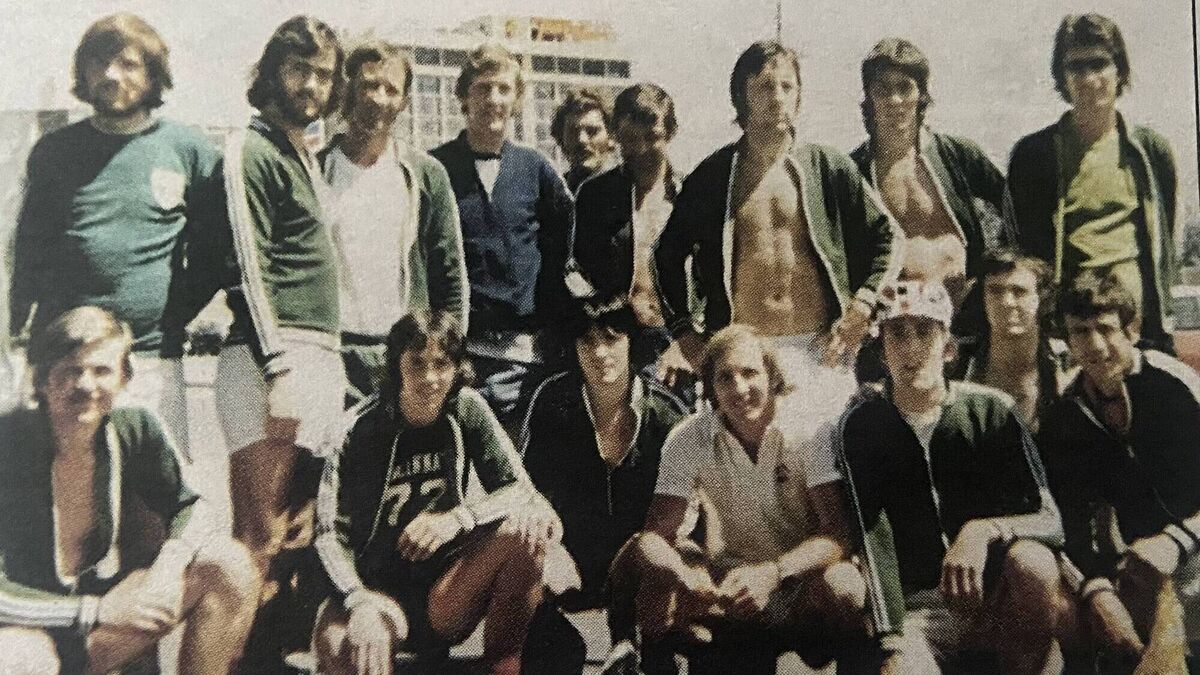
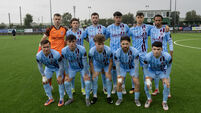
Cork Hibernians US tour June 1976 squad photo. Back: Martin Sheehan, Damien Richardson, Noel O’Mahony, Gerry Finnegan, Bobby Tambling, Dave Kirby, Bryan McSweeney, Pat Kirby. Front: Peter Gregson, Paul Daly, Carl Humphries, Peter Thomas, Ger Spillane, Pat Morley, Adrian Walsh.
After Cork Hibernians folded before the start of the 1976-'77 season, 50 years ago next August, Cork lost its most successful club since the heady days of Cork Athletic in the early '50s.
Hibs joined the League of Ireland in 1957 following the dissolution of Athletic. The club played at The Mardyke before moving to what would be their permanent home, Flower Lodge, in 1962.
FAI Cup final defeats to Shelbourne in 1960 and 1963 were eventually put to bed by a huge improvement in form in 1968-'69 which saw Hibs finish third for the first time. A total of 13 goals by the flamboyant former Cork Celtic striker Carl Davenport were instrumental in the team’s run of good form.
Another third-place finish the following season was followed by a first title success in 1970-'71 after defeating cup specialists Shamrock Rovers 3-1 at Dalymount Park on April 25, 1971.
Hibs were the form team once again in 1971-'72 under the astute player-management of former Manchester City and Arsenal full-back Dave Bacuzzi. The league was lost after being two up with 12 minutes to go against Waterford, 3-2 in front of 28,000 supporters at the Lodge.
However, Hibs turned the tables on their Munster rivals in the cup final, winning 3-0 courtesy of Miah Dennehy’s memorable hat-trick.
Carl Humphries’ solitary 83rd-minute goal retained the cup against Shelbourne in a replay at Flower Lodge on April 29 to secure more European football for the Ballintemple club.
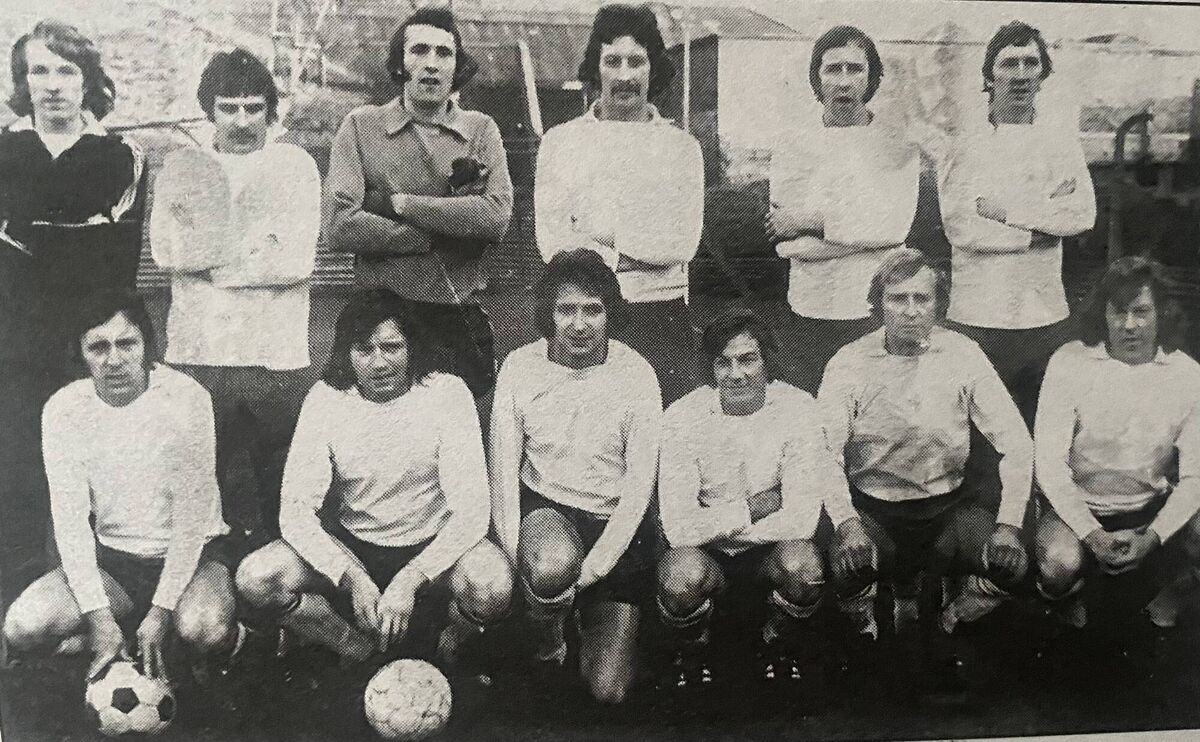
After a trophyless season in 1973-'74, the controversial sacking of Bacuzzi led to angry public demonstrations but the directors refused to relent on their decision.
Falling attendances led to directors experimenting with bringing in well-known cross-channel talent, like their neighbours Celtic had done with the signing of George Best, in an attempt to bring in much-needed cash.
He took his fee but unknown to him, Hibernians were left with a £1,000 loss, equivalent to €13,000 today, as the hoped-for gate receipts never materialised.
As the AGM approached on June 21 at Cork’s Victoria Hotel, future plans for the club, who had finished sixth in the league, would be overshadowed by further financial worries.
The pressing issue of an overdue transfer fee of £1,000 to Rotherham United for the signing of former Leeds United and Wolves star Mike O’Grady back in September 1974 rose its ugly head as participation for the new season would be denied pending the payment of the fee.
It was thought that the club were in debt to the tune of £15,000 and sought help from the public who organised a meeting at the Stardust ballroom on June 13.
A reconvened AGM on August 9th spoke of optimism in reaching a financial solution but within a week, a statement to cease trading was announced and notification to withdraw membership was made on August 24.
There was deep shock at the announcement at home and around the country as to how one of the league’s leading teams could be allowed fold after enjoying so much success less than six years beforehand.
Their local rivals Cork Celtic couldn’t live up to the void left by Hibs' withdrawal and within three seasons, they also went the same way to leave an unthinkable scenario of losing two clubs who had won championships in the same decade as their dissolutions.
Albert Rovers, aka Cork Alberts, aka Cork United, failed to replicate the success Hibs enjoyed and playing before small crowds also led to their expulsion in 1982.
Within a year, former manager Amby Fogarty tried to use the Cork Hibernians name again and compete again in league football. But, it wasn’t to be, as a problem with affording the lease to play at Turner’s Cross meant Hibs’ glory days of playing at Flower Lodge could never be repeated.


 App?
App?


