Streamlined leagues may offer better championship insights
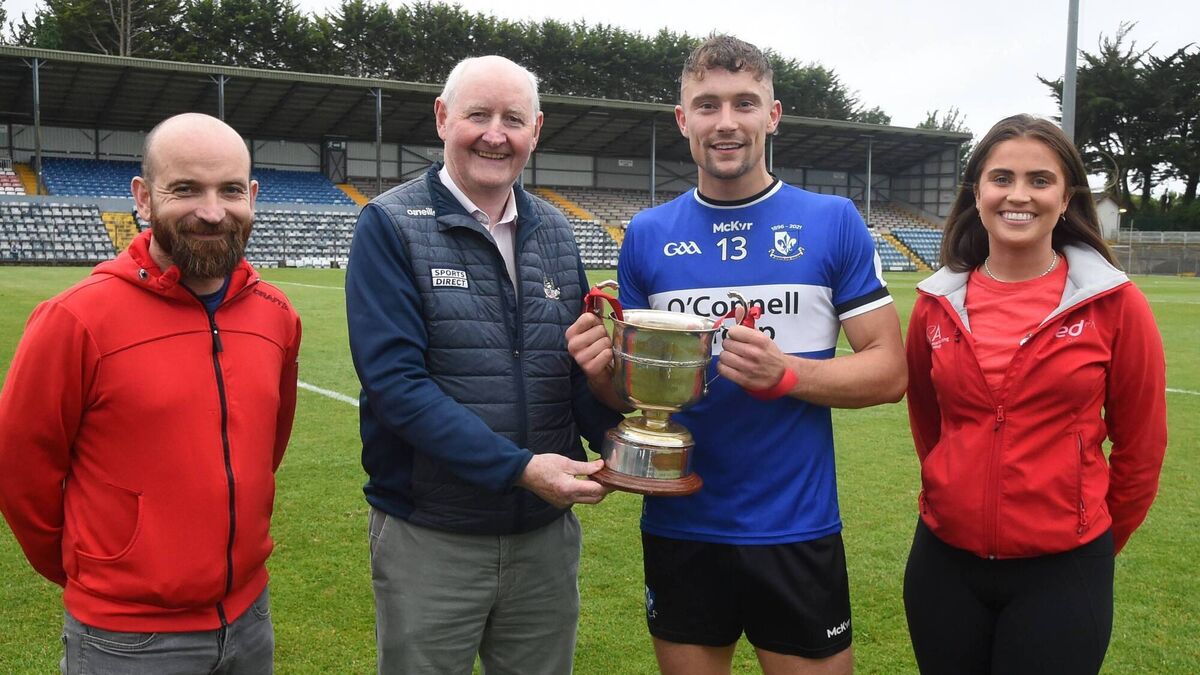
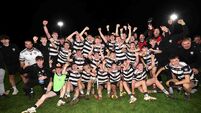
Aaron Myers of Sarsfields receiving the Conroy Cup from Pat Horgan of Cork County Board, with Ruairí O'Hagan and Anna Butler of RedFM also present, after last year's RedFM Hurling League Division 1 final win over Blackrock. Sars went on to achieve a league and championship double. Picture: George Hatchell
The Allianz Football Leagues conclude this weekend as the four finals take place at Croke Park.
With there being such a compacted fixtures schedule nowadays, these games are often pinpointed as possible candidates for a cull to allow counties an extra week between the league and championship. However, they are likely to survive for a few reasons.
The first is that the sponsors, such loyal supporters of the leagues for three decades – known as Church & General before being taken over by the German giant in 1999 – are entitled to televised showpiece occasions. In addition, while the idea of a league without a final is unremarkable to anybody who has ever had exposure to (association) football, such a concept is alien to the GAA and would require some getting used to.
Finally, and far from a trifling matter, is that counties that might not otherwise be in the shake-up to reach Croke Park through the championship have a chance to play there in front of their supporters. The ‘big day out’ might be passé for fans of routinely-successful counties but it should never be belittled.
As for the leagues as a whole providing an insight into championship prospects, the last two decades have seen a growing correlation. Between Cork’s league and All-Ireland double of 1989 and 2002, only Kerry in 1997 managed to win both in the same year.
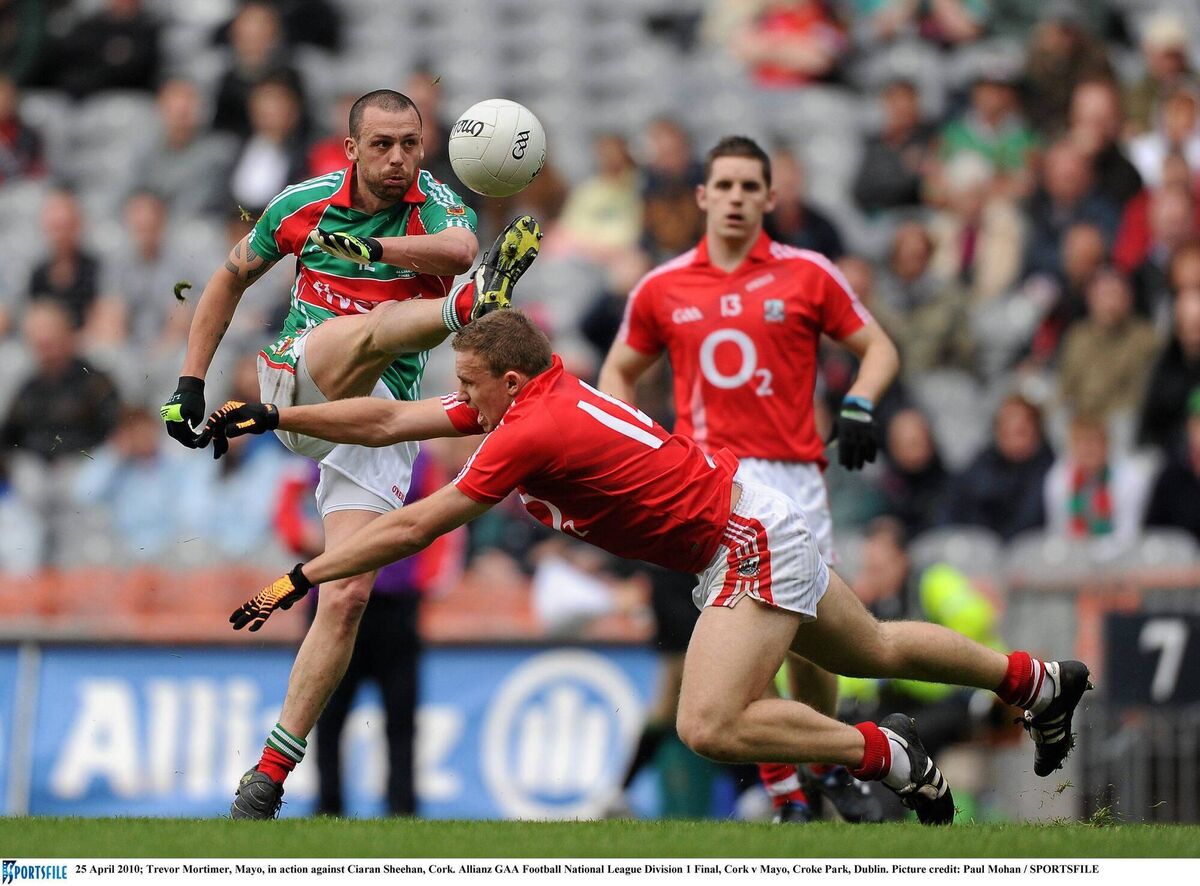
However, the 21 seasons since have seen ten instances of a county managing such a feat, including Cork in 2010. Equally, it’s worth noting how hard it is to reach Division 1 – one has to go back to 2017 for the last time that at least one of the sides promoted from Division 2 had not been relegated the year before.
The Hurling League offers a similar level of doubles as the football: ten since 2001, with six of those by Kilkenny and Limerick taking up the mantle with two in the recent past.
The streamlining of the calendar around the millennium, placing the league in the spring with a less-unwieldy programme, allowed it to feed into the championship and the formlines grew stronger.
It will be interesting to see if a similar phenomenon develops at local level.
In times past, the county senior hurling league would suffer as teams already out of the championship often lacked interest, or indeed failed to fulfil fixtures and it might take until the following year for an edition to be completed. Indeed, the 2002 final between Blackrock and St Finbarr’s remains unplayed.
The advent of sponsorship, first by the Evening Echo and latterly RedFM, has ensured a growing prestige and the greater clarification added to the scheduling should see that continue and increase, with no other distractions to dilute the importance.
Last year was the first where the leagues were wrapped up prior to the start of the championship and, coincidentally or not, we ended up with a club doing the top-tier.
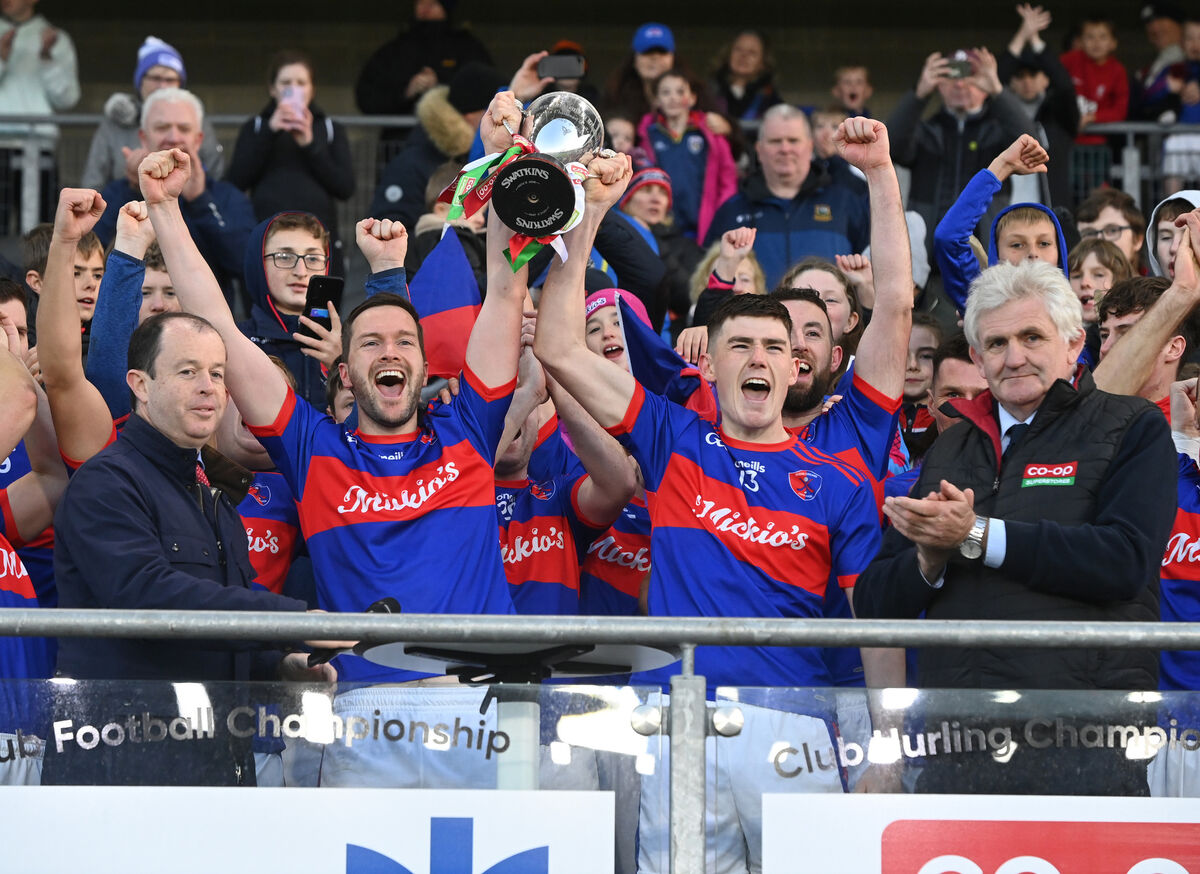
Sarsfields came out on top in the RedFM Hurling League, beating Blackrock in the Division 1 final, and then went unbeaten in the Co-op SuperStores Premier SHC, culminating with victory over Midleton in the final.
It’s obviously the smallest of sample sizes but it did represent the exception rather than the rule – since St Finbarr’s had won the Conroy Cup for the league and the Seán Óg Murphy Cup for the championship in 1984, only Blackrock (2001) and Newtownshandrum (2009) had done it, while Midleton did triumph in a Covid-19-impacted, condensed ‘league cup’ competition that was used as a championship tune-up in 2021.
However, it was also something of an exception across the grades in Cork. Glen Rovers won Division 2 of the league but suffered relegation from the Premier SHC, while Division 3 winners Éire Óg didn’t get out of their Premier IHC group.
A similar fate befell Ballinhassig, who had won Division 4, and Russell Rovers claimed the Division 5 title but also failed to qualify for the knockout stages of their championship, the Premier JHC in their case.
That was also the outcome for Ballygarvan, who had won Division 6 – the team they beat in that final, Tracton were relegated to junior A – but there was one other double achieved.
It was Sarsfields’ neighbours, the second team of Erin’s Own, who beat Glen Rovers in the Division 7 decider – while the Glen beat them in the Premier JHC opener, they side bounced back to go all the way to glory.
Maybe it’s a Glanmire/Glounthaune thing or maybe the mixed nature of the divisions – sometimes featuring teams from three championship grades – makes it harder to get a clear picture outside of the top echelons. The current campaign should help provide more insight.





 App?
App?


