Fitness: Exercise for older adults is very important for wellbeing
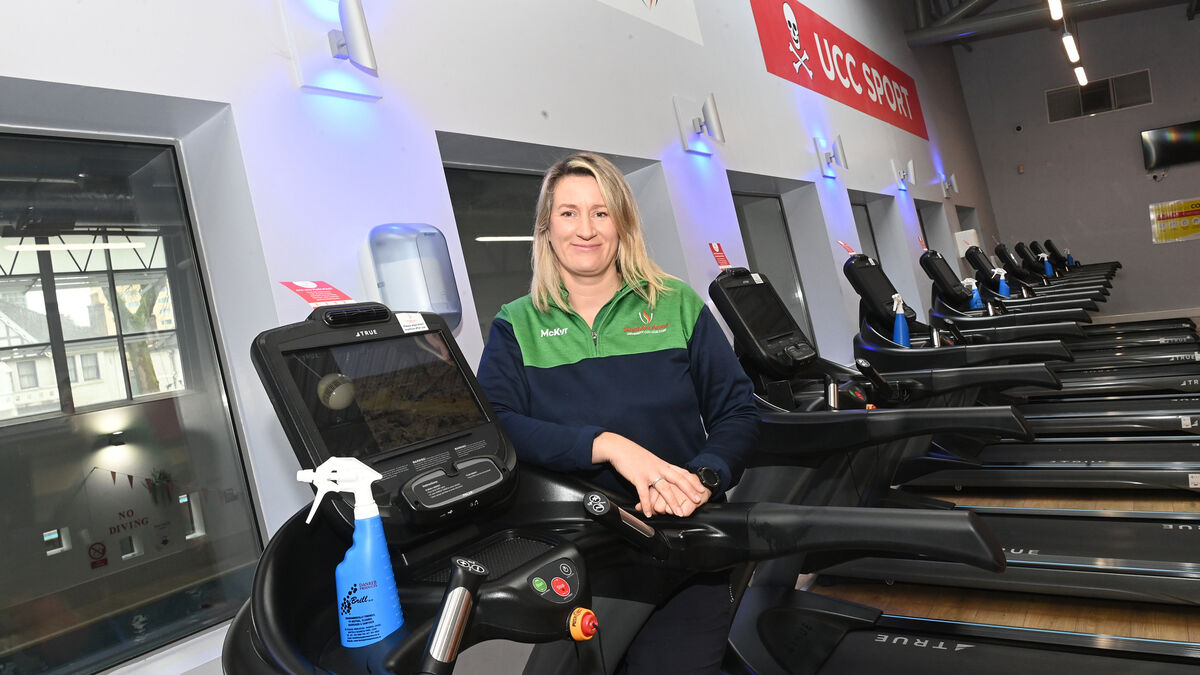
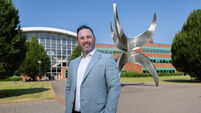
Claire Murphy at Mardyke UCC Arena, University College. Picture: Larry Cummins
WHEN does someone become classified as an Older Adult?
The World Health Organization states that chronological age is a typical way to quantify aging. And somebody over 65 is typically referred to as elderly.
Additionally, most people retire at this age. However, aging is not a constant and can be influenced by a person's genetics, lifestyle, and general health. A 75-year-old, for example, might be in better health than a 60-year-old.
A concept known as "successful aging" aims to measure health span rather than life duration.
A low degree of illness and/or impairment attributable to illness, a comparatively high level of physical and cognitive functioning, and an active and fruitful participation in life's activities are all considered indicators of successful aging as well as intrinsic capacity which is defined as the composite of all physical and mental capacities that an individual can utilise at any point in their lifetime and functional ability to carry out daily tasks requiring a sustained aerobic metabolism is reflected in the evaluation of functional capacity.
An individual's ability to function is determined by the state of their skeletal muscle, cardiovascular, and pulmonary systems.
While aging is unavoidable and impacted by a variety of factors, being active can reduce the rate of aging and lengthen life expectancy.
Never give up on something you've always enjoyed, like running or tennis, just because you've reached a certain age, like 70 or 80. You might feel the need to take a moment to relax at some time. However, stopping abruptly is not necessary.
Research indicates that substantial issues do not arise from aging alone until one reaches their mid-90s. And even at this old age, muscle mass, strength, and power can be enhanced.
People used to believe aging meant slowing down, that physical and mental decline was natural. But science has repeatedly proven that isn't the case. Slowing down is what causes physical and cognitive decline.
So, I hear you say, ‘I can’t stop my aging, but how can I slow the process?
Besides getting enough sleep, protect your skin with sunscreen, eat a balanced diet, manage your stress, is exercise.
You don’t need to rush off to your local leisure centre and take out membership, although it’s a great place to start to get expert advice on an exercise plan, and the social aspects of going to a gym or exercise class to meet and interact with new people on a regular basis.
This, for some, can be as important as the physical aspects – meeting and catching up with friends and learning new skills together.
If you have several chronic conditions, you may need clearance from a doctor to exercise and specialised exercise advice from a physiotherapist or other exercise professional.
Avoid the chair… preventing extended durations of sitting is crucial. Ideally, you should start with the activity you prefer.
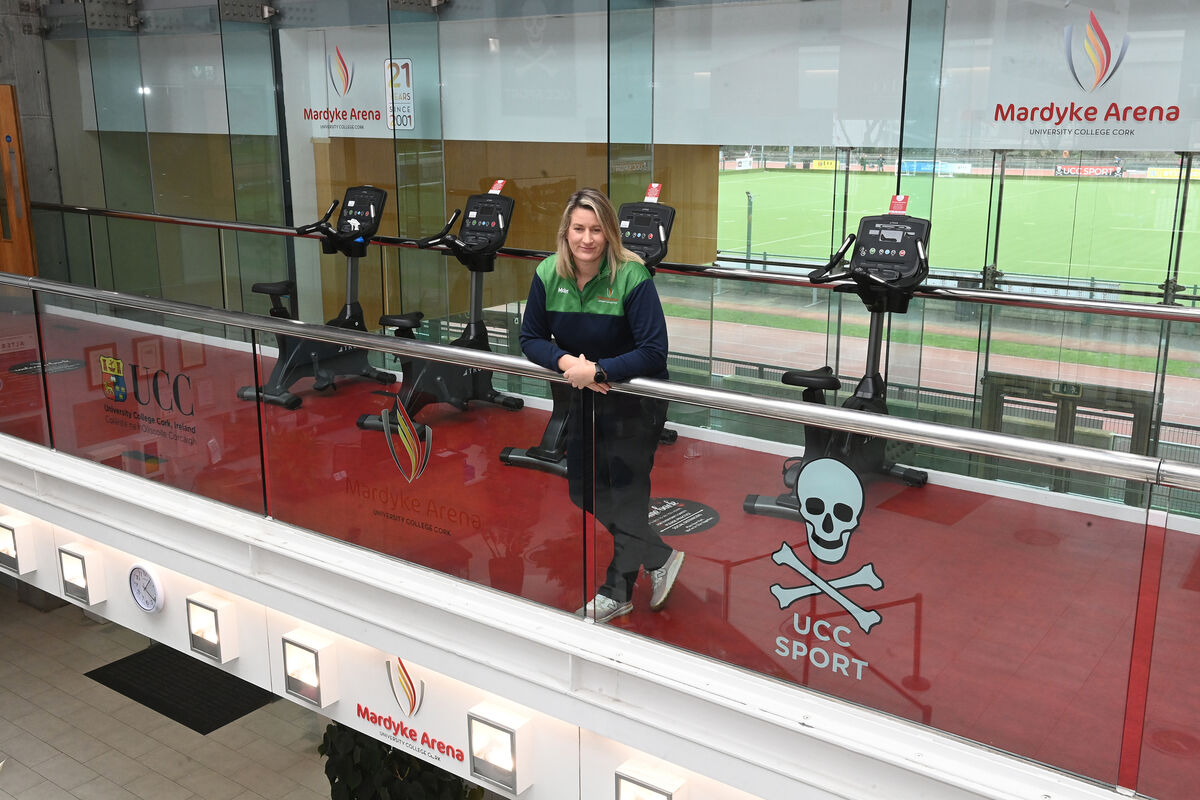
Perhaps going for a walk can be a great way to add meaningful physical activity into your day but can be uncomfortable if you have hip or knee problems; instead, try cycling on a stationary bike or water exercises like aqua aerobics.
Engage in some outdoor activities to enhance your mental well-being. Aim to gradually increase your aerobic activity intensity to the point where you start to perspire and experience increased breathing but can still hold a conversation.
Start off with a few minutes per day and increase gradually over several weeks.
The component of fitness that allows for balance and mobility is strength, which can sometimes be overlooked.
Balance is the ability to remain upright in a steady position.
As people age and if they don't stay active: muscle weakness reduces the strength and flexibility of joints, increasing the risk of falling.
The quality of life will rapidly deteriorate if you lack sufficient strength. Joint and bone health suffers in the absence of powerful muscles. Incorporate resistance training into every older adult fitness program to preserve independence, physical health, and overall well-being.
Functional training is an extremely useful method of improving fitness.
Enhancing your body's capacity to carry out commonplace motions like bending, twisting, and lifting is the main goal.
In other words, a functional workout fortifies your body in a way that makes it easier for you to carry out everyday tasks without worrying about being hurt, which is something that is more and more crucial as we age.
Check out the Mardyke Arena UCC website for more information on our Functional Movement classes and our Energise Your life Programme, set up in 2003.
This programme is specifically designed for older adults which includes classes like Aqua Aerobics, Pilates- Mat and Reformer, Yoga, Stretch and Strength classes.
It runs four mornings a week, Monday to Thursday and is a great way to exercise and meet new people.




 App?
App?


