Christy O'Connor on the unique history of Castlehaven: Family roots drew key players west
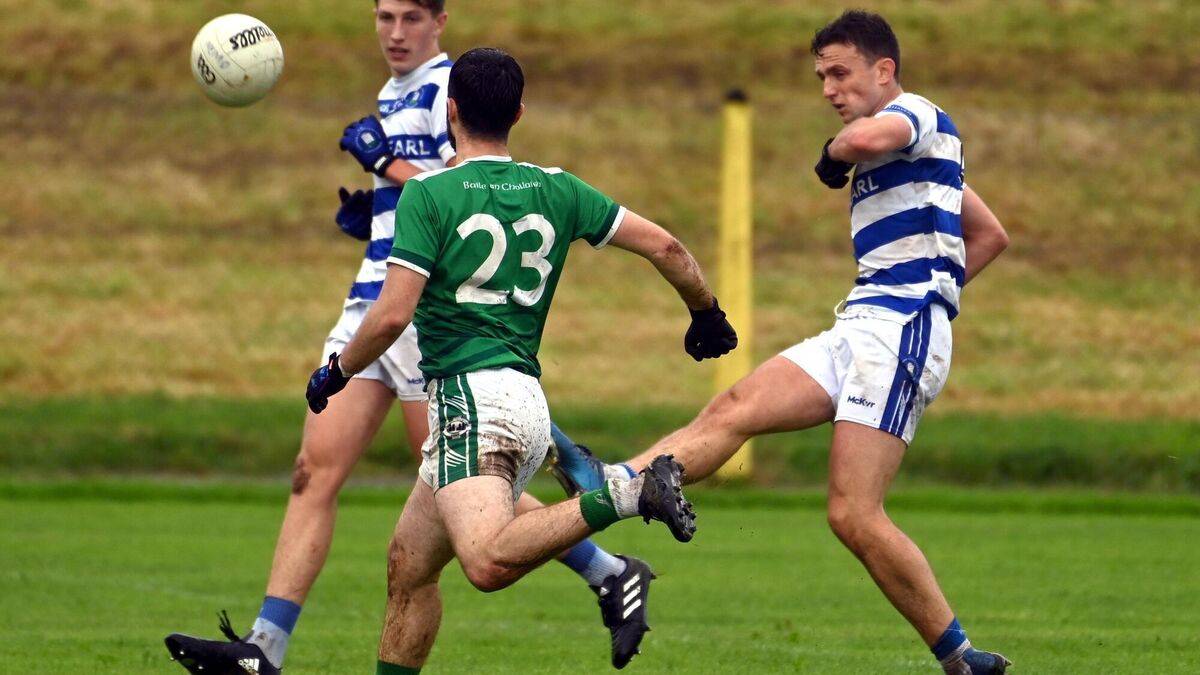
Castlehaven stalwart Mark Collins shoots over a point against Ballincollig in their victory at Enniskeane. Picture: Eddie O'Hare
IN his radio co-commentary during the Castlehaven-St Finbarr’s semi-final a couple of weeks back, John Fintan Daly referred to Castlehaven as “a totally unique” club.
The thrust of Daly’s assessment was based on the volume of second-generation footballers they had on the team that didn’t grow up in the Haven, but whose connection to the place is as special as those that did.
The prime example on the pitch ahead of Daly was the three Cahalane brothers – Damien, Conor and Jack.
It wasn’t a once-off as it was the fourth successive football semi-final between the clubs, the first two of which were decided after penalties. When Mark Collins slotted the winning penalty for the Haven in the 2020 semi-final, Jack Cahalane was the first to reach and embrace Collins in the group sprint.
On the same Páirc Uí Rinn pitch a couple of weeks earlier in 2020, the youngest of the Cahalane brothers scored 2-2 for the Barrs in their minor hurling final win, securing a first title in the grade for 23 years.
The Cahalanes were born into the culture of Castlehaven, just like a host of their Castlehaven team-mates who also grew up outside the Haven; Mark Collins, Rory and Cathal Maguire and Shane Nolan.
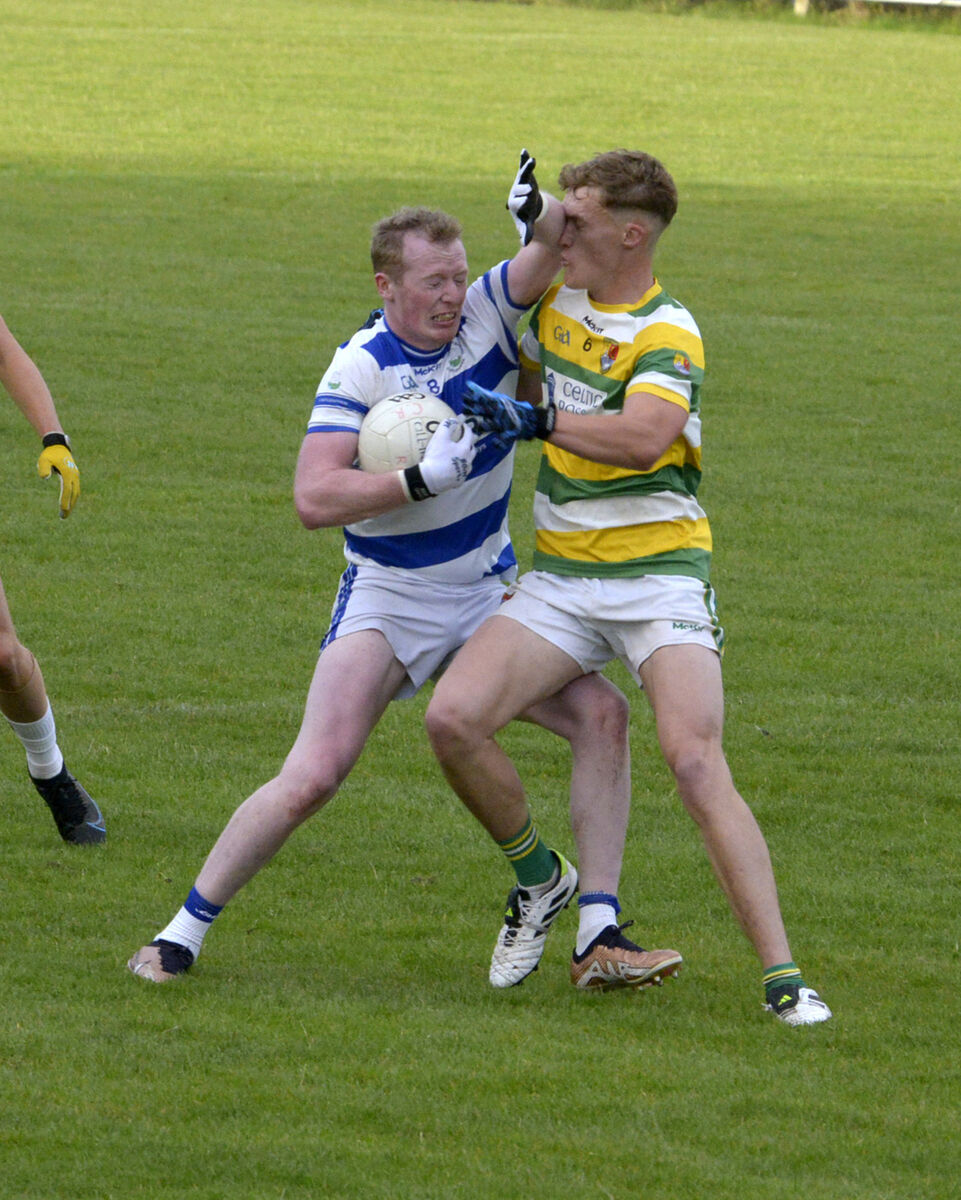
Nolan won two county medals with Valley Rovers in Intermediate A and Premier Intermediate before the pull of the Haven proved too much. Although the Cahalanes began their hurling careers with the Barrs, kicking football with the same players was never an option.
“It’s a natural thing for us to gravitate back to Castlehaven,” explained Damien Cahalane to Tony Leen in the ‘ ’ in 2010 when he was still only 18. “I played underage football in the city in street leagues, but I could never see myself playing with anyone else but Castlehaven.
Those family connections to Castlehaven have added to their lustre and lore as a club. Not every St Finbarr’s football supporter may have seen the Cahalane’s loyalty in such a black-and-white manner in recent years, but the majority of them would have understood the depth and feeling of the Cahalane's emotional attachment to Castlehaven.
That was obvious from the moment the Haven first started making waves in Cork football. When they won Junior and Intermediate titles in Cork in 1976 and 1978, nobody expected them to make the splash they did in 1979 when going senior for the first time.
They came out of Division 3 that year, defeating Dohenys, Glanworth, Na Piarsaigh and Bantry Blues before beating UCC in the quarter-final by one point and shocking Nemo Rangers – the reigning All-Ireland club champions - by the same margin in the semi-final.
St Finbarr’s beat Castlehaven in the final by 10 points before a crowd of 20,000. But it was still some story considering that the Haven had been a Junior B outfit just 10 years earlier.
At that time, the team was driven by the seven Collins brothers. Given the numbers game, the general belief in Cork at that time was that as soon as the Collins’s packed up, or weren’t able to play anymore, Castlehaven would go back down Junior. And remain there.
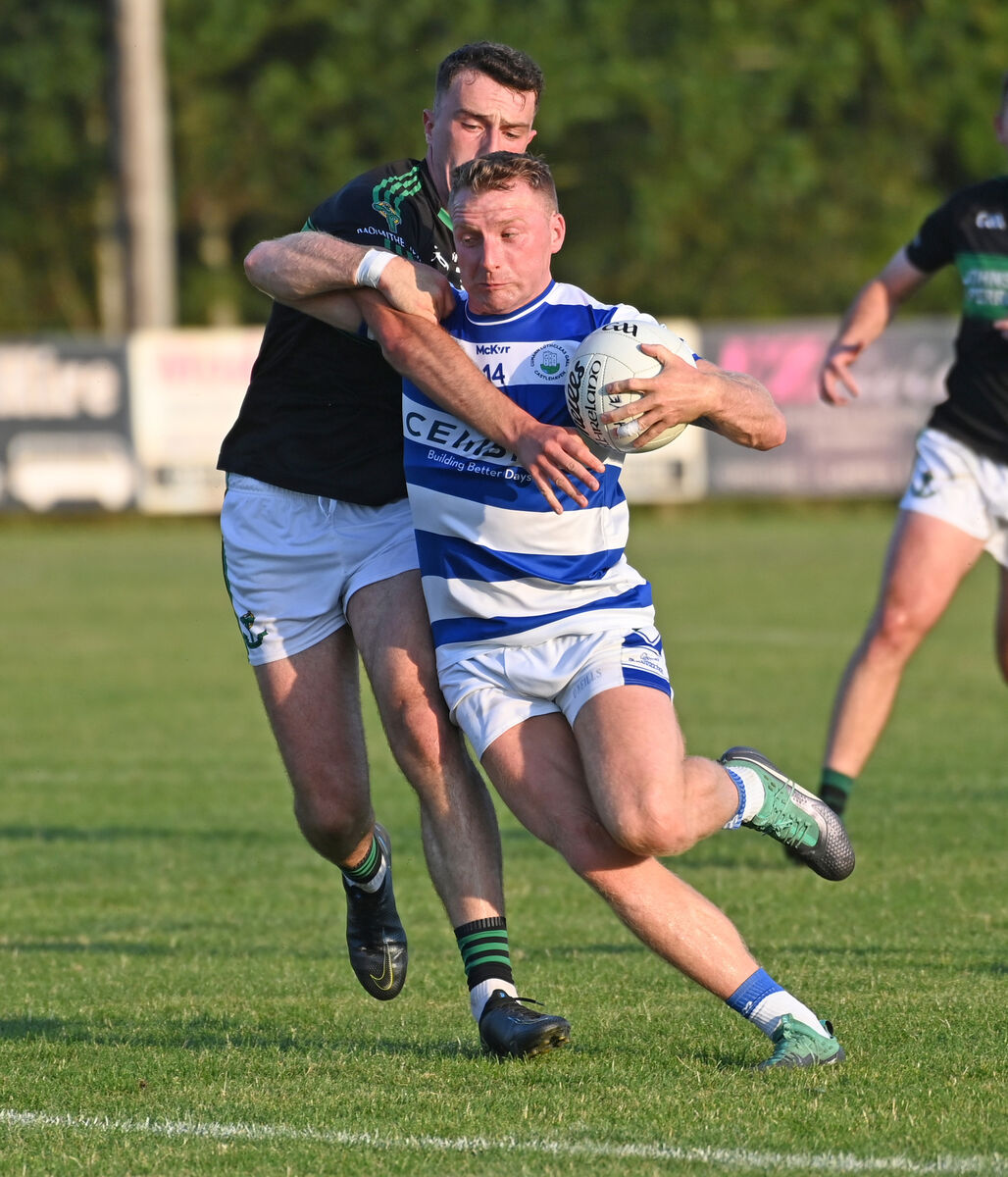
Yet some of the key roots of their future were also evident in that 1979 squad, which included two 16-year-olds – Niall Cahalane and John Cleary. That future was much more positive than many outside the club had envisaged it possibly could be.
Between 1980-’83, Castlehaven won four successive West Cork U21A titles, going on to win county titles in 1981 and 1983. When Vincie and Anthony Collins played with Larry Tompkins in New York in the mid-1980s, their passion for Castlehaven was so raw and pure that it convinced Tompkins to come home to Ireland and transfer back there.
All of the Collins brothers had played in the 1979 final but Francis was the only one left for the 1989 final, while Christy was part of the management team. The older generation who never thought they’d see the Haven win a county senior title finally got the day they all dreamed about when beating the Barrs.
The Haven didn’t have the success of Nemo – no other club could – but it’s interesting to look back now and realise just how important the 1970s was to both clubs’ history, and the importance it played in their establishment as modern club powerhouses.
The Haven’s progress really began in the latter half of that decade whereas Nemo’s crusade to becoming the most successful football club in the country originated at the outset of the 1970s.
Similar to Castlehaven, Nemo didn’t just arrive on the scene and suddenly become a force.
After reaching their first final in 1970, Nemo lost to Muskery by one point before losing the 1971 final to Carbery by two points. As well as having to watch Carbery beat UCC in the final by six points, it was the third year in a row that the team that beat Nemo went on to win the county title.
When Nemo finally made the breakthrough in 1972, defeating UCC in the final, they discovered what it was like to win county titles. And they have never lost that feeling since.
In a different but similar way to Castlehaven, Nemo are absolutely unique.





 App?
App?


