Paudie Kissane on player development: Underage stars don't always have what it takes for senior
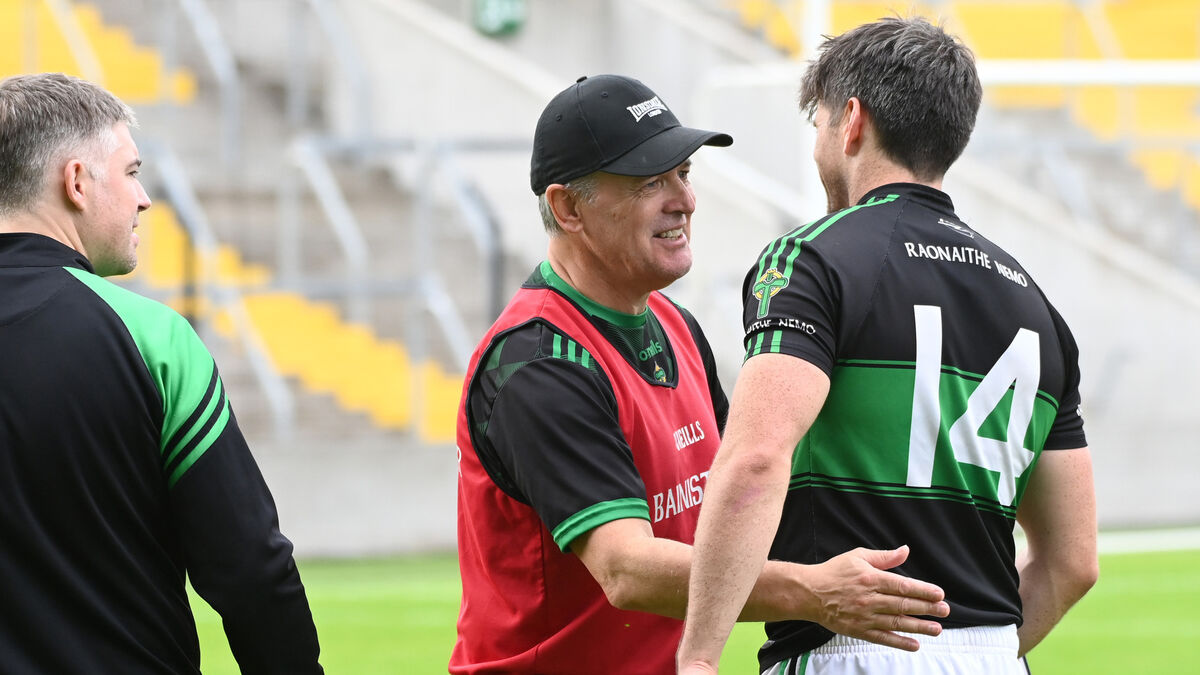
Nemo Rangers manager Paul O'Donovan benefits from the club's strong underage structure which focuses on player development. Picture: Eddie O'Hare
IT is hard not to feel envious of the teams contesting county finals.
It is those feelings though that drives the commitment and preparation in many. Some will think 'we were just not good enough' while others will think 'we did not prepare well enough!'
Once the initial disappointment of the championship exit has ceded, players and mentors alike can enjoy other activities away from the GAA grounds. Family life can benefit as it is no longer secondary to training schedules, matches, and individual sessions.
Only when the season is completed and you step back, you see the huge role GAA has in people's lives whether that be as a player, coach, member or administrator. A break from the GAA is important too but what is sometimes missed is the opportunity to reflect properly, acknowledge want went well and identify areas for improvement.
In many cases and for different reasons a manager may finish their term and the process of finding a replacement takes over and the review process is forgotten about. This is relevant to all levels from juvenile to adult.
With young players you want them to be competitive but winning and results are often seen as the only indicator of progress.
Did the team have a few superior players who ran amok down the middle again and again?
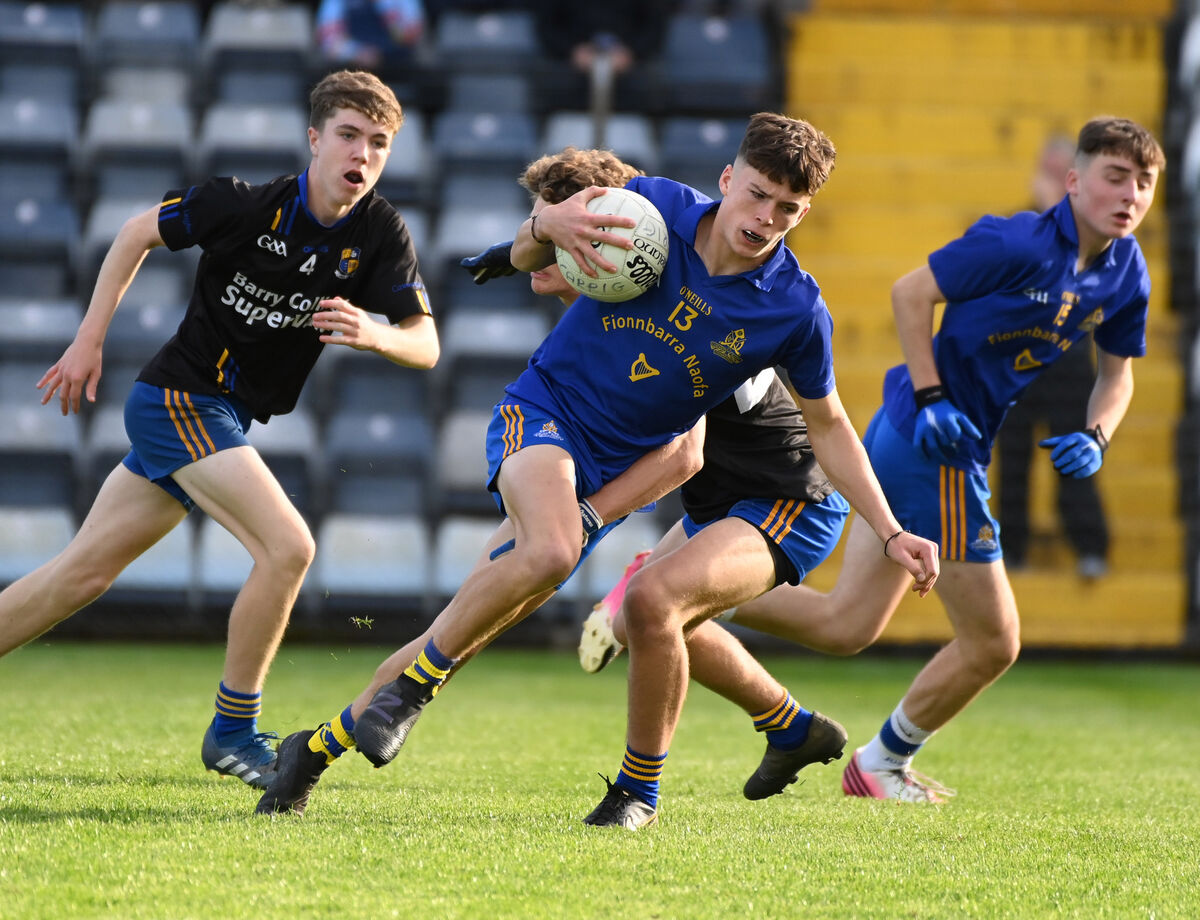
These types of questions must be answered to understand why a team is getting results. Learn from each other regards coaching practices that went well but you must create opportunities to improve each year. This is what player development is about. Sometimes good coaching didn’t play a part!
At underage, decisions must be made based on player retention long term as much as it is on producing better players at adult level. These two areas should be part of the same club plan. The right focus on player development should also improve player retention.
A review process must also happen if results have been disappointing. It is too easy just to decide the players were not good enough or physically strong enough. Or to say 'I kept telling them what to do but they just won’t do it come match day'.
What is often unclear is what is deemed good enough from a physical, individual and team perspective, and what processes are in place to develop them. Sometimes the 'good players' aren't as talented as you think, particularly when looking at abilities required beyond juvenile.
Many coaches are retired players who now design sessions based on their own experiences as a player. Yes, playing experience can be very helpful but it can be very biased. Your experiences as a player might be the exact opposite of the age group need.
Many retired players were trained rather than coached but don't realise this. This is where the problem starts.
While I highlight it as a problem it is not case of the coaches being wrong but rather, they just do not know any better.
It can be difficult in clubs to complete this review process as it depends on different relationships involved and the most recent club culture or what's been deemed best practice on player development. You need strong leadership from the top, while in certain cases this process needs to be overseen by an external person.
People need to be challenged but also made aware it is actually about supporting the coach and making them better rather than looking to derail them. You can get examples where some people feel they must always have the final say because that’s the way it has always been!
They struggle to listen and admit they don’t have all the answers and accept that either way, they do not need to have all the answers.
A club needs to identify the type of players it needs to be competing successfully at adult level. Then work back from here and create a pathway through the underage structure. This process is not linear and takes constant refinement.
Once the areas have been identified, then create the solution. Tailor your coach development to what your club needs and don't just copy what others are doing.
Each club is unique in its own way but get your coach development right and you have the potential for greater playing numbers and playing ability come adult level.







 App?
App?


