Christy O'Connor: Open Croke Park up to more clubs now it’s available
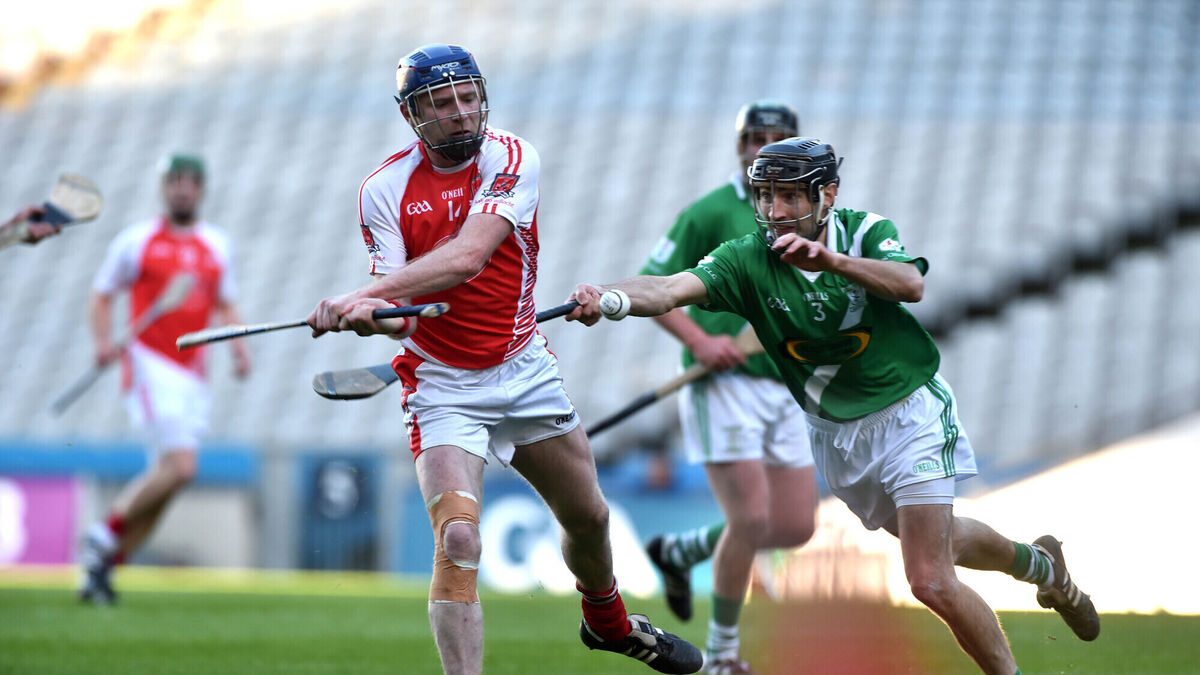
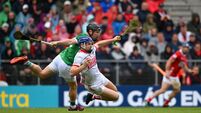
Mayfield's Shane Kelly takes on Mooncoin's Niall Mackey at Croke Park in 2017. Picture: Eddie O'Hare
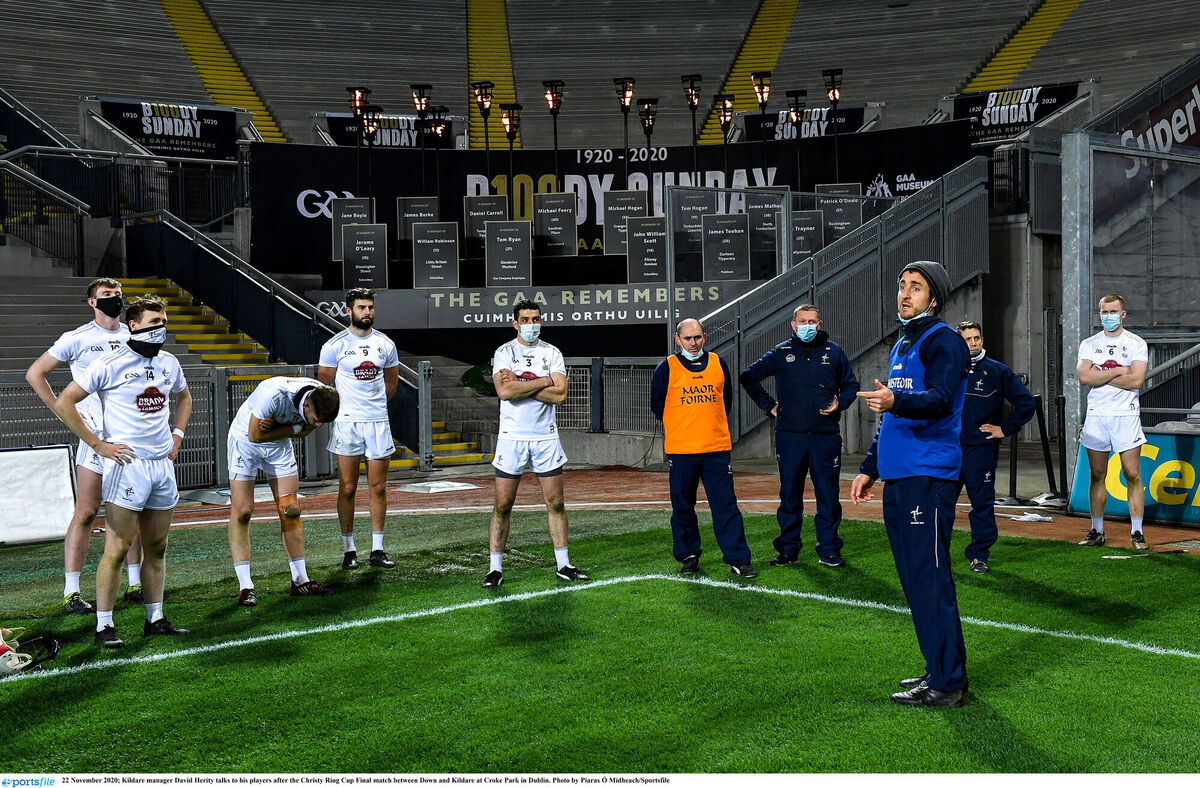
IN 2008, David Herity was the Kilkenny football captain when they played London in a curtain-raiser to the Kilkenny-Tipperary league semi-final, the biggest crowd to ever watch the Kilkenny footballers.
The footballers won. The hurlers lost. That reality existed in a parallel universe in Kilkenny but that was the world Herity inhabited at that time.
Six weeks later, in late May, the footballers played Wicklow in the junior championship in Nowlan Park. The hurlers were training afterwards. As Herity made his way to the toilet, he passed Brian Cody, Martin Fogarty and Mick Dempsey. They called him back and asked if he would come in training with the senior hurlers.
Herity went on to win five All-Ireland senior hurling medals, two as a starter. When he retired at the end of 2014, he returned to the Kilkenny footballers. That season in 2015, he won a British Junior championship after Kilkenny defeated Gloucestershire, Lancashire and Scotland. It was a different world from big hurling days in Croke Park but Paul Murphy followed the same path this year.
Having retired from the Kilkenny hurlers in 2021 with an impressive haul of four All-Ireland senior medals and four all-stars, a call from football manager Christy Walsh persuaded him to sign up with the footballers for the season. And the main motivation was to get back to Croke Park, this time with the footballers.
“I’m happy to put my shoulder to the wheel and do a service for the footballers,” said Murphy on ‘ ’ in late June. “And if we get a day out in Croke Park, brilliant.
It was the same for all four teams involved in the All-Ireland Junior semi-finals played in early July – Kilkenny, Warwickshire, London and New York. The prize for the winners was all the greater again with the final played as a curtain-raiser to the Dublin-Kerry senior semi-final.
London had been in Croke before in a Round 4 qualifier against Cavan in 2013 after contesting the Connacht final. Yet the profile of the London team has radically changed in the intervening decade. Back in 2013, there were only three native Londoners in the squad and only one on the team – Philip Butler.
When London met Mayo in the championship three years later, the team contained four London-born players, along with four more on the bench. Now? This year’s squad was dominated by London players.
The underage coaching drive and the success of underage teams in the Féile Peil na nÓg competitions has helped to drive the transformation.
In this year’s league, London had their greatest campaign in memory, beating Carlow, Waterford and Leitrim in the opening three games. They were well beaten by Sligo but London lost to Cavan by just one point before going down to Tipperary by five points.
The Junior team was made up of players who are born and bred Londoners. Michael Maher, the London senior manager, said before the Junior semi-final that whenever their campaign ended, he planned to take around half a dozen players into his senior squad.
Most of the Warrickshire players are home-grown. The New York senior team will always be reliant on Irish born players but the coaching culture in the US has also seen the numbers of homegrown players go through the roof – there were ten ‘natives’ on this year’s squad which played Sligo in the Connacht championship, and Offaly in the Tailteann Cup. This year’s Junior side was also packed with players of a similar background.
Two years of the pandemic restricted the participation of New York and London in the championships here but the Junior championship also provided Kilkenny with an opportunity to return to competitive action, which they availed of when beating New York in the final. Yet the All-Ireland Junior championship afforded players from all four teams the opportunity to try and get to Croke Park.
In 2020, the GAA significantly enhanced the prize pool to its National Club Draw with the added incentive of winning the chance for a club to play on the hallowed turf of Croke Park.
Kilbrin were pulled out of the hat and were afforded to play in the hallowed venue against a team of their choice. They chose to play Cú Chulainns of London. It was no surprise as there are close family ties between the two clubs. Numerous players from the club had also lined out with Cú Chulainns over the years.
The game was supposed to take place in April 2020 but was cancelled and never played because of the pandemic. Kilbrin are hoping that it may be but it should. Kilbrin deserve to be allowed follow through on the opportunity they were initially granted. More importantly, it should open the door to even more of those opportunities.
A Tweet by ‘ ’ journalist Cahair O’Kane a few months back touched on that subject.
‘Random idea,’ wrote O’Kane. ‘Imagine the GAA rotated Croke Park to counties every year to host adult club finals – one or two counties a year. Senior, Intermediate, Junior football, hurling, camogie. How class would that be for clubs that would never get close to playing in Croke Park through All-Irelands. Some incentive.’
It was a brilliant idea. Of course there would be huge logistical costs and headaches for clubs travelling long distances, but the GAA could set aside a fund to cover those costs.
Croke Park is ultimately about winning, but an incentive like this gives more clubs the opportunity to play on the hallowed turf. Especially now that Croke Park is unused for so much more of the year than normal


 App?
App?


