Port of Cork preparing for the future as it plans move from city centre
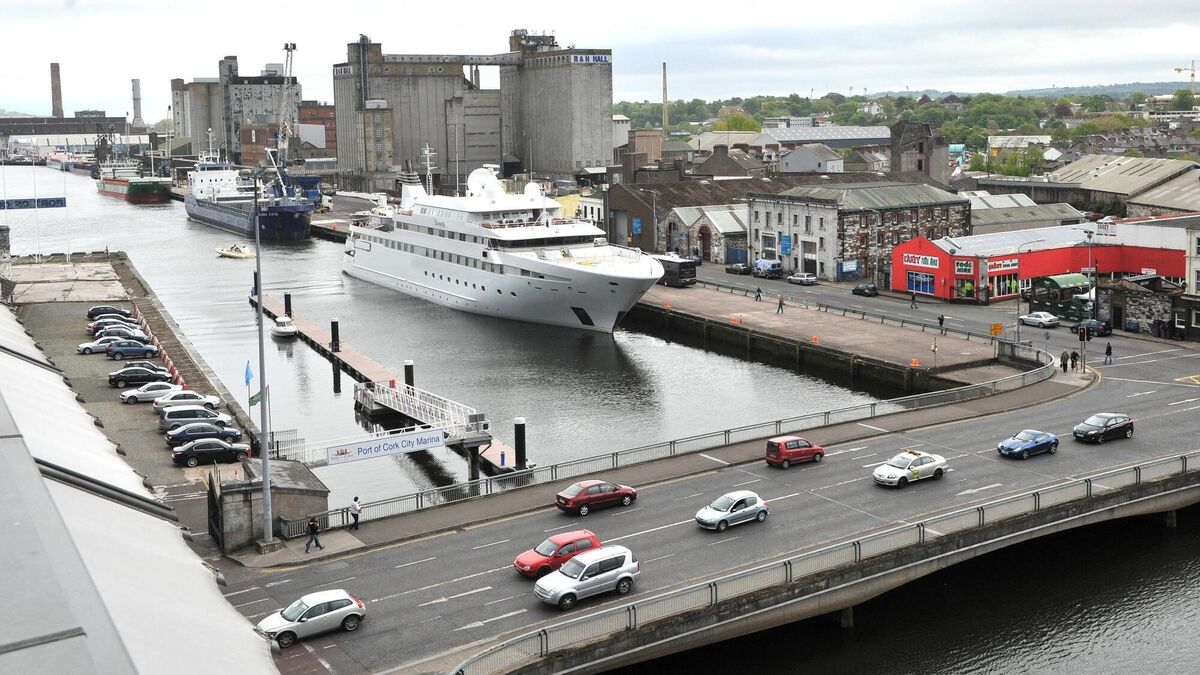
The yacht Lauren L berthed at Albert Quay at the Port of Cork. The port’s masterplan outlines its ambitions for the next three decades. Picture: Dan Linehan.
Read More
The yacht Lauren L berthed at Albert Quay at the Port of Cork. The port’s masterplan outlines its ambitions for the next three decades. Picture: Dan Linehan.
The Port of Cork plays a central role in Cork’s, and wider, economy, with that role set to expand over the months and years ahead.
The port’s masterplan outlines its ambitions for the next three decades, providing an integrated framework for the facility to strategically plan and adapt to meet the needs of Ireland’s increasing social, economic and environmental development.
A key element of the plan is supporting the accelerated growth of the fixed offshore renewable energy (ORE) sector.
The plan also includes a roadmap outlining the port’s ‘River to Sea’ journey, which aims to consolidate all activities in the lower harbour by 2050.
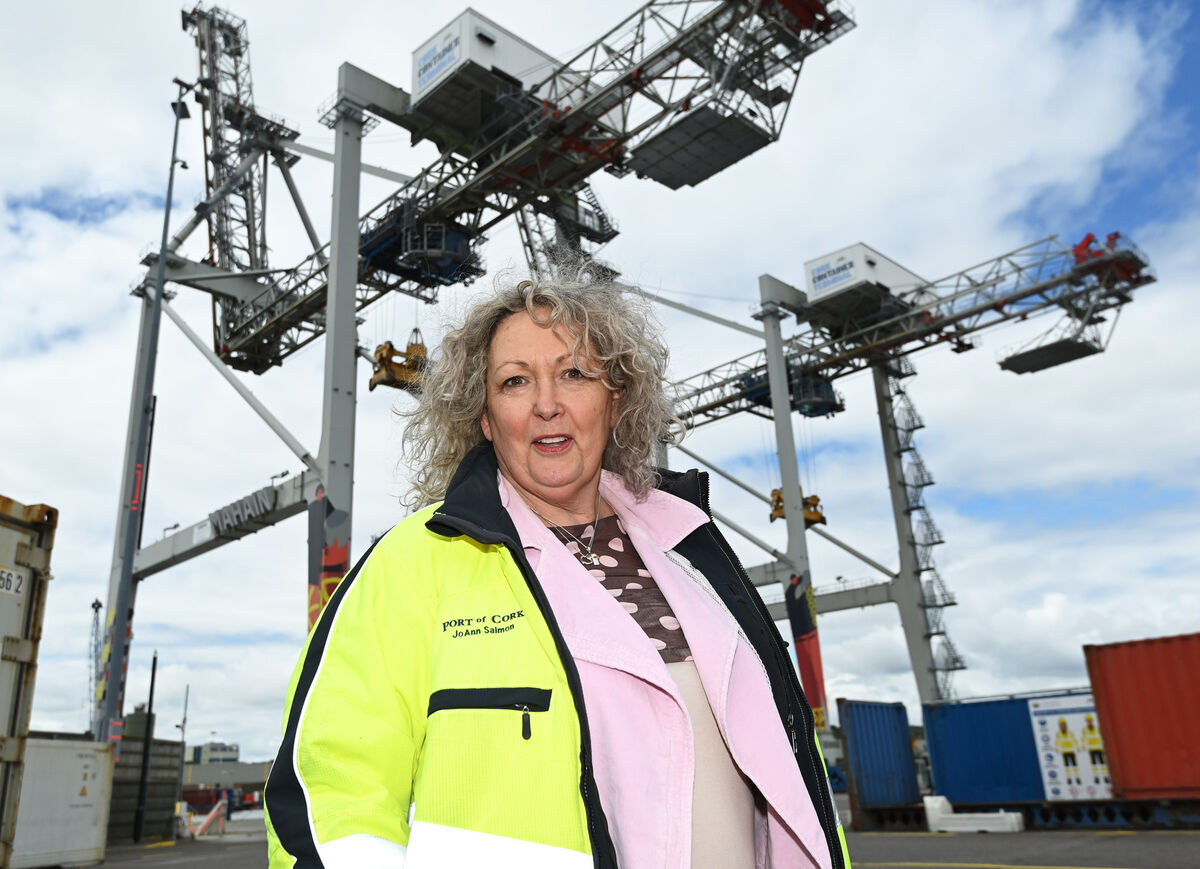
Of all the different departments and roles which keep operations ticking over at the port, one of the most important is carried out by JoAnn Salmon, the safety and quality systems manager.
JoAnn leads the health and safety function and has been working at the port for more than a decade.
As the port’s workers undertake their daily duties and tasks, it is JoAnn’s responsibility to ensure employee safety on-site.

She constantly strives to improve and promote a positive health and safety culture.
“My job is to make sure everyone goes home with all of their fingers and all of their toes – as happy and healthy as they were when they came to work.”
Safety practices evolved
She says that as occupational health and safety practices have evolved in the last 20 years or so, we should not just be safe at work and uninjured, but work should add to our health, both mental and physical.
“In this room we will be having a mental health first aid course,” she says, pointing out the location of the workshop.
“It is not just about physical safety, although that is essential. Ports and docks in Ireland have had a pretty poor track record. In the last 15 years, there have been 20 or so fatalities. So it is a very dangerous industry.
!But having said that, it is not just about keeping the lads safe, it is about looking after them, from a mental and physical health point of view.”
The role also requires JoAnn to ensure the safety of passengers arriving into Cork on the cruise liners.
“The age profile and demographic of your typical cruise passenger is quite old. You need to get them on and off the ship safely without creating any trip hazards, especially in wet weather – that is very important.
“So in my role, you are introspectively looking inwards at our own lads and lassies and making sure that they are fine.
“Then you are looking at the wider port community. And then you have to look at the general public and the people that are affected by our operations.”
Seasoned pilot
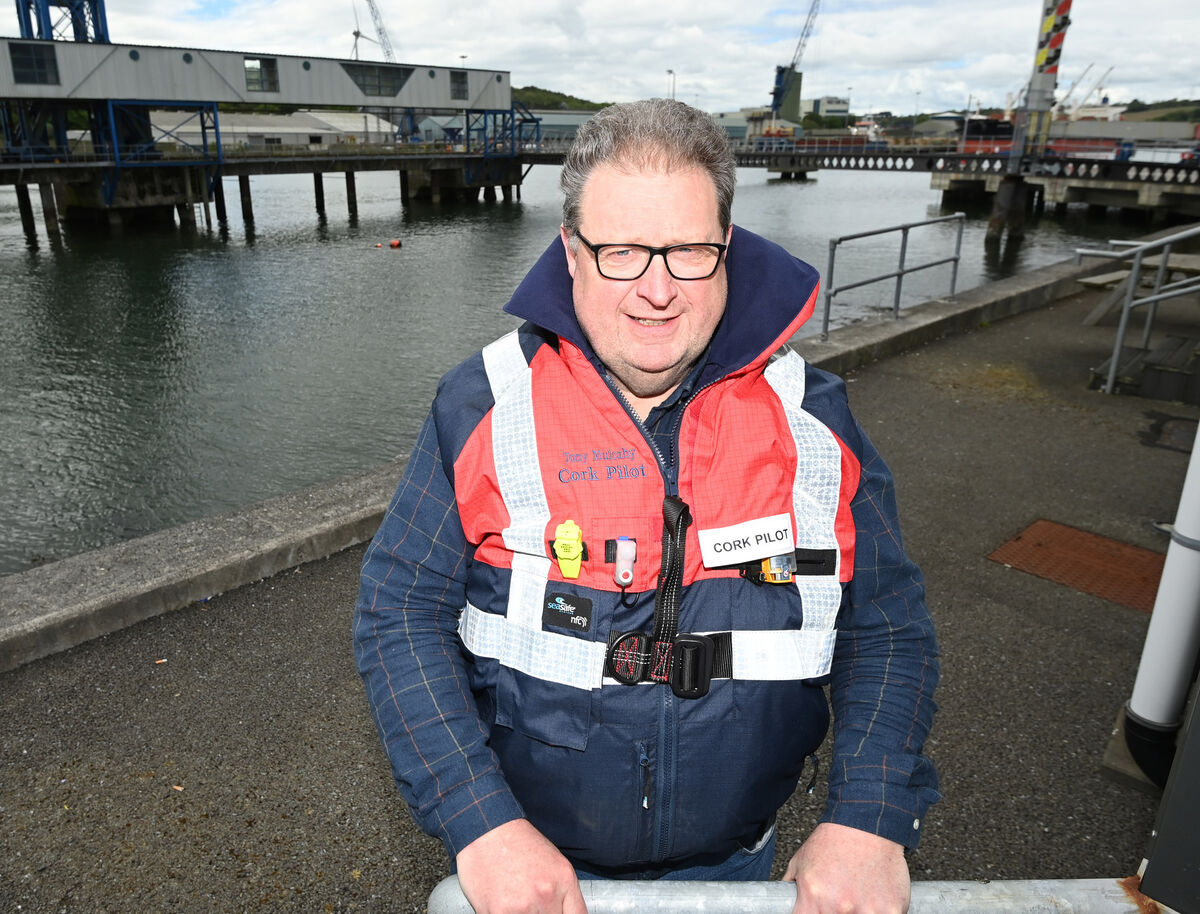
Port of Cork pilot Tony Mulcahy was born and raised in nearby Cobh, and is a seasoned pilot at the port in what he calls his dream role.
“For a long, long time I always said I wanted to be a pilot in the Port of Cork. It took a long time to get here, but growing up in a harbour like this, you can’t help but notice the sea and be involved.”
Included in Tony’s role as a pilot is to go out into the harbour and board the vessels that need to navigate safely in to dock in the harbour.
Taking temporary command of the ship, Tony will navigate through the intricacies of the inner harbour’s rocks and islands.

“We go on board the ships and we go out on the pilot boat. We board the ships to assist the captains to safely manoeuvre their vessels within the port, in and out.
“We bring the ships in. If we don’t bring the ships in, there is no work for the rest of the port to do on them.”
He adds that the best part of his role is the teamwork.
“We work closely with the guys on the pilot boat, the guys in port operations, the berthing masters, and the linesmen who take the line. So there is a team involved in our work.”
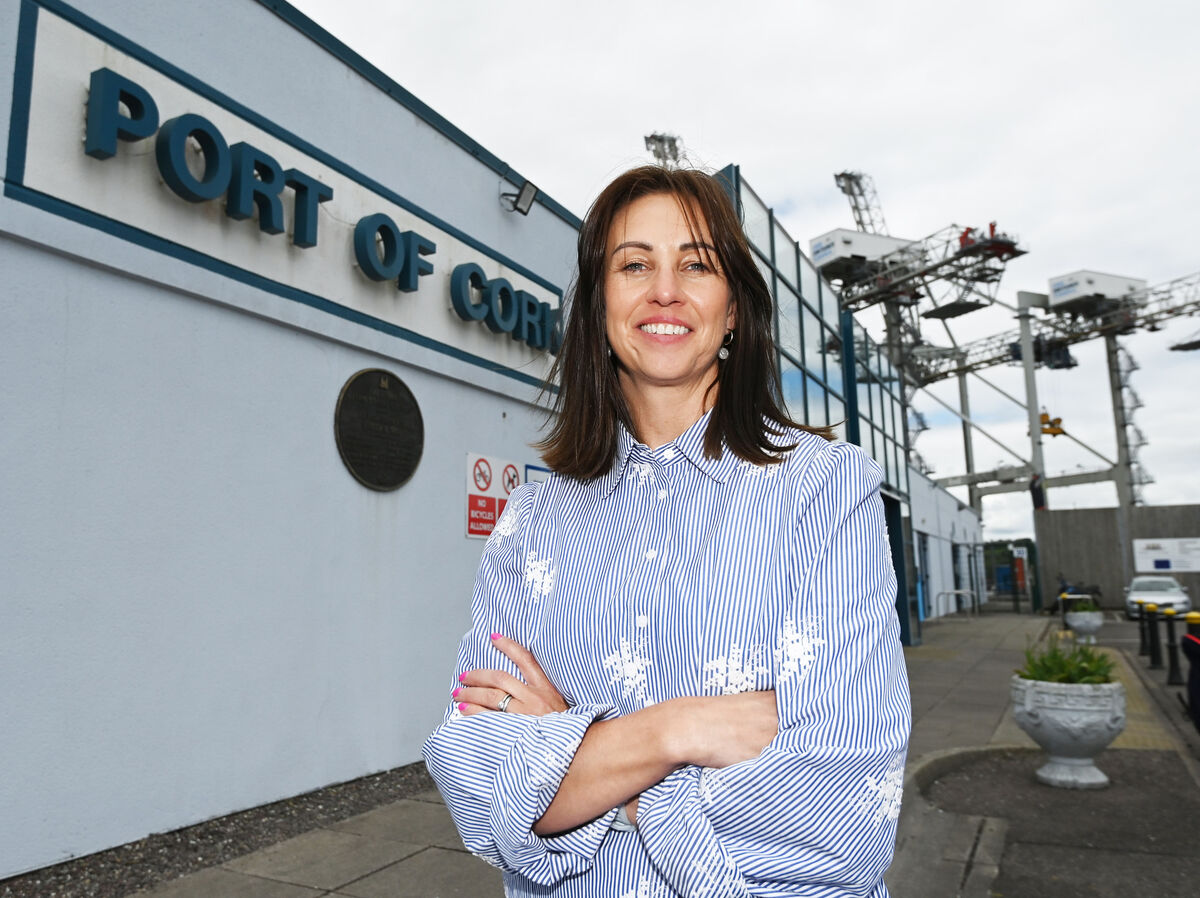
Eimear Cussen is a commercial executive, who has been working in the port for nearly 25 years. She works with the commercial team, which includes day-to-day customer liaison and supporting the business development activity of the port.
Importance of port highlighted
The importance of the port, in terms of delivering fuel and goods, was highlighted by the recent fuel protests.
Eimear also can vouch, from her own experience, that the workers here are very much the definition of the term ‘essential workers’.
“The Port of Cork is a 24/7 operation,” she explains. “We do not close and we cannot close. We are open 365 days of the year. I don’t know if people realise that.
“During Covid, for example, when the country was shut down, all of my colleagues were still working.
“They were still getting up on cranes. The ships were still coming in and the food was still brought to the table.
“There are storm warnings and weather warnings. But the show still goes on in the port.”
She says that she loves working in the commercial department because it is so different and so dynamic.

“It is fast-paced and no two days are the same. I am out dealing with customers, clients and I could be liaising with my colleagues here. I could be in Ringaskiddy, or I could be in Cobh.”
The Port of Cork company recently announced its new corporate strategy for 2026-2030, setting out a clear and ambitious roadmap to secure its future as a world class, people-centred, sustainable gateway for Ireland’s trade and connectivity.
It also recently signed an all-island agreement with Belfast port to support all island economic growth and the delivery of offshore wind, guaranteeing its future for many years to come.
Keep up-to-date with the top stories in Cork with our daily newsletter straight to your inbox.
Please click here for our privacy statement.
Have you downloaded your FREE
App?

It's all about Cork!
Add Echolive.ie to your home screen - easy access to Cork news, views, sport and more