Cork's Bronze Age legacy still ‘relevant to modern life’
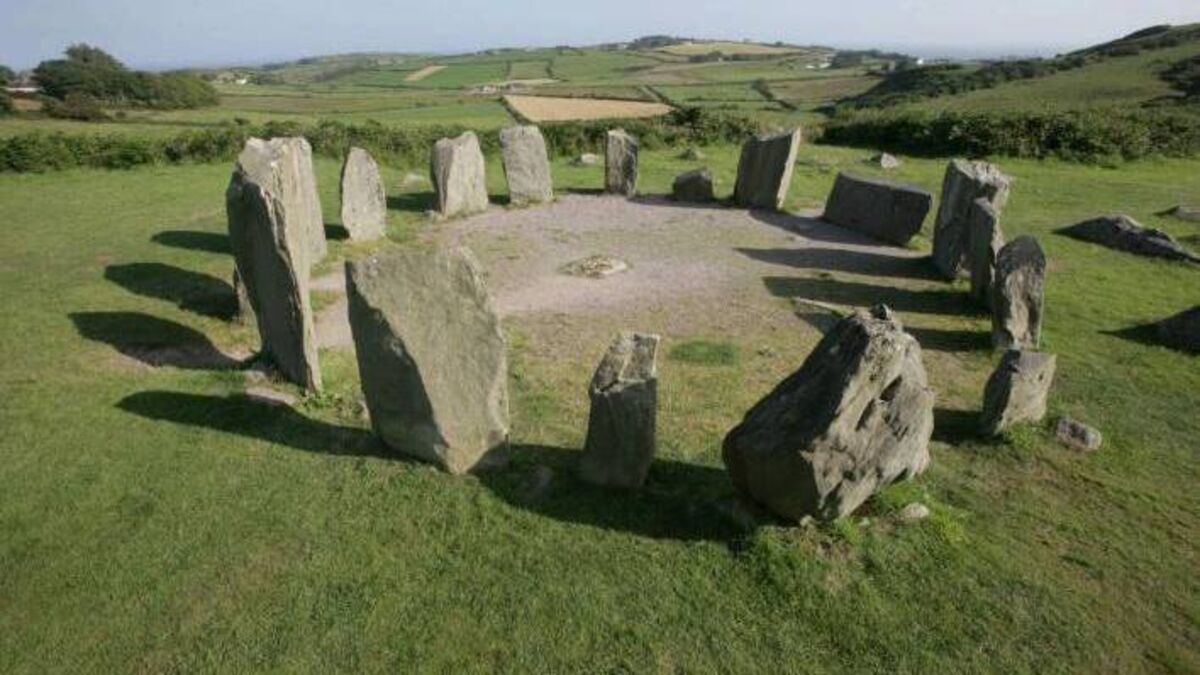
Drombeg Stone Circle, Co. Cork. Picture: Photographic Archive, National Monuments Service, Government of Ireland.
Drombeg Stone Circle, Co. Cork. Picture: Photographic Archive, National Monuments Service, Government of Ireland.
A new exhibition exploring the Bronze Age from a different perspective will be launched at the Cork Public Museum this month.
The exhibit showcases work undertaken by postgraduate students at University College Cork (UCC), and will examine how the world between 2500 and 500BCE was a dynamic and connected society shaped by metal-working and trade.
Objects featured in the exhibit detail aspects of daily life and ritualistic traditions, including metal-working, feasting, luxuries, and burials, revealing how people of the time lived, created, expressed identity, and commemorated their dead.
A UCC spokesperson said the exhibition highlights the traditions of an age when technological innovation and long-distance trade transformed society.
The spokesperson said objects featured in the exhibit from across Munster will show visitors “that Bronze Age life has parallels with our own”.
“Just like us, people in the past traded goods across Europe, were skilled craftspeople, displayed their wealth, and came together to celebrate or mourn,” the spokesperson said.
“By connecting ancient objects to universal human experiences and highlighting Ireland’s links to broader trade networks, this exhibition positions the Bronze Age as vibrant, innovative, and relevant to modern life.”

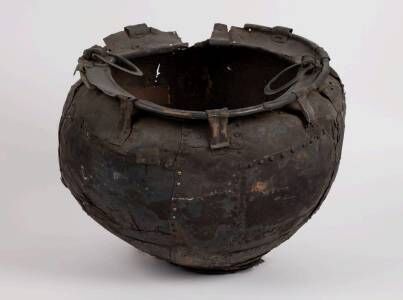
Highlights within the display include bronze axes, showing the importance of trade in copper and tin; an end-blown horn, expressing the extraordinary skill of craftspeople; and a rare cauldron, demonstrating the significance of feasting during community gatherings.
Visitors will also learn about luxuries, such as gold jewellery, which was hidden in bogs, and highly decorated vessels, left behind in burials to protect the remains of the dead.
“County Cork has a rich Bronze Age heritage, which is celebrated in this exhibition,” the spokesperson added.
“Visitors will be encouraged to continue exploring the deep history of the Bronze Age in Cork, at sites such as the ancient copper mines at Mount Gabriel or the Drombeg stone circle aligned to the mid-winter solstice.”
The free exhibition will open from May 29 and will remain in situ until late April, 2027.
Keep up-to-date with the top stories in Cork with our daily newsletter straight to your inbox.
Please click here for our privacy statement.
Have you downloaded your FREE
App?

It's all about Cork!
Add Echolive.ie to your home screen - easy access to Cork news, views, sport and more