‘Demoralising’ conditions in Cork Prison increasing tensions and stresses
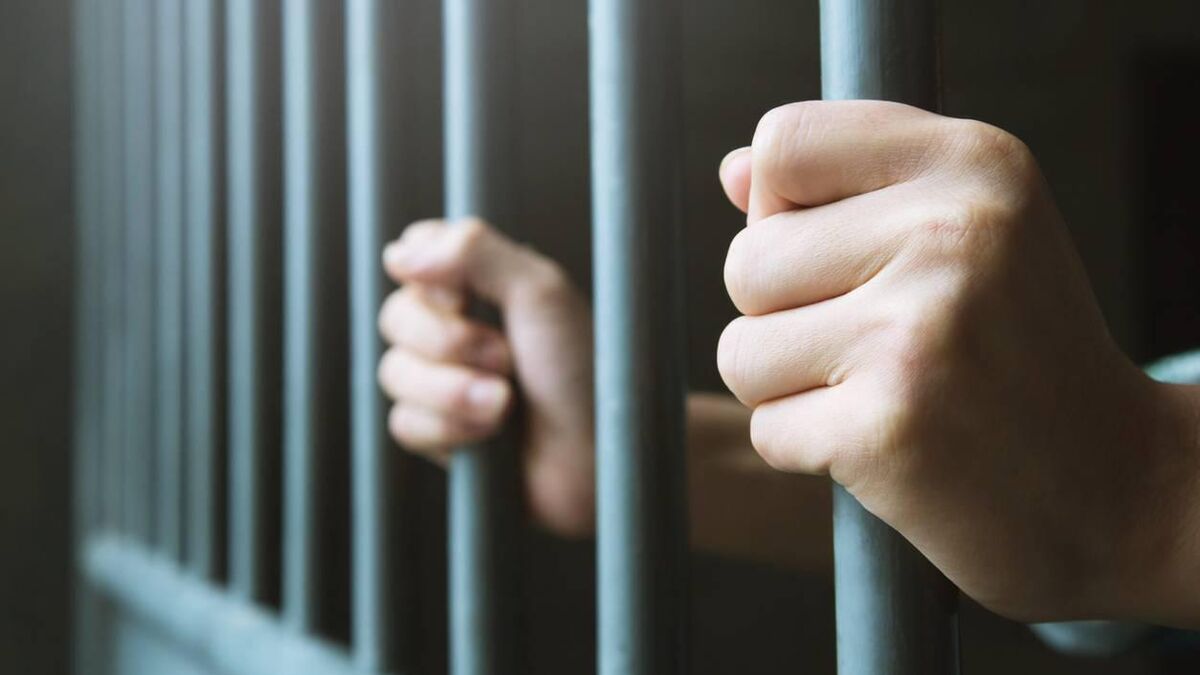
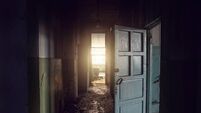
Prisoners spent between 13 and 23 hours in their cells each day, with prisoners who had jobs getting the most time out, while prisoners in the A1 and B1 landings got the least time out. Stock image.
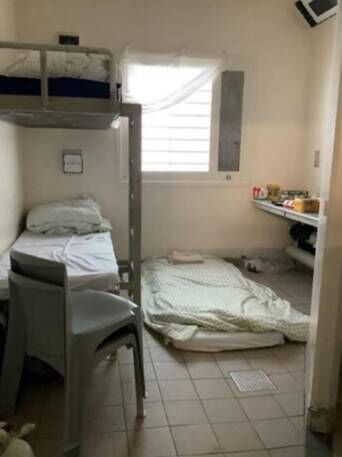
“Overcrowding in the prison increased the potential for tension and stress amongst people in prison”, inspectors said. Due to increased population size, more prisoners spent increased amounts of time in their cells, and had less opportunity to engage in activities and services.
A small number of inter-prisoner violent incidents occurred in the prison during the time of inspection, and in the days following, a severe incident of violence occurred in a shared cell, with one prisoner subjected to life-changing injuries.
On March 27, 2023, when the inspection was carried out, there were 304 people in Cork Prison. There were seven people on mattresses on floors of cells, and inspectors noted that there was a shortage of bedding and that some mattresses were in a poor state. However, this overcrowding has increased significantly since then, with 404 people incarcerated last Friday.
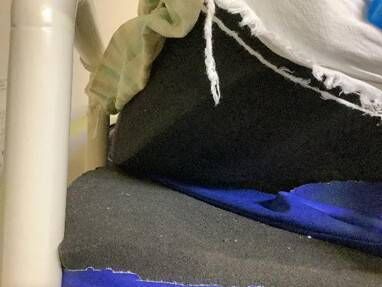
The prison was experiencing shortages in supply of duvets, sheets, pillows, and towels. Some mattresses and bedding were found to be torn or soiled, and in need of replacement. Each prisoner was provided with one towel each week, which was used following showers as well as in the gym, and also as a pillow by prisoners who did not have one.
Not all prisoners had access to soap and toothpaste, with the inspection team assisting one foreign national prisoner, who had been in the prison since early 2023, to obtain a toothbrush and toothpaste for the first time.
Officers trained to run workshops were often redeployed to other areas of the prison, which had “a demoralising impact on prison staff and limited the potential for prisoners to engage in purposeful activity”.
There was a wait list of more than 70 prisoners to attend woodwork class, but the woodwork shop in the prison had remained unused for more than three years.
The library was only open when the delegated prison officer post was not redeployed from the post, and redeployment was a frequent occurrence. The library had been closed for 68 of 91 days in Q4 2022, and across the 10 days of inspection, the library was open for five. Due to the rotational scheduling of the timetable, not all prisoners were able to attend the library over this time period.
The library post was rarely staffed on a Friday, which was the designated library day for prisoners accommodated on the A1 and B1 landings. Over Q4 2022, an officer was not assigned to open the library on any of the 13 Fridays.
The sports hall had not been open and accessible to prisoners for an extensive period of time, which was reportedly due to a leak in the roof and issues with staff resourcing.
The leak had recently been repaired, and two gym instructor officers were trained to facilitate access to the sports hall. However, the sports hall remained unopened to prisoners at the time of the inspection, apparently while discussions took place with the prison officers’ representation body.
Many people in the prison were not aware of the existence of the sports hall, and prison staff described the closure of the sports hall as a “waste”.
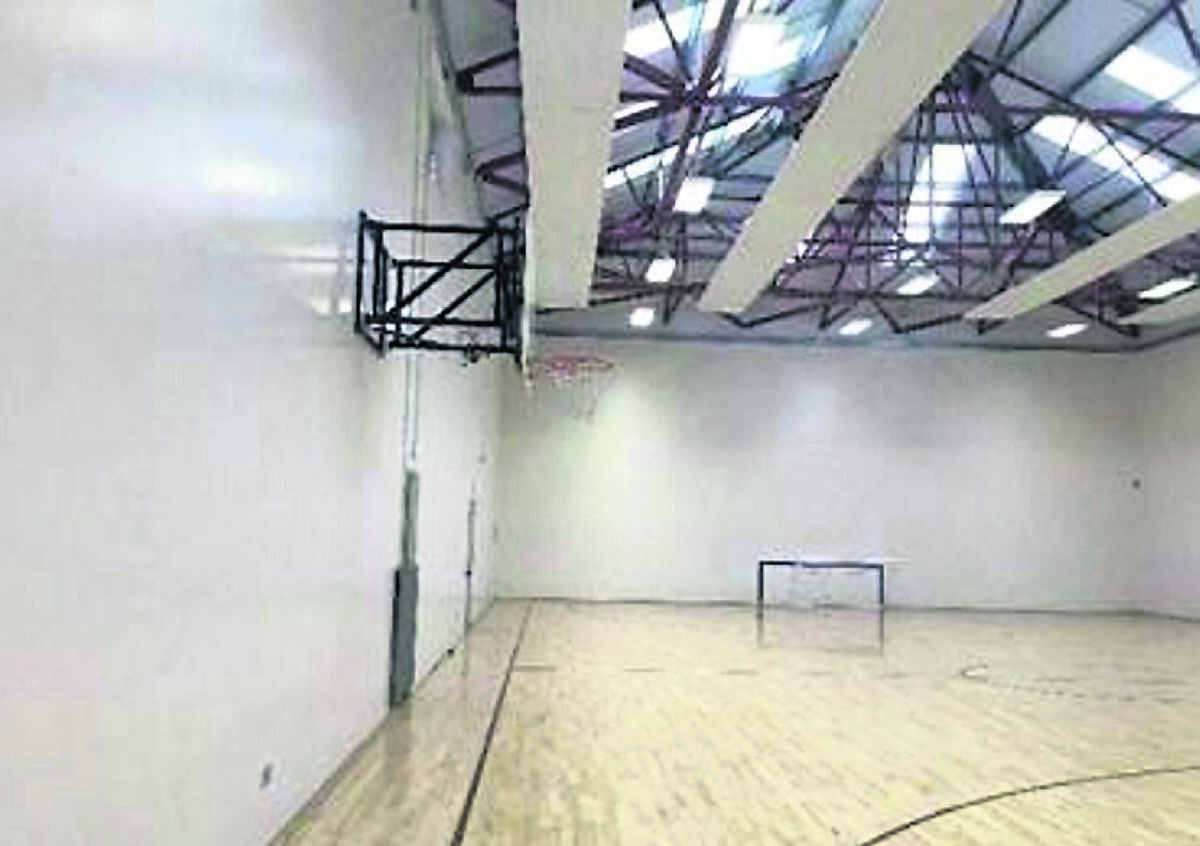
One member of staff indicated that the opening of the sports hall to prisoners could relieve tensions in the yards, as prisoners may elect to participate in a sports hall activity rather than use the yard.
Despite the closure of the sports hall for prisoners, prison staff actively used the sports hall to hold spin bike classes for prison officers.
Only 22% of the prisoner population were engaged in work training activities, even though of those who did not have a job, 86% indicated that they wanted one.
Prisoners spent between 13 and 23 hours in their cells each day, with prisoners who had jobs getting the most time out, while prisoners in the A1 and B1 landings got the least time out.
Prisoners who did not want to go to the yard were not offered an alternative activity. Instead, they were “locked back” in their cells during “unlock” periods.
One A1 prisoner said: “If we do not go to the yard, we are locked in our cell all day.”
Prisoners had many reasons to want to restrict the time they spent in the yards, inspectors noted, including avoiding violence and dissociating themselves from contraband-seeking.
“Contraband often entered the prison by way of the yards, and incidents of violence between prisoners frequently occurred there.”
Prison staff were not physically present in the yards, and instead monitored prisoner activities from a “hub” area located near the entrance. On one day of the inspection, two prisoner altercations occurred in the yards.
In 2021, the inspectorate recommended that efforts be made to incorporate green spaces in the yards. In response, photographic murals had been installed across the yards with pictures of grass and trees.
Additionally, there were issues with healthcare provision. Patients waited on average a week to see the GP, who also provided same-day cover to Castlerea Prison, located a round trip of more than 500km away.
There was a wait list of 112 prisoners to participate in addiction counselling. More than one-third of the prisoner population were seeking, but had not been facilitated to attend addiction support services. Inspectors said there was insufficient staff in this area.
Given that approximately 50% of the prisoner population in Cork Prison was either on remand or sentenced to less than 12 months’ imprisonment, the wait time did not allow for engagement with a large portion of people in the prison, with one prisoner saying:
It was also of concern to the inspectorate that both staff and people in prison expressed “a certain level of unease” about making complaints, with more than half of prisoner survey respondents saying they did not feel safe to do so.
Almost half of staff survey respondents said they did not feel valued as members of staff in the prison, with one saying:
On numerous occasions prisoners reported a fear of reprisal, such as transfer to another prison, if they were to raise a complaint or concern about treatment in the prison.
A prisoner explained: “[You] can’t really complain about much here, you’ll get transferred.”
Another stated: “They want us to remain silent.”
Staff raised concerns about a lack of transparency around promotions, “mandatory” imposition of overtime, understaffing, and inadequate training.
Only 39% of prison staff survey respondents agreed that staff morale was good in the prison, and one member of staff noted that “prisoners [were] the easiest and most rewarding part of [the] job”.
While most meals were of a sufficient portion size, some prisoners reported feeling hungry in the evening as the final meal of the day was served at 4pm.
Additionally, when prisoners were released from the prison, increasingly as a measure to address overcrowding, there was not always sufficient notice or time to put in place community supports.
The unstructured use of temporary release as a valve to ease overcrowding could potentially result in a “revolving door” situation rather than provide a long-term solution to overcrowding, inspectors said.
In an action plan submitted by the Irish Prison Service (IPS) after the inspection, they said: “Due to unprecedented levels of overcrowding, delivery of services and regimes may be affected.
“Given the level of overcrowding across the estate, IPS is not in a position to increase out-of-cell time for prisoners beyond that which is currently prescribed for.”
However, they added that work has commenced on a violence-reduction strategy, that the sports hall was now in use, more food was served at the evening meal, the GP was no longer required to go to Castlerea, and that improvements had been made in several other areas highlighted by inspectors.





 App?
App?


