Cork Mercy chief says a 'good death' is possible in hospital
Population trends show that Ireland’s ageing and diversifying population is going to be one of the key challenges to future end-of-life care and services.
Cork Mercy chief says a 'good death' is possible in hospital

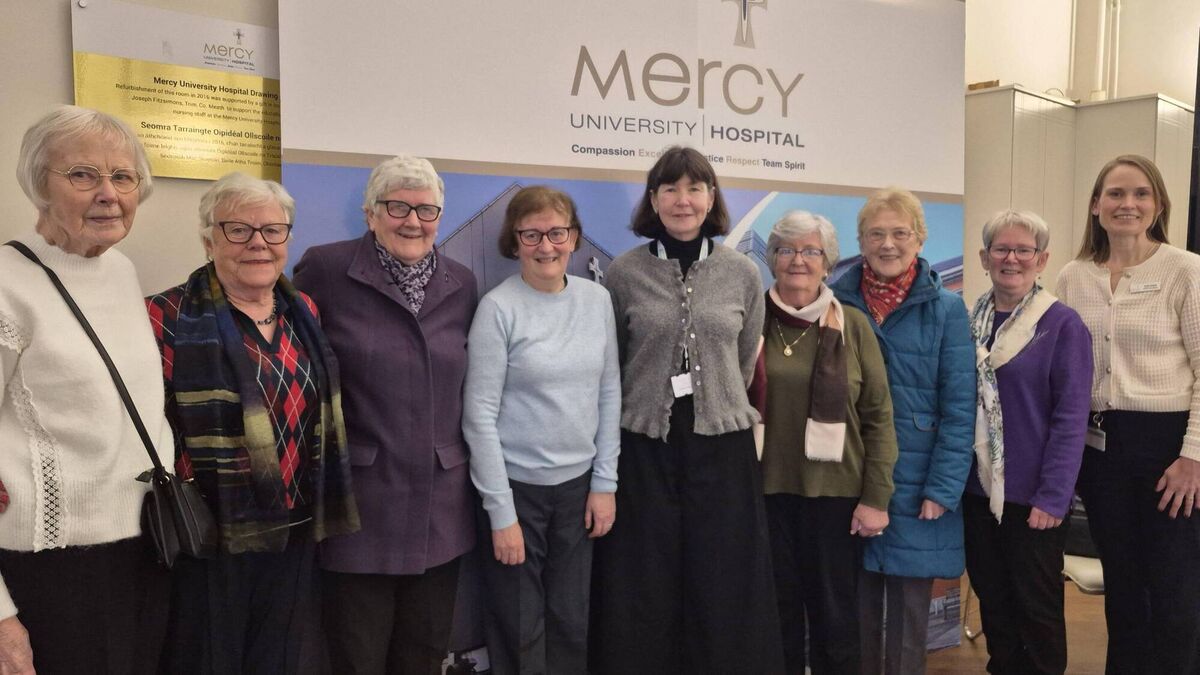
Mercy University Hospital hosted a Thank You and Tea Morning for volunteers from Iris House, the Wilton Knitting Group, and the Sisters of Mercy for the generosity of their time and donations to the hospital’s patients in knitting and crafting beautiful blankets and paired hearts.


A report by the Irish Hospice Foundation (IHF) shows that without targeted investment and planning, Ireland is facing a potential future crisis in end-of-life care and support for people who are bereaved.

In the report Dying, Death and Bereavement in Ireland 2026, the IHF reveals emerging trends in key areas relating to the experience of dying, death and bereavement in Ireland, highlighting areas of concern and outlines actions and recommendations that will deliver improvements in key areas.

Irish Hospice Foundation CEO Paula O’Reilly explained: “When IHF was established 40 years ago it was a very different environment. The population of Ireland was 3.5m, versus 5.4m today.

“The age demographic of that population is also radically different. Population trends show that Ireland’s ageing and diversifying population is going to be one of the key challenges to future end-of-life care and services.

“Right now, around 35,000 die each year, and the figure was very similar in 1986 when IHF was founded. However, we are going to see a massive increase in that figure over the next 20 years. When we move the clock forward to 2046 the number of annual deaths in Ireland will have increased by 40%.

“In a system that is already creaking at the seams, extraordinary measures will be required to ensure that every death will continue to matter and to provide the level of supports available to those who are grieving.”

Cork is set to see a particularly high population increase during this timeframe.

The report found that two thirds of people who lost a loved one indicated the person had not been told by a medical professional that they were likely to die.

“This lack of communication meant that the person dying missed opportunities to make appropriate arrangements and family members were not fully aware that their loved ones’ death was imminent,” the report states.

Additionally, a lack of out-of-hours support for people receiving end-of-life care may be leading to an increase in people attending an emergency department when medical intervention is required, researchers found. Over a five-year period to 2023, almost 5,500 people died in, or on the way to, emergency departments.

The report also highlights that there is currently no statutory right to bereavement leave in Ireland, which means that employers have no legal obligation to offer time off to employees who have lost a loved one.

A national conversation across government is required, IHF said, to not only ensure a commitment to ageing well, but also to die and grieve well. The charity is set to focus its 40th year on this issue; engaging with a broad community, creating conversations about death and dying, and advocating for measures that will meet the challenges and opportunities brought about by Ireland’s rapidly ageing population.

Margaret McKiernan, CEO of the Mercy University Hospital in Cork, told The Echo that the hospital recognises the significance of each death in the hospital, and has a programme in place to maintain high standards in this area.

She said: “Hospice Friendly Hospitals (HFH) is an Irish Hospice Foundation programme that seeks to ensure that compassionate end-of-life, palliative, and bereavement care is central to hospitals in Ireland.

“This programme, delivered in partnership with the Health Service Executive (HSE), aims to improve end-of-life care in all acute statutory and voluntary hospitals across the country, by staff using the framework of the quality standards for end-of-life care in hospitals to deliver a consistent level of quality care at end of life.”

Ms McKiernan, who is also chair of the National Acute Hospitals HFH Network, said that in this role, it has been her privilege at network meetings to meet and support committed and compassionate staff working across Ireland, who know the importance of honouring the wishes and preferences of patients at end-of-life and understand the impact of death on families and those left behind.

“A good death is possible in a hospital and the focus of the HFH standards around the needs of patient, family, staff, and the hospital as a complex system is hugely important. This is in the context of 43% of people in Ireland receiving end-of-life care and dying in hospitals.”

She added: “Mercy University Hospital believes that the care delivered to patients and their families at end-of-life, should be the same care that we would give to our own family and loved ones.

“We strive at end-of-life to deliver compassionate care that respects the dignity of each individual.

“We recognise the significance of each death in our hospital, acknowledging that this is a unique and profound event for each family. 

"We have an end-of-life care coordinator, and an active end-of-life care committee with representatives across all staff in the hospital as well as a public patient representative. This is only possible with the continued support of the HFH programme.”

On Thursday morning, Mercy University Hospital hosted a Thank You and Tea Morning for volunteers from Iris House, the Wilton Knitting Group, and the Sisters of Mercy for the generosity of their time and donations to the hospital’s patients in knitting and crafting beautiful blankets and paired hearts.

A hospital spokesperson said that staff of the hospital contributed to donate wool to each group, explaining: “The blankets and hearts are used for and by patients and their families at end-of-life care and we are incredibly grateful for the positive and touching impact these have on our patients and their loved ones.”

Ms O’Reilly concluded: “It’s essential that everyone who calls Ireland home has the opportunity to experience a good death, and that requires a set of supports and services that are wide ranging and effective.

“Irish Hospice Foundation is actively working to deliver and advocate for improvements in all areas of the dying, death, and bereavement space. It is clear from the report that there is a need for urgent action and creative thinking across the board.”

She added: “Forty years ago, the Irish Hospice Foundation was focused on introducing the hospice movement to Ireland. That ambition has been almost fully achieved and over the years the organisation’s focus has widened to deliver practical and meaningful support services around dying, death, and bereavement in Ireland.”

Read More

877 coastguard operations out of Valentia last year

more #Cork - News articles

Judges gavel in courtroom legal trial and law background Cork teen charged with having €52k worth of drugs at home
GERMANY-US-INTERNET-TECH-X-TWITTER-MUSK INTO president joins calls for action on social media platform X
525 patients on trolleys this week in Cork prompts call for more beds and staff 525 patients on trolleys this week in Cork prompts call for more beds and staff

More in this section

Murphy makes Bafta longlist for role in ‘Steve’ Murphy makes Bafta longlist for role in ‘Steve’
‘Despicable’: Cork University Hospital shell out €315k to chase up unpaid fees   ‘Despicable’: Cork University Hospital shell out €315k to chase up unpaid fees  
Judges gavel in courtroom legal trial and law background Cork teen charged with having €52k worth of drugs at home

Sponsored Content

Top tips to protect Ireland's plant health Top tips to protect Ireland's plant health
River Boyne in County Meath, Ireland. Water matters: protecting Ireland’s most precious resource
Turning AI ambition into action: Dell Technologies leads the way Turning AI ambition into action: Dell Technologies leads the way
Contact Us Cookie Policy Privacy Policy Terms and Conditions

© Examiner Echo Group Limited

Add Echolive.ie to your home screen - easy access to Cork news, views, sport and more