BusConnects depot works set to cost €17.1m, more than double earliest estimates
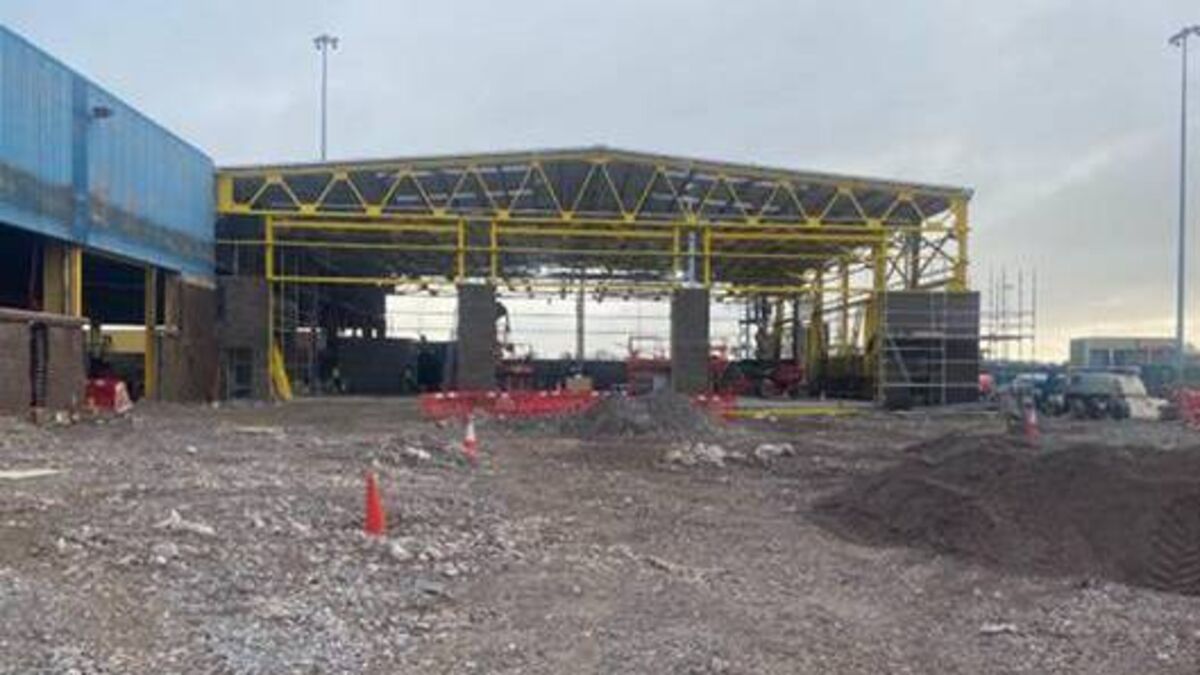
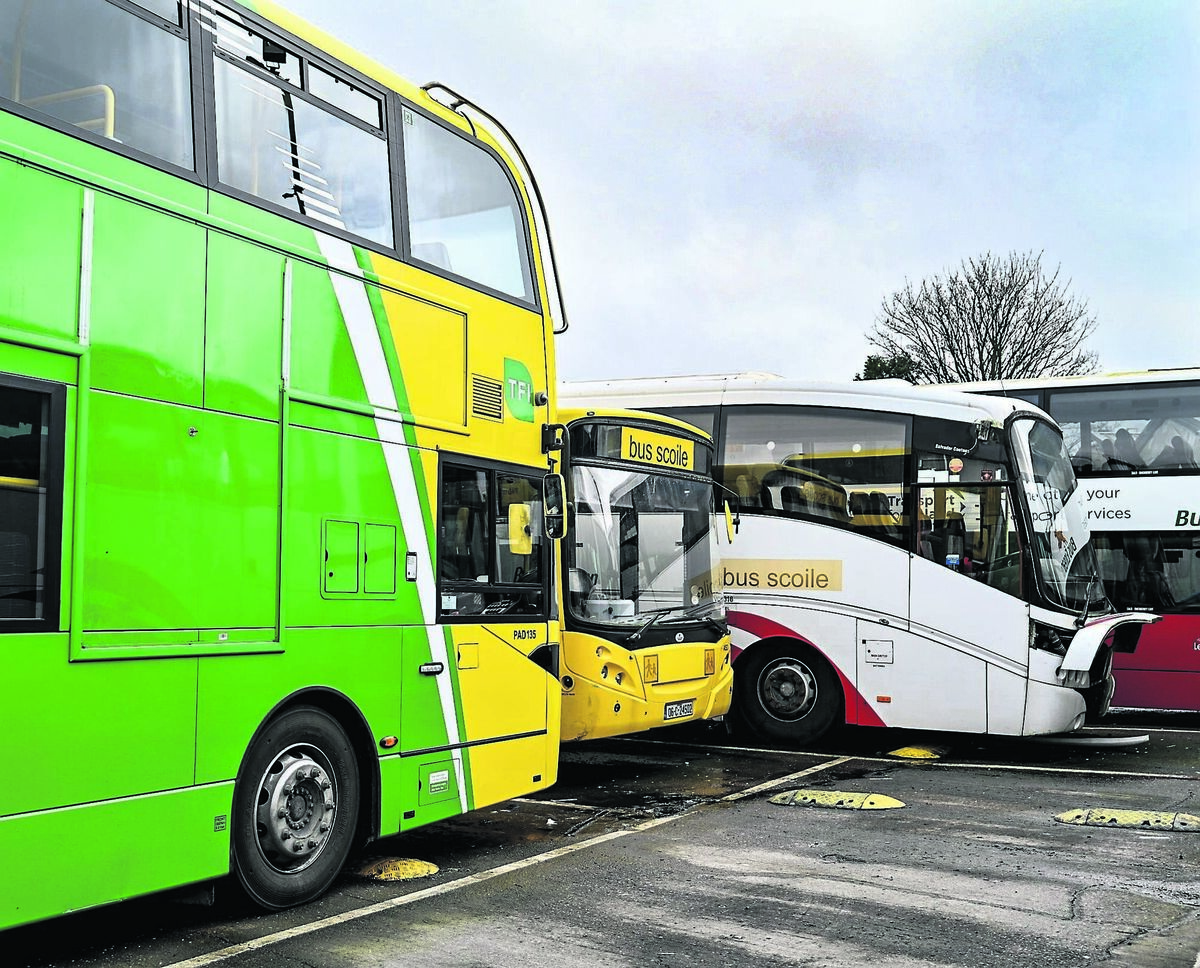
Electric chargers will be installed in the current depot in Capwell, above, for the new fleet of electric buses, while the diesel buses move to Tivoli.
The long-awaited BusConnects programme requires numerous changes, including compulsory purchase orders to acquire necessary land for new bus lanes.
It also requires a further 80 drivers at a time when Bus Éireann has had ongoing issues with recruitment and retention, resulting in service reductions on Cork city bus routes last year.
Another key part of the project is the need for additional buses as the fleet is set to more than double, and the need for these to be electric buses. Cork has only one depot with no charging facilities and that is over capacity already, meaning more space will be required.
Works commenced at the start of this year on a temporary Bus Éireann depot on the former Tata Steel site in the Tivoli docks, and the National Transport Authority has provided an update on how the project is progressing, including a report that the projected cost is €17.1m, which is more than double the earliest estimates.
A new depot was necessary as the Capwell depot is operating beyond capacity, and this capacity will reduce further with planned EV conversion. The company previously told elected representatives that there had been difficulty in finding suitable depot sites in Cork, as proposals for Monahan Road and Little Island were rejected by planning authorities.
Cork City Council granted permission for a temporary bus depot on the Tivoli Docks site and adjacent lands in November of 2023, and Bus Éireann told at the time that on-site works would begin in 2024, and that the depot would be up and running in the first half of 2025.
The planning documents note that the use of the temporary bus depot must cease before the last day of 2030 and that no permanent structures — including electrical charging facilities and services — other than those identified within the existing planning documentation would be permitted.
Bus Éireann confirmed to when the documents were tendered in 2024 that electric chargers will be installed in the current depot in Capwell for the new fleet of electric buses, while the diesel buses move to Tivoli.
Once the buses have relocated, the electrification of the Capwell depot necessary for the BusConnects programme will begin.
Senior Bus Éireann staff members including CEO Stephen Kent attended a meeting of Cork City Council’s transport strategic policy group in April and told councillors that construction had begun on the Tivoli depot, now expected to be complete by March 2026, with the implementation of the BusConnects network redesign to commence later that year, or early 2027.
An NTA spokesperson told : “The BusConnects Cork programme is a major investment in the bus system in Cork delivering a cleaner, faster and more efficient transport system for the people of Cork, making it easier for people to use public transport as part of their daily lives, improving journey times, reducing congestion, and supporting the city’s growth.”
They explained that the BusConnects Cork programme will see a 53% increase in bus services and a transition to zero emission buses. To support the planned increase in bus services, the bus fleet serving Cork will more than double, requiring additional bus depot facilities.
The Tivoli depot development is a temporary depot that is being delivered by Bus Éireann, with funding provided by the National Transport Authority under the BusConnects Cork programme. The project is currently under construction and will be operated by Bus Éireann.
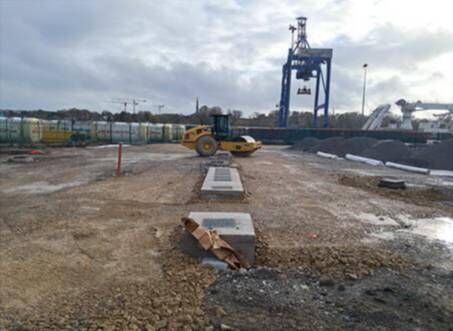
The development is located on the former Tata Steel facility within the Port of Cork’s Tivoli Industrial Estate. The site spans approximately 25,800m2. The facility, when complete, will provide parking for up to 150 buses and coaches.
The temporary depot will support the continued roll-out of new and enhanced bus services, while new and upgraded bus depot facilities are delivered.
In the short term the depot will support electrification and modernisation works at the Capwell bus depot by providing parking facilities to buses and coaches displaced from Capwell during these redevelopment works. These works at Capwell include the installation of electric bus charging units on the site, facilitating the roll-out of zero emission electric buses, the NTA spokesperson said.
Following a public procurement competition, in January 2025 NTA provided approval to Bus Éireann to commence the delivery of the Tivoli temporary depot with a total project budget of €17.1m and a target completion date of March 2026.
This total project budget includes for the construction contract, Bus Éireann fit-out and specialist maintenance equipment, risk, contingency, inflation, Vat and other fees.
Initial media reports of the facility in December 2023 when it was first proposed suggested it could cost up to €8m to develop, while the cost increased to €10m when the project went to tender in March 2024.
Following NTA approval, Bus Éireann appointed MMD Construction Limited to deliver this temporary bus depot facility including all site clearance works, installation of all drainage and other utilities, and construction of the bus parking yard and maintenance garage and administration buildings.
The accepted programme indicated that the works would be substantially complete in January 2026 and, following fit-out works by Bus Éireann, it would become operational in March 2026.
Following a period of mobilisation, construction activities commenced on-site in February 2025 in the line with the agreed programme.
The works are progressing. However, some delays have been experienced due to unforeseen ground conditions and utilities. To date, 60% of the work has been completed.
The substantial completion date is now programmed for February, and following the fit-out works it is anticipated that the depot will become operational in April. Bus routes will be transferred from Capwell to Tivoli in a phased manner.
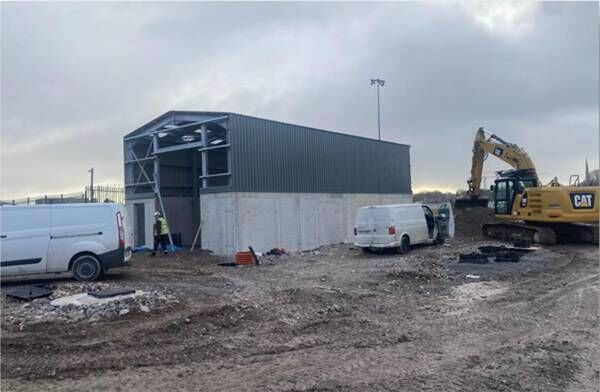
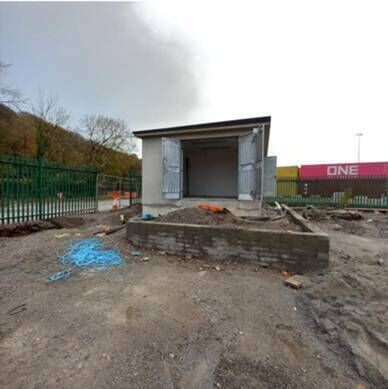
A summary of the key activities completed to date include: groundworks and site grading, fencing works, the installation of water recycling tanks, construction of a new ESB sub-station, installation of windows to the administration building, internal blockwork to the lean-to building and ducting for services within the bus fuelling shed.
As of 19 November 2025, expenditure on the project was €9.65m, with payments to the main contractor amounting to €7.33m.
The expenditure had been “ramping up in recent months reflecting the significant progress made on site”, with almost €5m of the expenditure being claimed in October and November this year.
A detailed expenses breakdown shows that in December 2023 an initial €166,000 was spent, followed by €360,000 in August 2024, €157,000 in November 2024 and €16,000 in December.
In 2025, there was €1.368m spent in May, €159,000 in June, €1.274m in July, €187,000 in September, €2.127m in October and €2.792m in November.
The NTA spokesperson explained that the the NTA operates a project reporting system (PRS) for its capital programme, through which sponsoring agencies’ (including Bus Éireann) expenditure claims are submitted and processed.
The months correspond to the month the expense claim from Bus Éireann was received through the NTA's project reporting system.
They added: “It is currently estimated that the total spend to complete the project is up to €6.5m.”
This would take the costs to €16.15m, below the budgeted €17.1m.
As well as the temporary depot project being required before the long-awaited Bus Connects programme can begin, the lack of charging infrastructure has also meant that Cork is reliant on second-hand buses.
revealed earlier this year that the National Transport Authority (NTA) has not purchased any new diesel-only buses since July 2019, and as Cork has no charging infrastructure, it cannot use electric buses.
In 2020, Cork got eight buses from Limerick, followed by 21 in 2021, three in 2022, none in 2023, and 17 in 2024, NTA data shows.
A spokesperson for the NTA said at the time that the installation “is large scale construction work which requires significant portions of the relevant depot space to be freed up”.
As the depot was operating above its capacity, it could not afford to lose any portion of the site to enable depot electrification works, unlike Limerick’s depot which had sufficient space available to allow some parts to be handed over to an electrification contractor. This meant that a temporary depot was not required and the electrification proceeded more quickly, with 70 chargers now installed there.
The need for a second depot for Bus Éireann in Cork was first mentioned in the media in April 2020, and it will be almost six years later when the Tivoli depot opens.
Due to its temporary nature, it will have four years and nine months before it must close again.
The NTA said that the depot will be in use “while new and upgraded bus depot facilities are delivered”, but no plans have yet been made public for where this permanent facility will be, meaning that another six-year planning and construction phase starting now would deliver the depot later than it is required.









 App?
App?


