UCC expert explains what has caused the price inflation of everyday goods and what we can do to save money
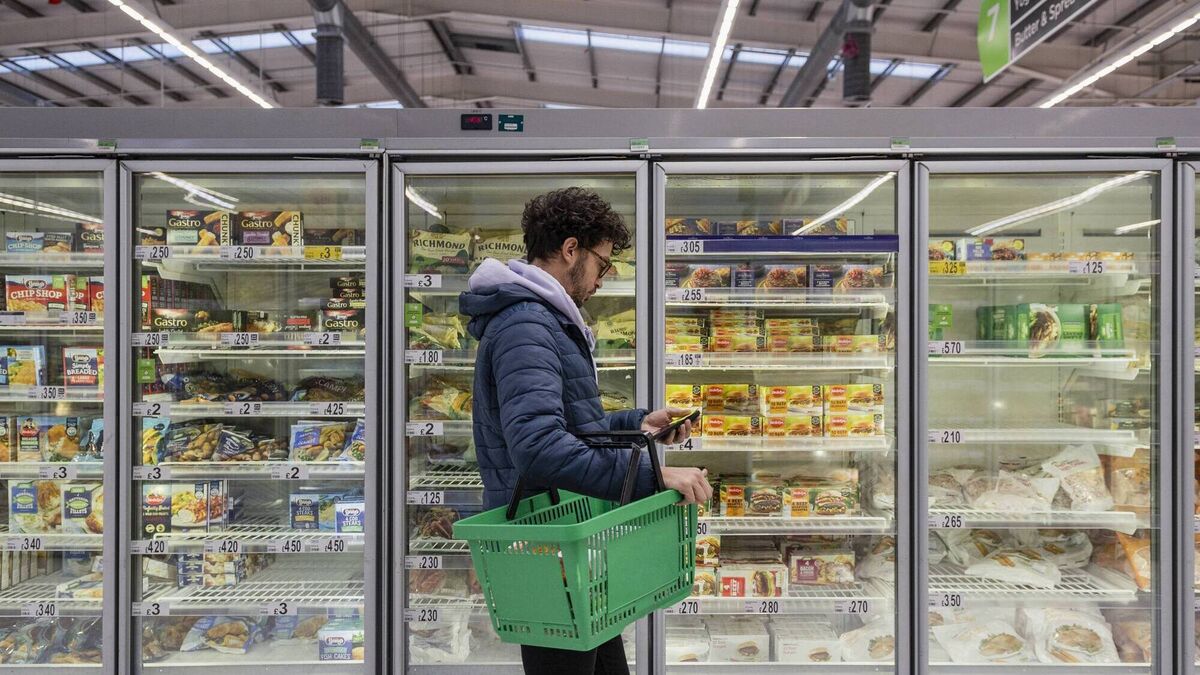
The global economy has been hit by two events or shocks which have affected prices.
Prices are rising.
In February, the average price of goods and services in Ireland (as measured by the Consumer Price Index or CPI) was 5.6% higher than a year ago, which means that annual price inflation is running at 5.6%. The last time the inflation rate was at this level was almost 20 years ago, back in April 2002. Most of us cannot remember price inflation rates as high as what we have today.
We had become used to stable prices. Over the nine years to March last year, price increases were either very low or falling year on year. Yet historically price inflation today is a lot lower than the 1970s and early 1980s, when price inflation reached 20% and housewives, at the time, took to the streets in protest.
To understand changes in the average price level, it is useful to uncover what is happening to specific prices. The categories that contributed most significantly to the rise in prices between February 2021 and February 2022 were: transport which increased by 15% – specifically fuel (up 31%) and air Ttansport (up 41%); housing, water, electricity, gas and other fuels – specifically electricity, gas and other fuels which rose by almost 29%. In fact, if we exclude energy costs from the CPI, the average price level rose by a more modest 3.6%. Food prices rose by 3% over the year.
Actual house prices do not feature in the Consumer Price index (CPI), but the cost of using a house such as the rent that would be charged if the house was rented, mortgage interest, materials for repair do feature in the CPI and also showed substantial increases. Rents rose by almost 10% between February 2022 and February 2021 and building materials rose by 13%.
The global economy has been hit by two events or shocks which have affected prices. The first was Covid. In the initial stages of Covid, prices actually fell as we all stayed at home and cut back our spending.
However, as countries began to re-open and restrictions eased, travel resumed and spending accelerated. In Ireland price inflation starts to take off from around July last year. The increased demand for energy, and pressures on supply, drove up global energy prices for oil and natural gas. Climate change targets also pushed up the global demand for natural gas, which is viewed as a bridging fuel between the older fossil fuels (like coal and oil) and newer cleaner renewable energy.
At the same time, global supply chain disruptions due to Covid affected the availability of inputs, building materials and goods, resulting in higher costs and prices. The costs of transportation rose significantly due to higher fuel costs and the lack of availability of ships and containers.
Global demand and supply chains were expected to return to normal post-pandemic. There was some uncertainty around when precisely this would happen but the general view was that normality would eventually be restored with price inflation returning to close to pre-Covid levels.
However, this has not happened because the global economy has now experienced a second shock – the invasion of Ukraine. Russia is a major exporter of oil and natural gas - 30% of Europe’s oil imports come from Russia.
The prospect of countries imposing restrictions on Russian oil (the US has already banned oil imports from Russia with the UK phasing out Russian oil imports this year) and gas in response to the invasion of Ukraine has rattled energy markets and prices.
Added to that is the threat of Russia reducing exports in retaliation for sanctions. On the 23rd of February, before the invasion, Brent crude oil was trading at $94.05 a barrel. This week, a month later, it is trading at $120 a barrel, up over 25%. This affects the cost of petrol at the pumps (as we have seen) and the cost of heating oil. But it also affects electricity costs, which increases costs for us consumers but also businesses, pushing up prices of goods and services.
Russia is also a significant exporter of natural gas to Europe – 40% of Europe’s gas comes from Russia. As gas continues to flow from Russia, the initial fears that drove gas prices up, have since subsided. But European gas prices are still 30% higher than they were before the invasion and more than nine times higher than what they were a year ago.

Russia is also a significant producer of other raw materials e.g. Russia produces 40% of the world’s palladium which is used in cars to limit harmful emissions and 30% of the world’s titanium which is needed in the aerospace industry. According to a recent report by the OECD, the prices of many of these commodities have increased steeply since the onset of the war, even in the absence of any significant disruption of supplies or exports.
Food prices are expected to continue to rise. Both Russia and Ukraine are significant producers of wheat. Farmers continue to face higher fertiliser costs, associated with the spiralling cost of natural gas which will affect the supply and the price of cereals and animal feed.
We are all affected by these price increases as we are all consumers of food, energy and commodities. However, some of us are affected much more than others.
The Economic and Social Research Institute (ESRI) has found that those on low incomes and social welfare, rural households and older households have experienced relatively higher rates of price inflation in 2021. This is because a larger share of their income is spent on fuel, heating, energy and food. Consequently, the lowest income groups benefit the most from the government supports.
Although we cannot insulate ourselves entirely from rising prices, we can make some changes in response to this new inflationary world. We can shop around more to get the best prices in electricity, broadband, mobile phone, banking, insurance etc.. However, if prices in general are rising, then these may only be once-off gains.
As we move into spring and summer for most of us this means less heating and less electricity usage. This gives us a breathing space to begin thinking of ways that we can cut down our heating, electricity usage and if possible improve the insulation in our homes for the coming winter. Europe needs to reduce its energy dependence on oil and gas – and we need to do so also.
It is difficult to predict what will happen to price inflation – last November the view was that inflation would fall back towards pre-Covid levels.
The ESRI in their latest economic quarterly is predicting that price inflation will be 6.7% for 2022 falling back to 5% in 2023. The continuation of the invasion of Ukraine and the possible banning of Russian imports of oil and gas by the EU will continue to put upward pressure on prices.
There is also the danger that wages start rising on the back of higher price inflation causing a wage-price spiral. However, in response, the ECB may decide to start increasing interest rates once again.







 App?
App?


