5 simple tips for when the clocks change this weekend
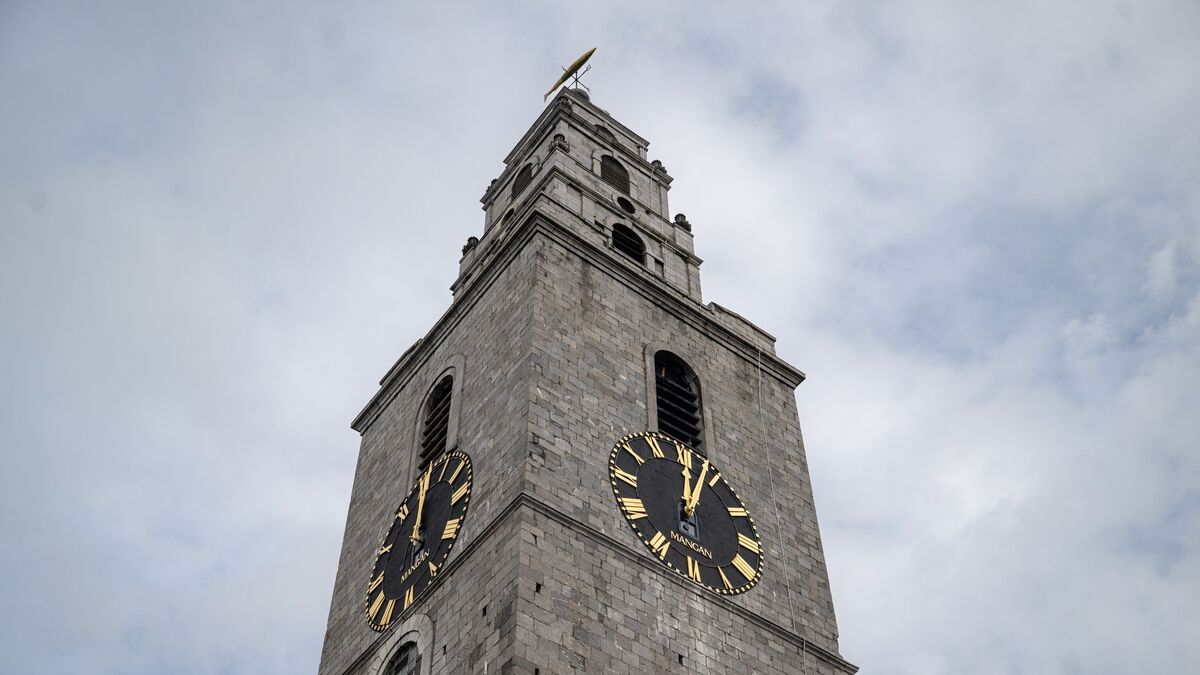
At 2am on October 25, daylight saving time (DST) will come to an end as clocks go back across Ireland. Picture: Chani Anderson
Prepare to 'fall back' this weekend, as the clocks change on Sunday.
At 2am on October 25, daylight saving time (DST) will come to an end as clocks go back across Ireland.
They'll 'spring forward' again on March 28 next year.
While many will relish the extra hour in bed on Sunday morning, the adjustment can take some adapting to.

Sleep expert Tom Coleman has shared his top tips for the time change.
You don't need to gradually change your schedule. If work dictates when you get up, stick to that time on the new clock. Consistency helps your body clock adjust.
Morning daylight is one of the strongest signals to your biological clock. Get outdoors soon after waking, even if it's cloudy. Daylight helps establish your new daily rhythm.
Try to keep meals consistent with the new clock, avoid late-night eating, and include fibre-rich foods to support your gut microbiome. Keep exercise and physical activity consistent. Both help reinforce your daily routine.
Listen to your natural sleepiness. You may feel tired earlier for a few evenings or wake earlier than expected. That's normal. Keep your evening routine relaxed and consistent.
The clocks going back means sunset arrives an hour earlier by the clock. Make a deliberate effort to get daylight a few times per day even if its brief, remain physically active and maintain social connections throughout winter.
"My most important advice: Don't overcomplicate the clock change. Most people can adapt without gradually adjusting their bedtime or waking time. Focus on consistent routines, daylight and protecting sleep," says Tom.







 App?


