‘It’s important that we protect the space’: New evening initiative at Cork's Quay Co-Op
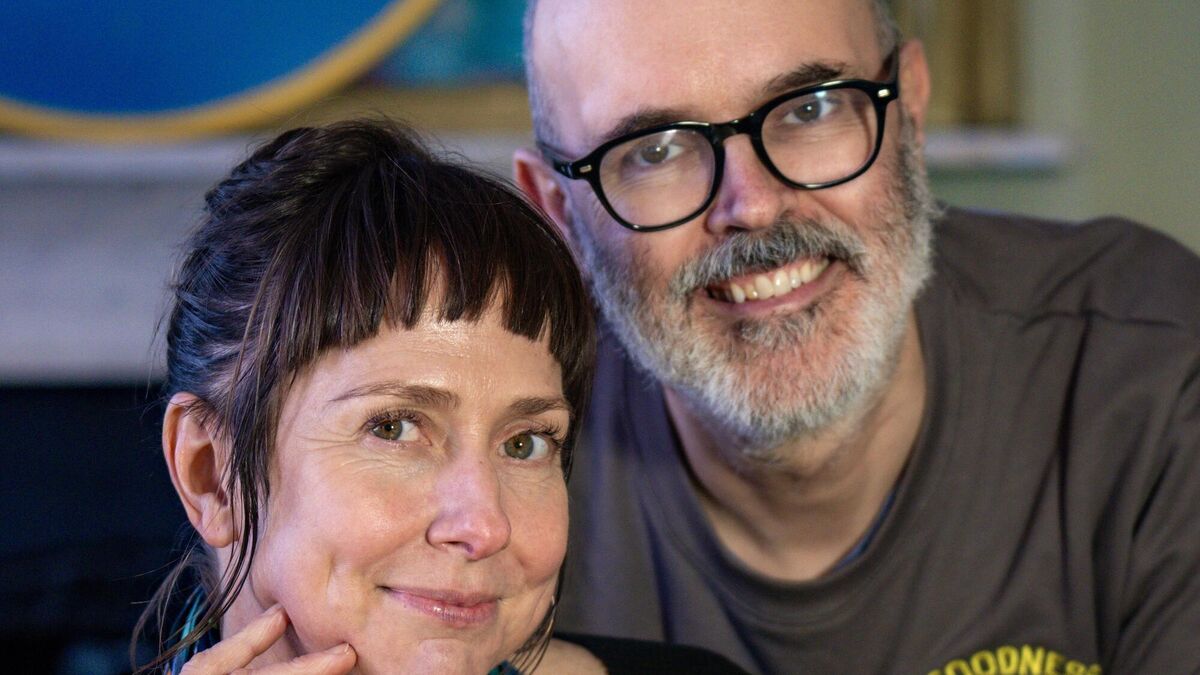
Donal O’Gara and Virginia O’Gara of My Goodness pictured inside the Quay Co-Op restaurant in Cork city, after it was announced that the couple would be taking permanent stewardship of the space. Picture: Chani Anderson
Best known for its funky, fun, handmade, vegan food and drinks, beloved by vegans and carnivores alike, My Goodness has begun a new chapter as custodians of one of Cork’s most iconic café venues.
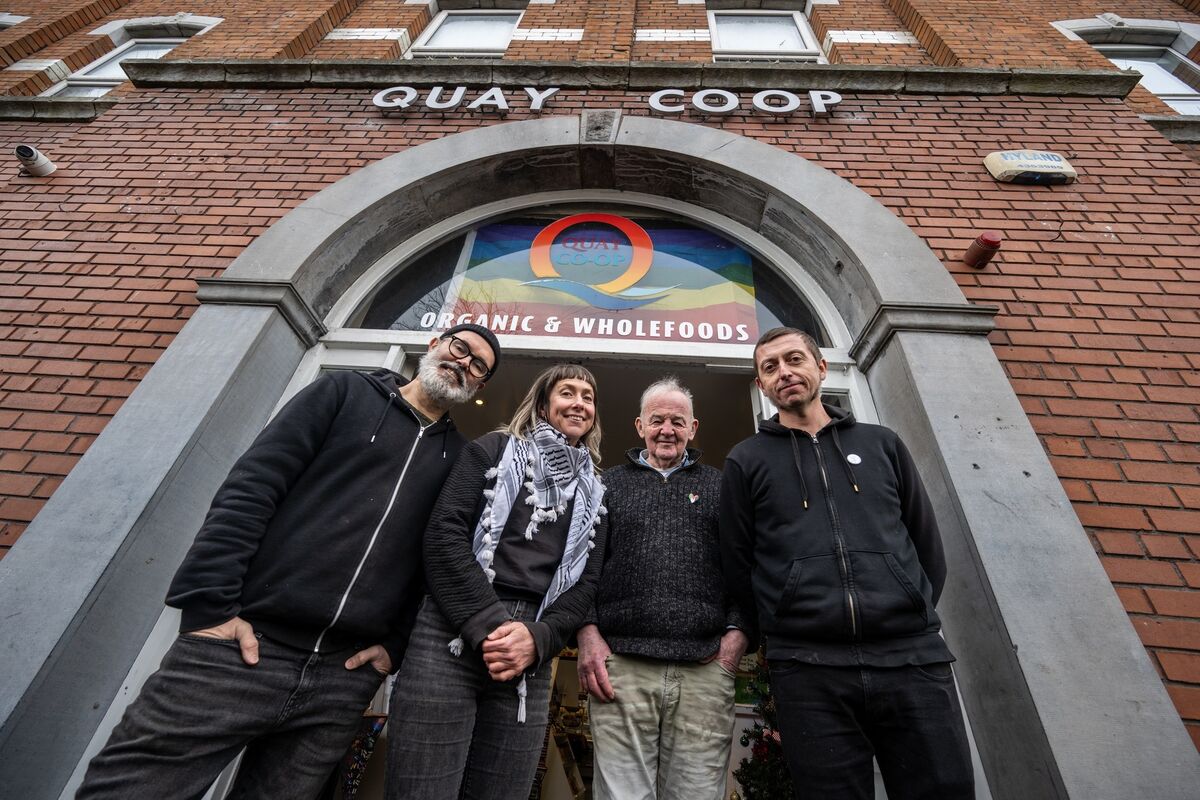
The Quay Co-Op was established by Arthur Leahy in 1982 as a welcoming space for everyone across alternative social and political movements, from feminism to environmentalism.
It was a place people from Cork’s gay, lesbian and queer communities could gather, socialise, and eat wholesome food in a safe place. Lest we forget, in 1980s Ireland, homosexuality was still illegal.
For more than 40 years, Arthur, his staff and volunteers kept the Quay Co-Op going.
From its position on the banks of the Lee, it witnessed huge social change. It was Cork’s de facto meeting house for organising the activism that underpinned social and political change in a way that was inclusive and not afraid to listen to voices on all sides of an argument.
The Quay Co-Op’s importance in Cork’s social history should not be understated, and many a Corkonian has a Quay Co-Op story to share.
But in 2025, Arthur said he was stepping down, and with it came an anxious wait to see what would happen next at the café.
A few months later, My Goodness announced it was taking the reins of the cafe, ambitious to continue the legacy Arthur started four decades earlier.
My Goodness co-founder, Virginia O’Gara, grappled with the decision of whether to take over such an iconic space. She had been spending a lot of time back in her home state of Texas, USA, while her father battled dementia.

“While I was in Texas in August last year, I knew this was going to be the last time my father and I would be together,” says Virginia.
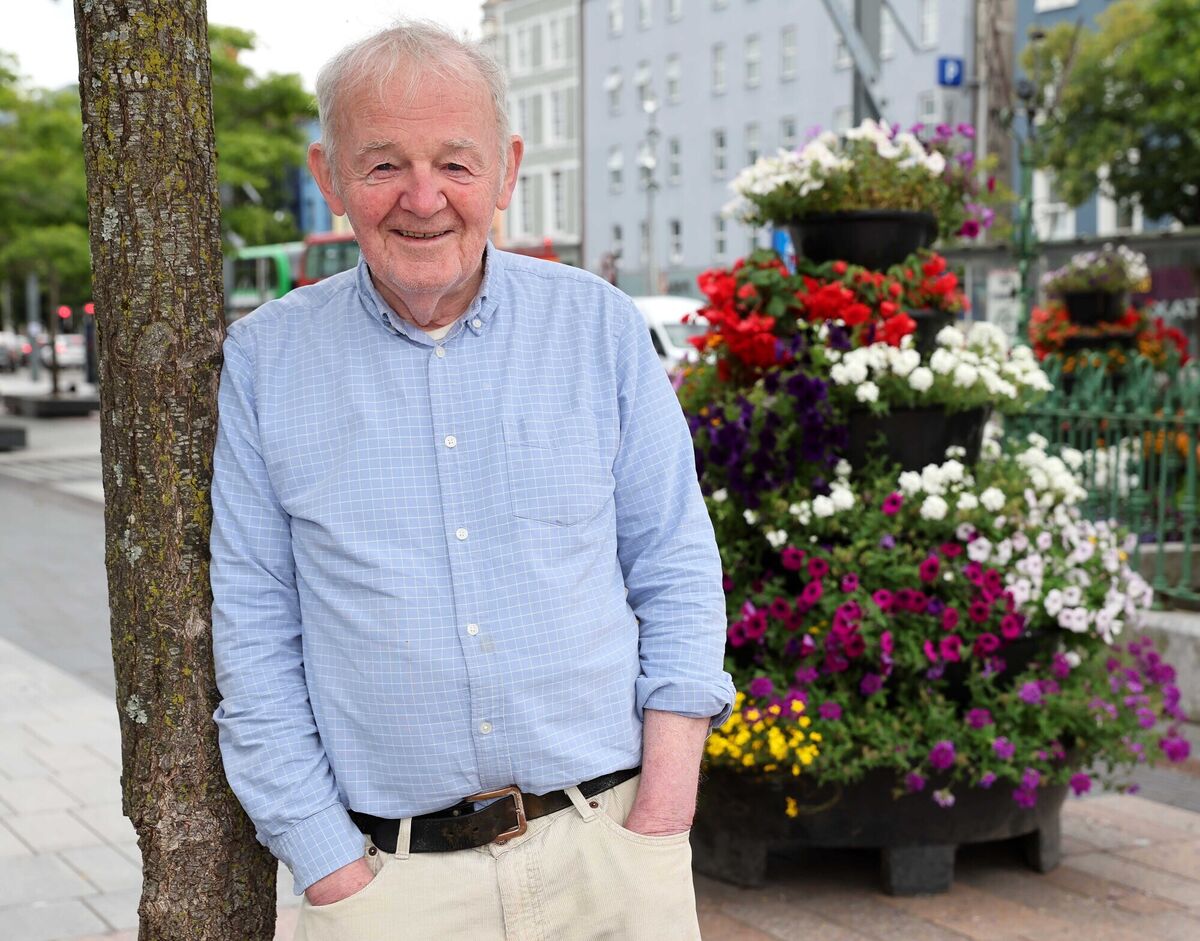
“We spent hours chatting; me reminding him of his life and all his favourite stories, and in those moments, I found myself thinking a lot about Arthur,” says Virginia. “I was thinking about how he was able to create this haven for the queer community when it was still illegal to be gay, one that was out, loud, proud, and supportive in a very conservative Ireland.”
Remembering Quay Co-op as a place of hope, support, and safe harbour was in sharp contrast to what Virginia was seeing for herself in Texas.
“The divisiveness, the fear that was so prominent you could almost taste in the air from ICE,” she says. “All I could think about was Arthur, how he’d probably seen all of this before. Things that seemed as awful as they were, but was able to understand it, work through it, and create a community around the café, including The Other Place where My Goodness first began.
“What being around my father in his last days reminded me of is that there’s so much that could be lost unless we understand and document people’s wisdoms and life experiences.”
Virginia eventually came back to Cork, throwing herself into work, and heard talk of someone taking over the café at Quay Co-Op.
“I thought that was amazing, but also that it would be so much work!”
She spoke to her “long-time Goodness Guy”, Wayne Dunlea, about it, and learned that Arthur had approached My Goodness about the opportunity, but that they had said no.
“I never wanted to run a café – at all, but I’ve always said the only way I would is if it was a place where food is a part of nourishing a larger community. Arthur had asked us for a good reason: he understood that our politics and methodology are quite similar.”
Virginia and the team set about putting in their proposal to take over the café, but quickly realised making it work financially was going to be trickier than they ever thought.
“They were haemorrhaging cash and had never really made money from the Quay Co-Op,” says Virginia. “But what I loved most about it was that you would know you were going to get wholesome vegetarian and vegan food at an affordable price in a bright, beautiful setting, run into your friends, sit there all day, drink coffee, and plan your revolutionary futures!

“Places like that need to exist - especially in a city centre, and especially during times like this. We need to protect spaces that are radical, inclusive, and available to all.”
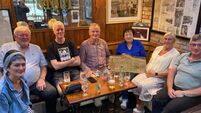
Acknowledging it didn’t make financial sense to take over the venue - “My Goodness was doing OK, and we were having weekends off”, says Virginia - a determination to find a sustainable solution to running a bricks and mortar daytime café in Cork city set in.
“How do we make that happen and be an ethical company that aims toward zero waste, using local food, paying farmers what they deserve, and be a living wage company?
“We were barely making that work with My Goodness, and knew we couldn’t do it with also having a café with the extra rates, rent, not wanting to work at night or running ourselves into the ground.
“Everyone was excited My Goodness was taking over [the cafe] Quay Co-Op, but we realised this isn’t going to work unless the community really does start to put their money where their mouth is,” says Virginia.
“To make this work, we all have to pitch in together; we can’t shoulder the economic burden of this iconic place on our own.”
The solution? To open during evenings as a community-supported event space: the Nighttime Co-Op.
“Wouldn’t it be great if the community had this third space they could curate themselves, and in providing them with a space everyone wants, it can help cover all the overheads that were crippling the Quay Co-Op in the past, and why they couldn’t stay open.”
So how does it work?
For €20 per month, anyone can sign up to be a member of the Nighttime Co-Op. In return, members get a 10% discount on My Goodness food and drinks from the café; a monthly Members’ Meal that will always only be €10, and an invite to the monthly Calendar Making Party.
“If you’ve signed up to be a member and you want to use the space, you have to go to the monthly Calendar Making Party,” says Virginia, because (as she puts it), “Even if you just want to do your kimchi making workshop, you are going to be in a room with the Marxist-Leninists who are having a quilting bee!” Each calendar party can only last two hours, so pitches to use the space must be brief.
“No matter how many people come or want to use the space, everyone is allocated the same amount of time to do a quick pitch. We make a calendar that night to hang up in the café so everyone can see what’s happening.”
All events (free or paid-for) are open to everyone, whether a member or not. However, Nighttime Co-Op members enjoy a 10% discount on any paid-for events. Event organisers pay My Goodness €20 for the first hour and €15 for the second hour to use the space, which has a 72-person capacity, and My Goodness also takes a small cut of any paid-for ticket price towards the cafe’s overheads.
For the Nighttime Co-Op model to work, and for it to help sustain the daytime café, the goal is to have 200 paying members. With close to 80 so far, there’s a bit to go.
“You can sign up to be a Nighttime Co-Op member even if you don’t think you have a use for the space right now. Maybe you don’t even live in Cork, or Ireland,” says Virginia. “If you believe in the concept and want to see if work, sign up and become a member!
“There is value in that, and in a real way this is also a research project to see if it’s a model that can be replicated.”
However, no-one will be excluded from being a member for a lack of funds.
“If you don’t have €5 a week, that’s OK. Give €1 a week and talk to us about how you can contribute in other ways. This needs a lot of volunteer hours to make sure it runs well, and everyone knows how to do something to contribute.”
The first Calendar Making Party took place in May, and events for June ran the gambit from a Silent Tea Ceremony, to a Nothing Café where you bring your own mug and tea.
“The ground rules are that everyone’s welcome. It’s a space where there’s no transphobia, homophobia, sexism, misogyny, racism, and if you want to do food, it has to be vegan. The ground rules encourage respect, beyond that, we’re just sharing space together,” says Virginia.
What’s most exciting about creating this new “third space” in the heart of Cork, aside from building community and meeting new people, is the potential to tap into the curious nature of everyone’s myriad interests.
“Cork Communities United are having their meeting there. They teach activists of all ages to learn how to organise within their community. There’s a political branch of Solidarity having a meeting, meanwhile the Social Democrats are hosting a book club. The Shape Notes are having their singing session upstairs; Cork Zine Festival will host their monthly collage and zine-making workshops here; and a sound bath is happening the next day. There are art projects and live broadcasting events, and a repair café where a woman who is learning how to sew has three sewing machines she wants to share with people. Another builds synthesisers and wants to show people how to do that. There are movie nights, kimchi-making workshops…
“You just never know what’s going to come up as suggestions during the party,” says Virginia.
“The coolest things are coming from it, and it shows how the space can be a way for us all to share and practice what we know and love. People get to curate an event however they want - how often do you really get that opportunity in such a beautiful space?”
This is one big experiment that needs a lot of goodwill, volunteerism, and a community to embrace something different to the norm. If it works, the Quay Co-Op will sustain itself as a cherished city centre venue where good food at a fair price is the standard.
Importantly, it will demonstrate that an ethical business model; one that prioritises local food, fair pay, and zero waste, can succeed.
“Because we would know that, through people’s memberships, a lot of our overheads [of running the café] will be covered, it allows us to relax a little bit – and buys us time to do other essential things we need to do, like the fact that we have to build a bakery!
“I’ve honestly never worked so hard in my entire life,” says Virginia. “But it’s important we protect the space. It’s worthwhile trying and being OK with failing. I don’t want to live knowing we could have made something really work, but we didn’t try.”
To sign up for membership, see @mygoodnessfood on Instagram, or email nighttimecoop@gmail.com.

App?