Kate Ryan: Knowing where the veg on our plate is coming from
Continuing her series looking at the businesses putting food on our plates, KATE RYAN discusses seasonal vegetables and the rise of micro farms.
Kate Ryan: Knowing where the veg on our plate is coming from

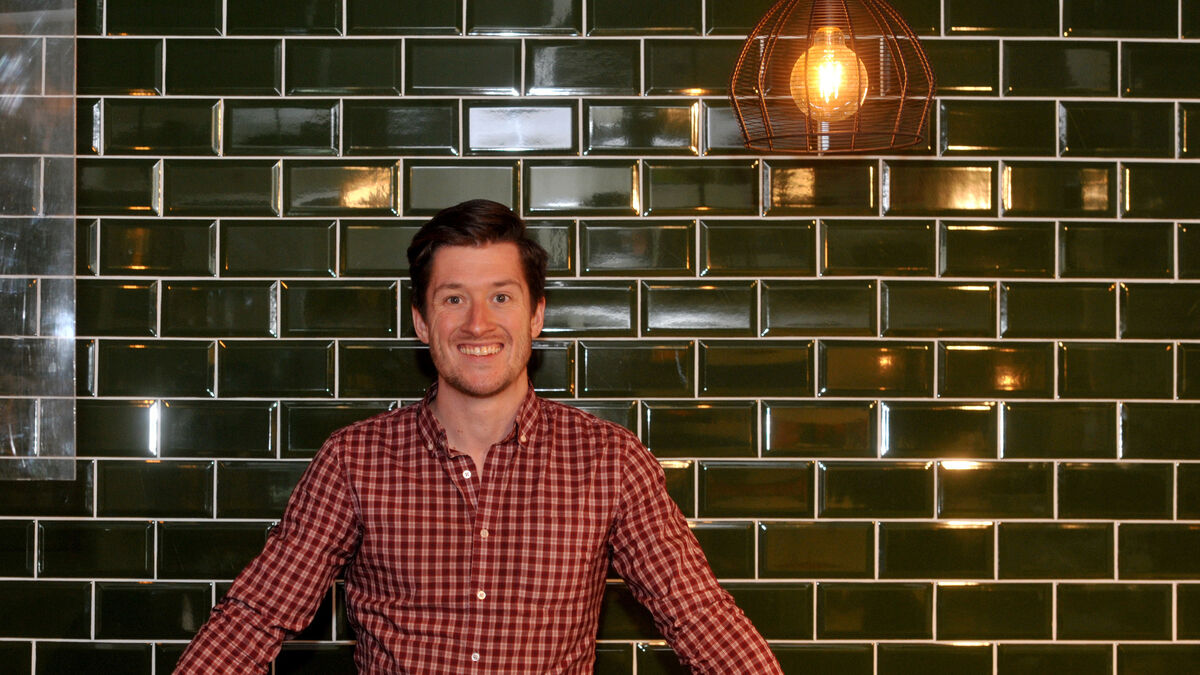
Brian McCarthy founded Cork Rooftop Farm back in 2020. Earlier this year, he signed a deal to supply a select number of Dunnes Stores in Cork city with seasonal farm produce.  Picture: Larry Cummins

It’s not often I draw on popular culture and connect it to food, but maybe I should.
Case in point: I’m currently bingeing the latest season of The Morning Show, a US drama about a beleaguered TV network. The position of Head of News is up for grabs and two people are in the running. One believes news should be the focus of the role while the other says a focus on sports and movies will drive ad revenue which in turn will finance news.

What on earth has this got to do with food?

Well, it reminded me of a conversation I had once with Darina Allen where she said we know more about the lives of movie and sports stars than we do about where our food comes from.

That scene from The Morning Show reminded me why Darina’s comments rang so true, and why it left a bitter taste in my mouth.

As I see it, my job as a food writer is to shine a light on as many different aspects of food as possible. There is room for everything, from light touch topics (new openings, product launches, festivals, Christmas, etc) to more serious issues such as food security and climate change, food policy and public health; challenges in agriculture and horticulture.

Recently, I have focused on the latter by highlighting challenges facing the poultry and pork sectors. Articles have been contextualised in the lead up to Christmas because this is the time of year people consider local food more important.

One local farmer said they experience a 10% increase in sales in the lead up to Christmas, but that quickly falls away in January again when us consumers go back to old habits, choosing convenience and price over local and better.

In the times we live in, it’s hard to hold this line and pontificate on supporting local, seasonal, organic, etc; to encourage shortening the farm to fork chain by seeking out and shaking the hands that feed us. Food is more expensive than ever, and budgets are stretched thin.

I get it. But every choice we make about the food we buy and eat has a wider ripple effect.

Back to Darina’s point: Why do we care to know more about what a famous celeb is wearing? Why is that more important than knowing where our food comes from?

This year, Mick Kelly, founder of GIY Ireland, has been lurking in the fresh produce aisle of Irish supermarkets, picking up fruits and vegetables he knows are in season here and questioning why we have Spanish strawberries at peak Irish strawberry season, apples from New Zealand in October instead of Irish; kale from wherever instead of from just down the road.

Each video got a big reaction just by encouraging us to look at the label on fresh produce, see where it is grown, get educated about seasonality in Irish fruit and veg, and question why something has been imported when it can be grown here.

Supermarkets are notoriously sensitive to their customers and in fairness what they offer is often in response to what customers demand – hence strawberries in December, for example. Maybe they heard Mick, too, for in a year of bumper apple crops, Irish ones suddenly appeared on shelves right when they should be available. It’s not quite an abundance of variety (it’s still Gala, Pink Lady and Golden Delicious because we love a sweet, crunchy apple), but it is Irish-grown.

We are fortunate in Cork to have many small, independent farms growing high-quality produce, often eschewing the use of chemical pesticides, herbicides and fertilisers, and grown sustainably.

Cork Rooftop Farm is one of these. It has had great success since its establishment in 2020 and is now on the cusp of gaining organic certification. It grows produce at the original rooftop farm on the Coal Quay and on 60 acres at White’s Cross.

Earlier this year, founder Brian McCarthy closed a deal to supply a select number of Dunnes Stores around Cork city with fresh seasonal farm produce. It’s the culmination of a three-year negotiation, and Brian admits there’s a big learning curve ahead.

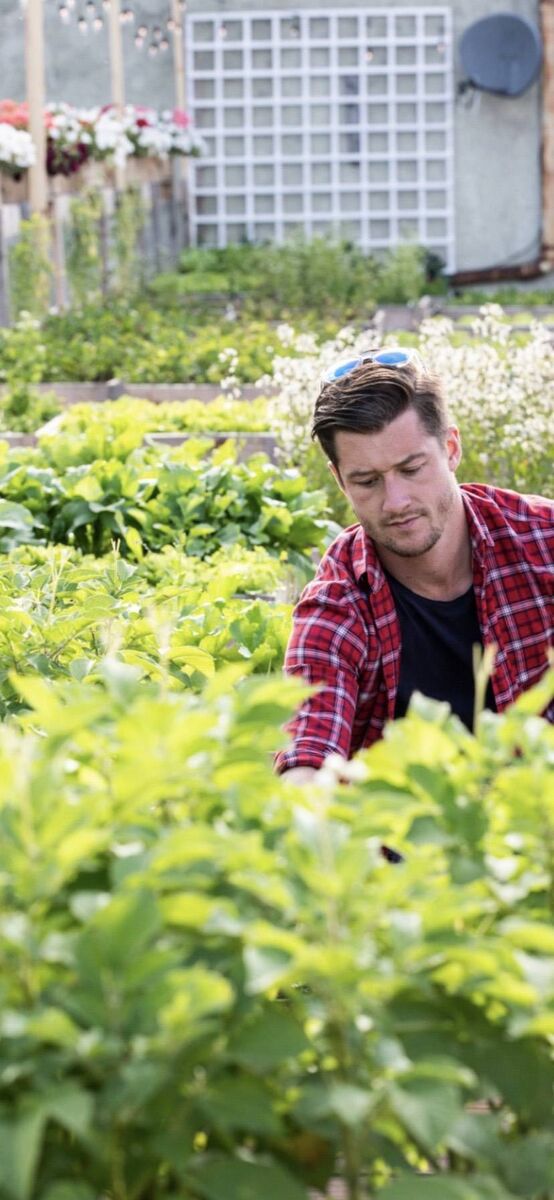
Brian at the Cork Rooftop Farm. 

But he also said Dunnes have provided every opportunity for the partnership to be a success, so now the emphasis is on Brian and his team to make that happen.

“This year, we started with a focus on local produce, and from next year it will be local and organic,” says Brian. “We’re trying to make a difference by offering our produce with zero or minimal plant-based packaging, and Dunnes have been very supportive of everything we want to do. It’s been refreshing to deal with them because they have a positive outlook, too.

“We’ve good flexibility, and they really want what we’re growing, which means what is in season. It’s down to us to supply into that demand as much as possible.”

This partnership marks something of an inflection point. The chatter around the deepening crisis in our food systems, particularly fruit and veg, is louder than ever, with some farmers willing to talk openly about their experience of growing under contract for a supermarket, particularly nightmare tales of cancelled contracts without notice, shouldering financial costs of loss-leading promotions in store, thin margins and future uncertainties.

It’s why, as one produce wholesaler said to me, in their lifetime they have seen 50% of all commercial growers in Ireland exit the market.

Earlier this year, I spoke to Barra Sweetnam, founder of Allfresh Wholesale, for an interview published in The Echo. Allfresh is the last independent wholesaler at this scale in Cork and is committed to supporting as many Irish growers as possible – organic, chemical-free and conventional. His mantra is that the risk should be his to manage, not the grower.

“What we should be doing as wholesalers is taking the gamble on for commercial growers,” Barra said. 

“If you grow broccoli from July to December for me, I state the quantity of boxes I’ll take and give a fixed price for that period. I’m now taking more of the gamble than the grower. If the crop is a bumper one, my job is to find the markets for it and move it on for the grower.”
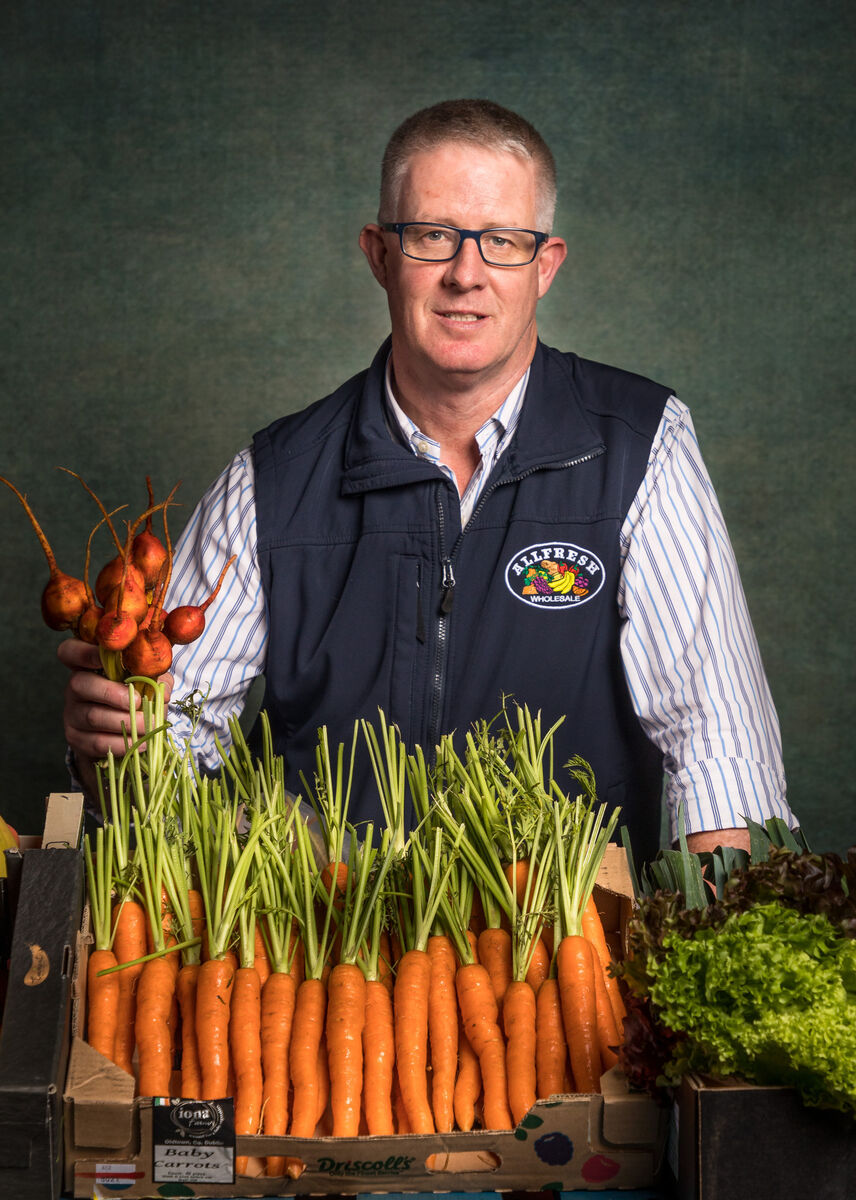

Managing Director of Allfresh Wholesale Ltd., Barra Sweetnam at the companies warehouse in Little Island, Cork.  Picture: David Creedon

The Allfresh philosophy is to support growers of all sizes from around Ireland, and for anything else that can’t be grown in Ireland (citrus, for example) buying the best available from as close as possible (lemons from Spain, not New Zealand) to reduce the carbon footprint to transport it.

When it comes to how our food is produced, there’s always debate for whether organic is better than conventional. Organic (even chemical-free) will always taste better (healthier soil means better soil means better flavour), so the debate centres on if the cost of organic vs conventional is worth it.

A few things channel into this. Firstly, an organic farmer must accept a percentage of their crop will never make it to market. Damage from pests and fungus and more effort put into protecting soil all adds to production costs.

Second is paperwork. Compliance with organic certification comes with a lot of additional administration. As one organic farmer put it to me recently, for each different crop he grows organically, he must fill out paperwork to ensure compliance to required organic standards is traceable from seed to harvest.

Meanwhile, a conventional farmer spraying their crops multiple times a season isn’t held to the same standard. All these factors add to the cost of the final organic product and what we pay at the till. Why should they have to do less paperwork than me, said the organic farmer? Surely, it should be the other way around, he added.

That same farmer also said this burden means they will reduce the range of crops grown in 2026, focusing on those that are perennially popular, like potatoes and strawberries. This might save time and cost, but it also reduces the variety of what’s in circulation.

From a consumer point of view, access to fresh local and seasonally grown food is one issue; price is another. But there is a growing cohort of younger farmers who advocate for a different way, one that is for supporting local food and small farms, against big monocropping farms, and all in for something called regenerative growing.

Regenerative is best described as sustainable-plus and focuses on soil health. Sustainable growing means you restore nutrients used during growing to maintain a nutrient balance in the soil. Regenerative means putting back more than what was taken to create a thriving environment below and above the soil for a flourishing holistic banquet of flora and fauna.

In addition to this tapestry of regenerative ecology, growers also look to how this can benefit a community. A varied range of produce grown on ‘micro’ farms serve a specific community within a small radius, and puts food back into the heart of communities, rural and urban alike. Food is sold at a fair price by the grower via farmgate shops, honesty sheds or pre-ordered as part of a Community Supported Agriculture (CSA) scheme.

Does it cost more than a supermarket? Yes. But the value people associate with these micro farms is the opportunity to connect with other people who want to be part of something that’s making a difference. That’s something a few agree is worth paying a little extra for – good food, community and connection.

More of these micro farms are cropping up. Some are like glorified allotments, others a modest market garden, others over sprawling acres that include not just vegetables and fruits but eggs, honey and meat production.

The prospect of more of these establishing across Ireland in little scrappy pockets of land is exciting, I think.

Imagine if the reach of each farm touched the reach of another to create a patchwork of market gardens and pocket farms everywhere? That’s how we built a secure food system. Not with mega farms where, if a crop fails the escalating impact is rapid and severe, but one where if a crop fails on my farm, your farm can quickly fill the gap.

You don’t even need a lot of land to do it. Canadian horticulturalist, JM Fortier has been a global champion for market gardening for 20 years and says an acre is all you need to feed a community and earn a living from it, too.

If we want to, we can know with certainty where our food comes from - and shake the hand of the person who grew it, too.

Read More

‘The situation is volatile, but we’ve not given up’: Cork pig farmers facing challenges
'A good Christmas will either make or break the year for us': Cork poultry farmers under pressure

More in this section

The Village Pubs of Cork: A pub should be warm, friendly, comfortable... every village needs one The Village Pubs of Cork: A pub should be warm, friendly, comfortable... every village needs one
My Weekend: 'I am very keen to explore Cork as much as possible’ My Weekend: 'I am very keen to explore Cork as much as possible’
My Weekend: 'There's nothing quite like that Friday feeling' My Weekend: 'There's nothing quite like that Friday feeling'

Sponsored Content

Vhi invests in youth projects to manage anxiety and build resilience Vhi invests in youth projects to manage anxiety and build resilience
Shared waters, shared futures Shared waters, shared futures
When the weather is part of the plan – The model that inspires European rugby When the weather is part of the plan – The model that inspires European rugby
Contact Us Cookie Policy Privacy Policy Terms and Conditions

© Examiner Echo Group Limited

Add Echolive.ie to your home screen - easy access to Cork news, views, sport and more