It’s hardly news that we are in the middle of a housing crisis.
We need homes, and we need them fast. So, are there solutions to this problem?
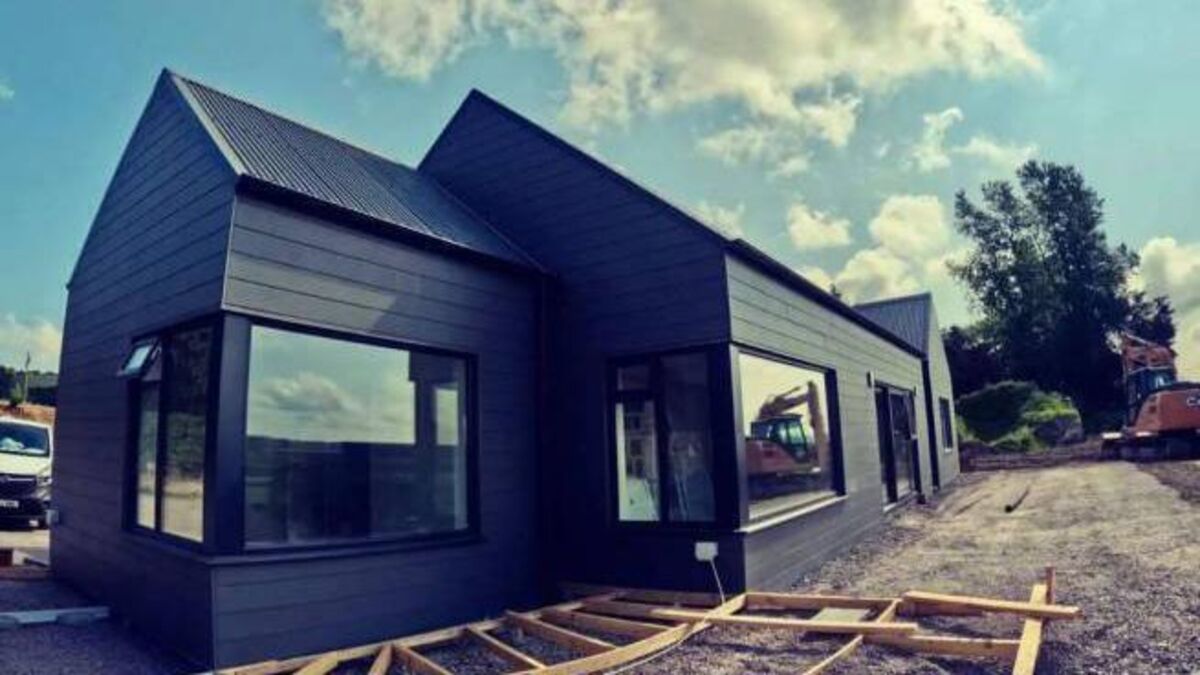
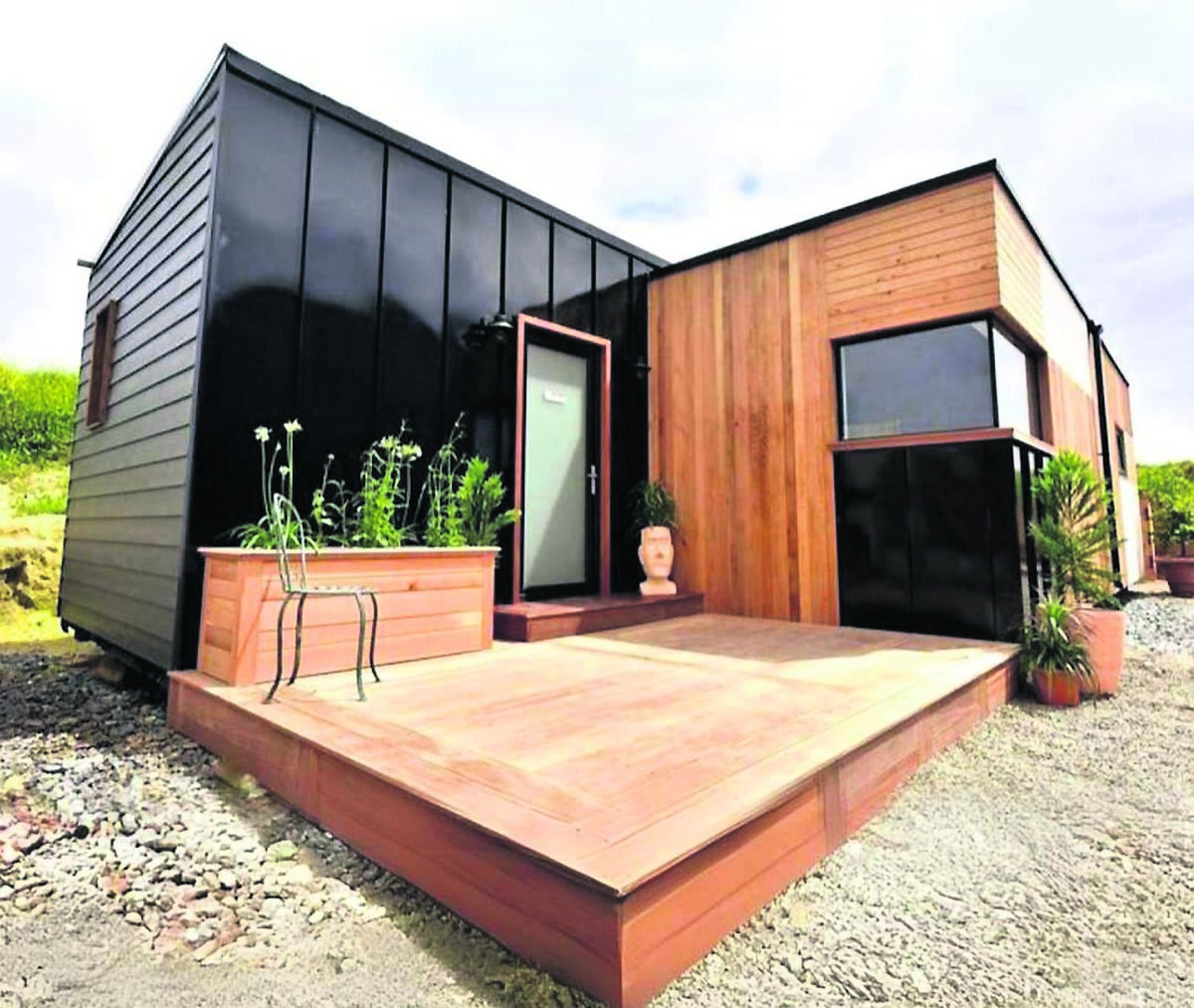
JP Simpson, of Big Man Tiny Homes in Bandon, believes modular homes are one of the ways forward to solving our housing shortage.
Established in 2018, the business has 10 full time members of staff and a list of sub-contractors on hand.
JP, who is a building works contractor, has worked in disaster relief in places like Haiti, providing essential modular buildings such as hospitals and schools quickly and efficiently.
The business is doing seven times the work now that when it started six years ago, and most of that increase has been within the last two years, as people are learning about the benefits of these homes.
However, he believes much of the process could be improved. So, how do you go about obtaining a modular home?
JP says the first thing to do is to get a feasibility test done, in order to find out whether planning will be most likely granted.
Once the client has chosen their preferred design, then the planning process starts, this is where things can get drawn out.
For example, are you local, within 7km of the site? If not, you need not apply. The rule is there to stop investors coming into an area and pricing the locals out of the market.
This thinking is fair enough, but in other places, like Nantucket in Massachusetts for instance, they have a 10% tax added if you are not from the area. This tax is then put towards local authority housing.
Solar panels on a modular home built by Big Man Tiny Homes in Bandon.
Other questions to ask before you plump for a modular home: Do you have 90 metres of clear visibility both left and right of the entrance? Will you be able to fit a septic tank? Might it be an area of conservation?
The building part is actually the quickest bit. It can take just one day to erect the shell of the two-bedroom house with foundations, doors and window, all ready for the contractors to move in and finish the work.
Two or three days will see the completion of a three- or four-bedroom home.
The homes can go to six storeys high if needed, and all are A-energy rated. There is a 75-year guarantee with the structural insulated panels (SIPs) - a high performance, environment-friendly building system for residential and light commercial construction.
These homes are built for use in countries like Norway and Finland, and are well able to deal with Irish weather.
As for a mortgage? A bank will provide one for a modular home if it is being constructed on site. which these ones are. The panels are shipped here and brought to the site for assembly.
What about the costs?
On average, it works out at €1,000 per square metre, which includes triple-glazed windows and doors and insulation - and if you build a one- or two-bed home, you can always add on more as you need them, or as the finances will allow.
Can they be constructed to suit someone with additional needs, perhaps a wheelchair?
“Yes,” says JP, “our clients can have whatever they need, we will design it with them.”
What about heating costs?
On average a two-bedroom modular home will cost €200 per annum to heat, as the insulated panels are air-tight.
Customers do not need a specialist contractor, as installing the electrics and plumbing, septic tank and water supply are the same as for any home, be that timber or block.
At present, you can erect a modular home in your back garden, up to 25 square metres, however, you can’t live in it.
If the planning policy was changed, a one-bed home could be built in a back garden to accommodate someone who can’t afford to move out of the family home. This would be constructed in a day at a fraction of the cost of a regular one-bed house.
It’s argued that such a change in planning policy would considerably help to relieve the housing crisis.
There are no grants available to those wanting to build a modular home, even though JP points out: “This home would be carbon-free and energy-efficient, in fact, you would be in carbon credit.”
Most of his clients are currently private customers, but JP adds: “Hopefully, the council, government and local housing authorities will look at working with us to help solve the housing crisis.”








 App?
App?


