Cork author’s take on Croke Park gun horror
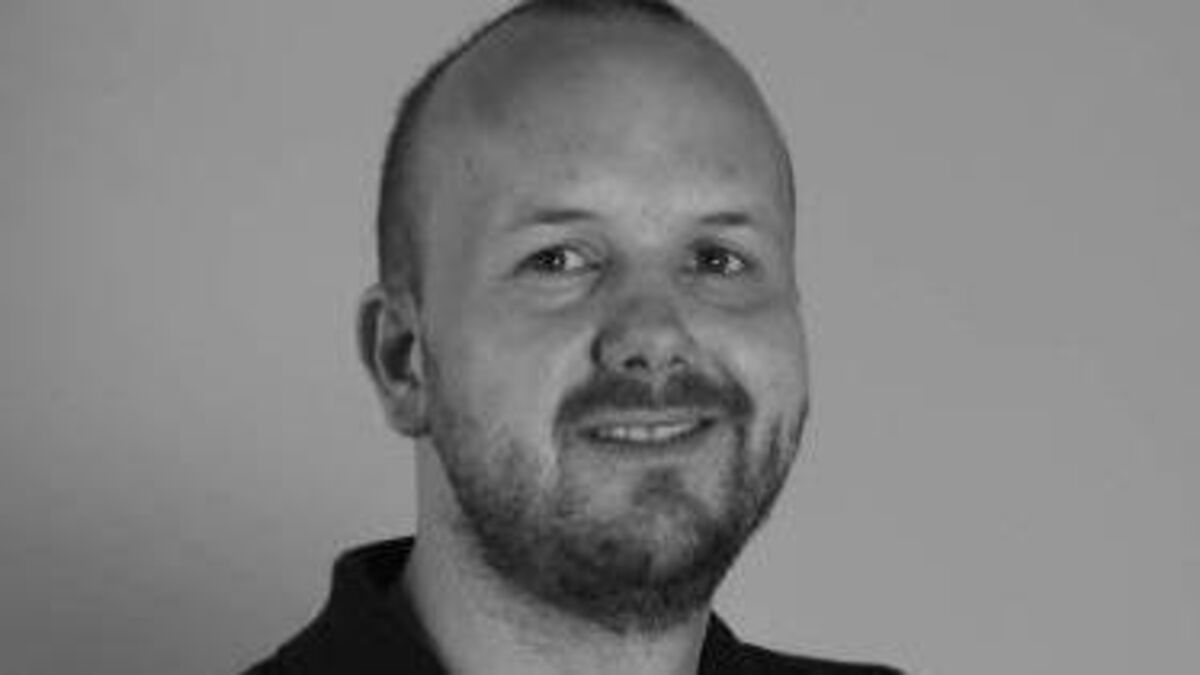
Author Michael Foley has written a book titled
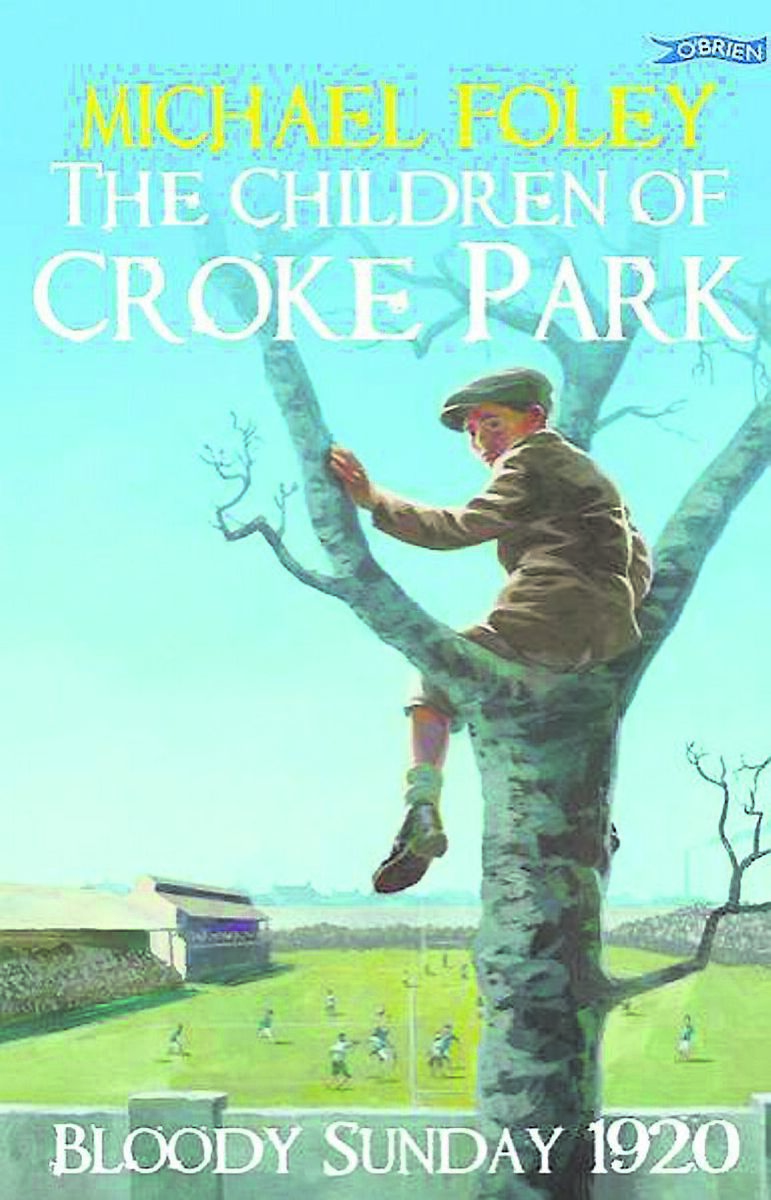
The Children Of Croke Park, by Michael Foley (O’Brien Press €9.99)
“IT was an airplane. An airplane flying over Croke Park! And then it let off a red flare. The crowd cheered… It was so low I could nearly see the pilot inside the plane…
“The next thing, I heard this sound behind me. At first, I thought it was trucks rolling over the bridge outside. But even above the noise of the crowd below me, I could hear men shouting. They sounded angry.
“I looked back and saw a line of trucks. A load of men with guns were jumping out and running towards the field. That’s when it happened…”
William (Perry) Robinson, aged 11, had climbed a tree at the canal end to get a better view of the challenge match between Dublin and Tipperary on November 21, 1920.
He was the first person to be shot on what became known as Bloody Sunday, when in retribution for the killing in Dublin of 15 British intelligence officers by Michael Collins’ IRA ‘Squad’, 14 people were killed when members of the RIC, Auxiliaries, and Black and Tans opened fire on the crowd and players.
William was one of three children fatally injured that day and with news of the shooting yet to reach his family, he was taken by strangers in a cab to Drumcondra Hospital, where he later died of his injuries.

His story, though it is the only one in The Children Of Croke Park to be narrated in the first person, is continued even beyond his death.
“They buried me on the Friday in Glasnevin Cemetery. My grave is in a quiet part of the cemetery, across from the main bit where they buried all the famous people.
"Sure, you can imagine. I was only a boy. The sadness was desperate.”
John William (Billy) Scott, aged 14, also had to rely on the kindness of strangers after being shot in the chest and carried into a nearby house for shelter.
“He was in terrible pain, the woman told his da. They put him on a table and the lady and her daughter knelt and said some prayers. He needed water, but no-one could go to the tap outside, because the bullets were still flying and the police were raiding houses and pulling people out everywhere…
“He held on for 45 minutes, moaning and gasping for air. Then he died.”
Billy’s father, who struggled to comprehend the reality of his son’s death, was handed Billy’s glasses and tiepin. “And that was it. He knew Billy was gone.”
Billy’s story is told partly by Charlie Daly, the childhood friend with whom he had attended the match, in the form of an imagined 1982 interview reflecting on the impact of Bloody Sunday on families and survivors.
Throughout a sometimes bewildering array of criss-crossing first- and third-person narratives, however, it is the story of Jerome (Jerry) O’Leary, aged 10, which resonates loudest.
The everyday details of his family life, bickering with his big sister Mary, being fussed over by his mother, and discussing the impending match with his father, paint a fuller picture of his background than the characterisations of the two other boys who lost their lives.
His father, a Corkman also named Jerome, is summoned to his place of work at Dublin Castle on the day of the killings, preventing him from being at the game with his son. This, and Billy Scott’s English heritage, his grandfather having been an army sergeant and veteran of the Anglo-Zulu war, help provide some insight into the complexity of backgrounds and loyalties of those caught up in the events of the War of Independence.
Jerry, along with Billy Scott and six of the adults killed on Bloody Sunday, remained buried in unmarked plots for nearly a century until the erection of headstones during the GAA’s Bloody Sunday Graves Project.
Intrinsic to that project was the research done by Killavullen native Michael Foley, author of The Bloodied Field, published in 2014 by the O’Brien Press, and now of The Children of Croke Park.
Deputy sports editor of the Sunday Times Irish edition, Foley’s work over the course of more than a decade helped inform the tracing of victims’ relatives, the marking of graves, and the process of recognition and healing.
Foley, now living in Macroom, has told the story of Bloody Sunday in podcast form, in an updated version of The Bloodied Field, and has played his own part in its continuing history. His latest work now brings the story of the three children who lost their lives due to the events in Croke Park to a new generation of young people, more than a century later.

App?