TV show puts a spotlight on 17 significant Irish country gardens
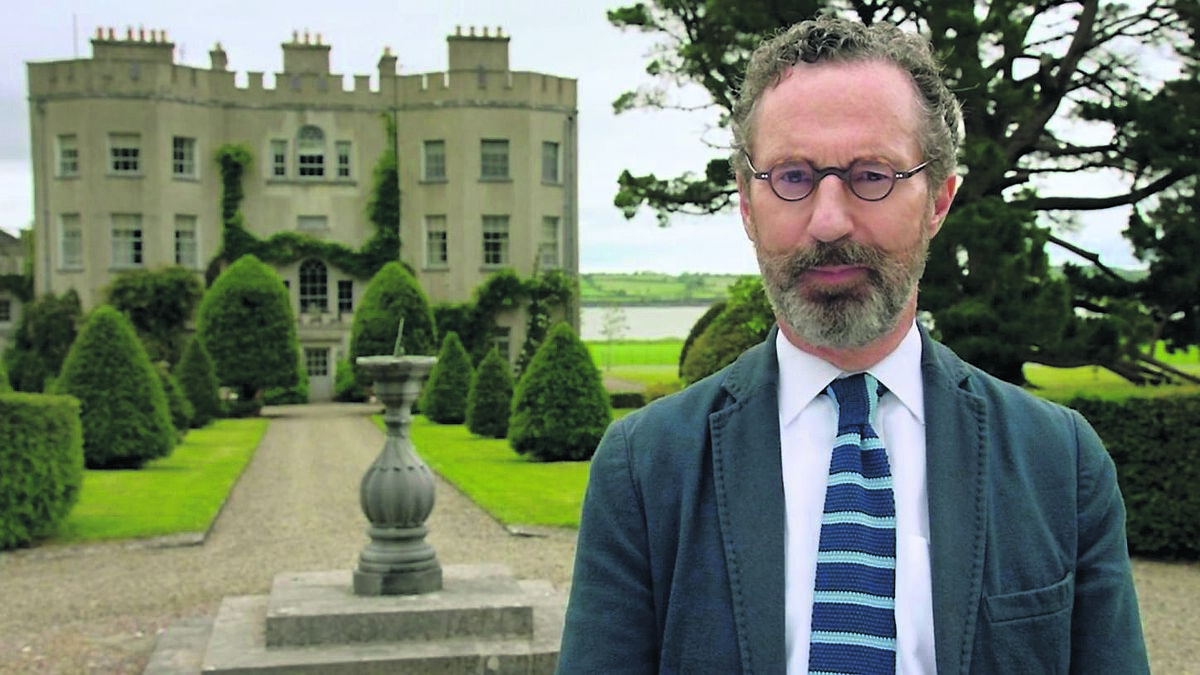
That is just one of the nuggets of fascinating information contained in two-part documentary Ireland’s Historic Gardens, which starts on RTÉ1 tomorrow (Sunday, September 25) at 6.30pm.
Written and presented by author and historian Robert O’Byrne, it examines the history of Ireland’s country house gardens over the last 400 years, during which time garden design has reflected political and social changes taking place within the country.
It’s a story that begins at Lismore Castle, which has the oldest continuously cultivated garden in Ireland – before this, what we recognise as gardens could only be found in friaries, monasteries and convents, all of which were closed down or destroyed during the Dissolution of the Monasteries, started by King Henry VIII in the mid-16th century.
Fashions in garden design changed from Italian Renaissance style (Portumna Castle), to the rigid formality of the Baroque era, exemplified by straight lines and symmetry (Kilruddery, and the Royal Hospital, Kilmainham). This in turn gave way to sweeping Arcadian landscapes (Ballyfin), totally man-made, but designed to look natural.
In the 19th century, garden design moved back once more to formality and structure (Abbeyleix and Powerscourt) until, inevitably, a wilder, informal aesthetic became, and remains, popular (Mount Usher and Dereen).
The story of Ireland’s country house gardens is also the story of the men and women who commissioned, designed, and maintained them, including the Earl of Charlemont, generations of the Acton family, and William Robinson.
In the first programme, O’Byrne, author of more than a dozen books, visits Muckross Abbey in Co Kerry, Lismore Castle in Co Waterford, Portumna Castle in Co Galway; and the National Botanic Gardens in Dublin.
The former vice-president of the Irish Georgian Society also introduces viewers to Kilruddery in Co Wicklow, and Dublin’s Royal Hospital in Kilmainham, as well as the Casino at Marino.







 App?
App?


