Germany increases pressure on Russia in Navalny poisoning probe
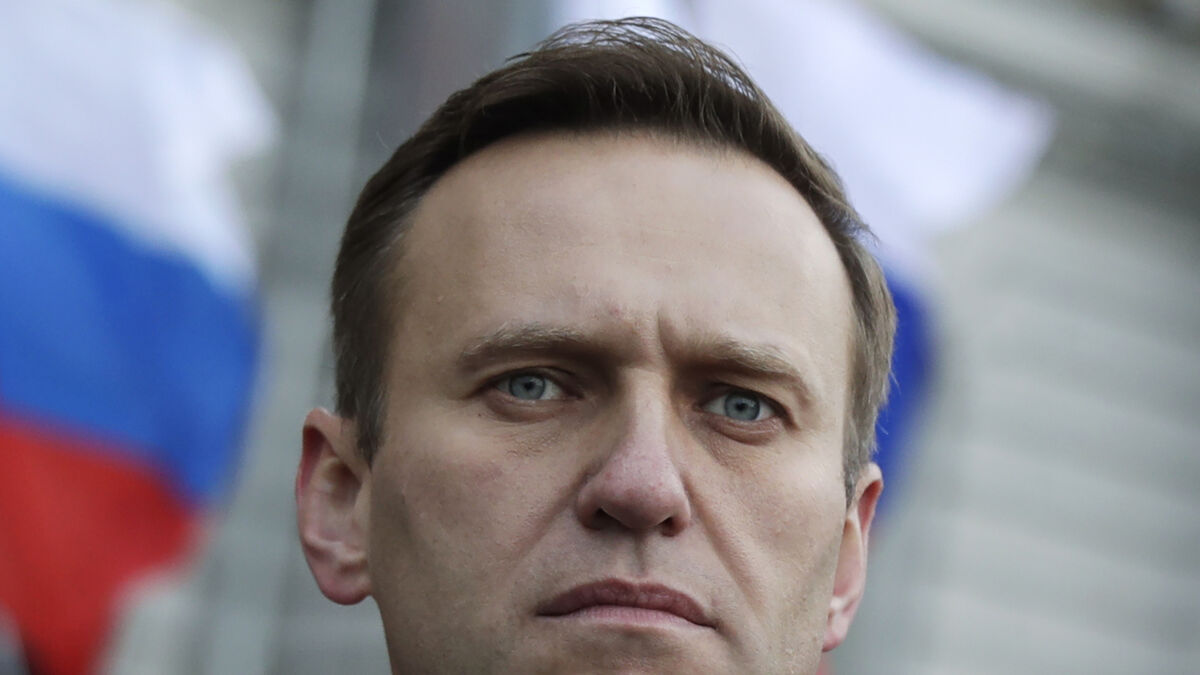
Germany has stepped up the pressure on Russia over the poisoning of opposition politician Alexei Navalny, warning that a lack of support by Moscow in the investigation could “force” Germany to rethink the fate of a German-Russian gas pipeline project.
Foreign Minister Heiko Maas told weekly newspaper Bild am Sonntag: “I hope the Russians won’t force us to change our position regarding the Nord Stream 2″ pipeline being built under the Baltic Sea.
Mr Maas also said that “if there won’t be any contributions from the Russian side regarding the investigation in the coming days, we will have to consult with our partners”.
He did not exclude possible punishments against Russia, telling the paper that “if we think about sanctions, they should be pinpointed effectively”.

However, Mr Maas also admitted that halting the building of the nearly completed gas pipeline would harm German and European companies.
“Whoever demands this has to be aware of the consequences,” he said. “More than 100 companies from 12 European countries are involved (in the construction), about half of them from Germany.”
The German government has come under growing pressure to use the joint German-Russian pipeline project as leverage in getting Russia to provide answers on Mr Navalny.
The Nord Stream 2 project would deliver Russian gas directly to Germany under the Baltic Sea when completed, bypassing Ukraine.
Mr Navalny, a Kremlin critic and corruption investigator, fell ill on a flight to Moscow last month and was taken to a hospital in the Siberian city of Omsk. He has been in an induced coma in a Berlin hospital since he was flown to Germany for treatment on August 22.

German authorities have said that tests showed he had been poisoned with a chemical nerve agent from the Novichok group.
British authorities previously identified the nerve agent, developed during the Soviet era, as the poison used on former Russian spy Sergei Skripal and his daughter in Salisbury, Wiltshire, in 2018.
Mr Maas said: “We have high expectations from the Russians to bring light into this severe crime. If they have nothing to do with this attack then it’s in their own interest to put the facts on the table.”
President Vladimir Putin’s spokesman has brushed off allegations that the Kremlin was involved in poisoning Mr Navalny and said last week that Germany had not provided Moscow with any evidence about the politician’s condition.

German Chancellor Angela Merkel said Mr Navalny’s poisoning was an attempted murder that aimed to silence one of Mr Putin’s fiercest critics, and called for a full investigation.
Mrs Merkel personally offered the country’s assistance in treating Mr Navalny.
He is now in a stable condition at Berlin’s Charite hospital, but doctors expect a long recovery and have not ruled out that the 44-year-old could face long-term effects to his health.
Mrs Merkel has previously rejected the idea that the Navalny case should be linked to the Nord Stream 2 gas pipeline.
The US has long opposed the project, which has been increasingly a source of friction between Berlin and Washington.
In early August, three Republican senators threatened sanctions against an operator of a Baltic Sea port located in Mrs Merkel’s parliamentary constituency over its part in Nord Stream 2. The Mukran port is a key staging post for ships involved in its construction.
The US argues that the project will endanger European security by making Germany overly dependent on Russian gas. It is also opposed by the Ukraine and Poland, which will be bypassed by the pipeline under the Baltic, as well as some other European nations.
In addition to the security concerns, the US also wants to sell more of its own liquefied natural gas, or LNG, to Europe.






 App?
App?